 3 – 4 hours
Game Drives
Wildlife
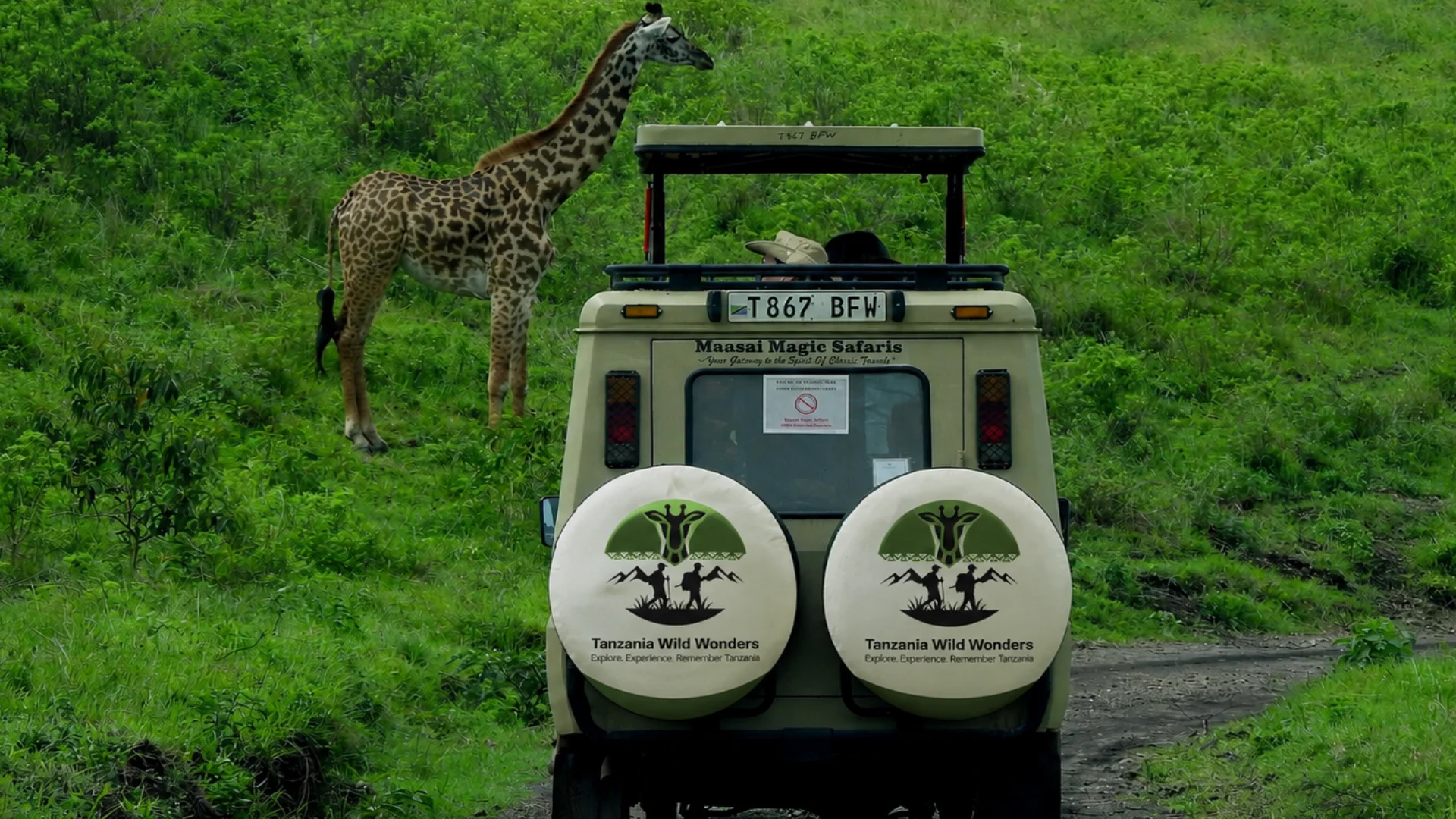
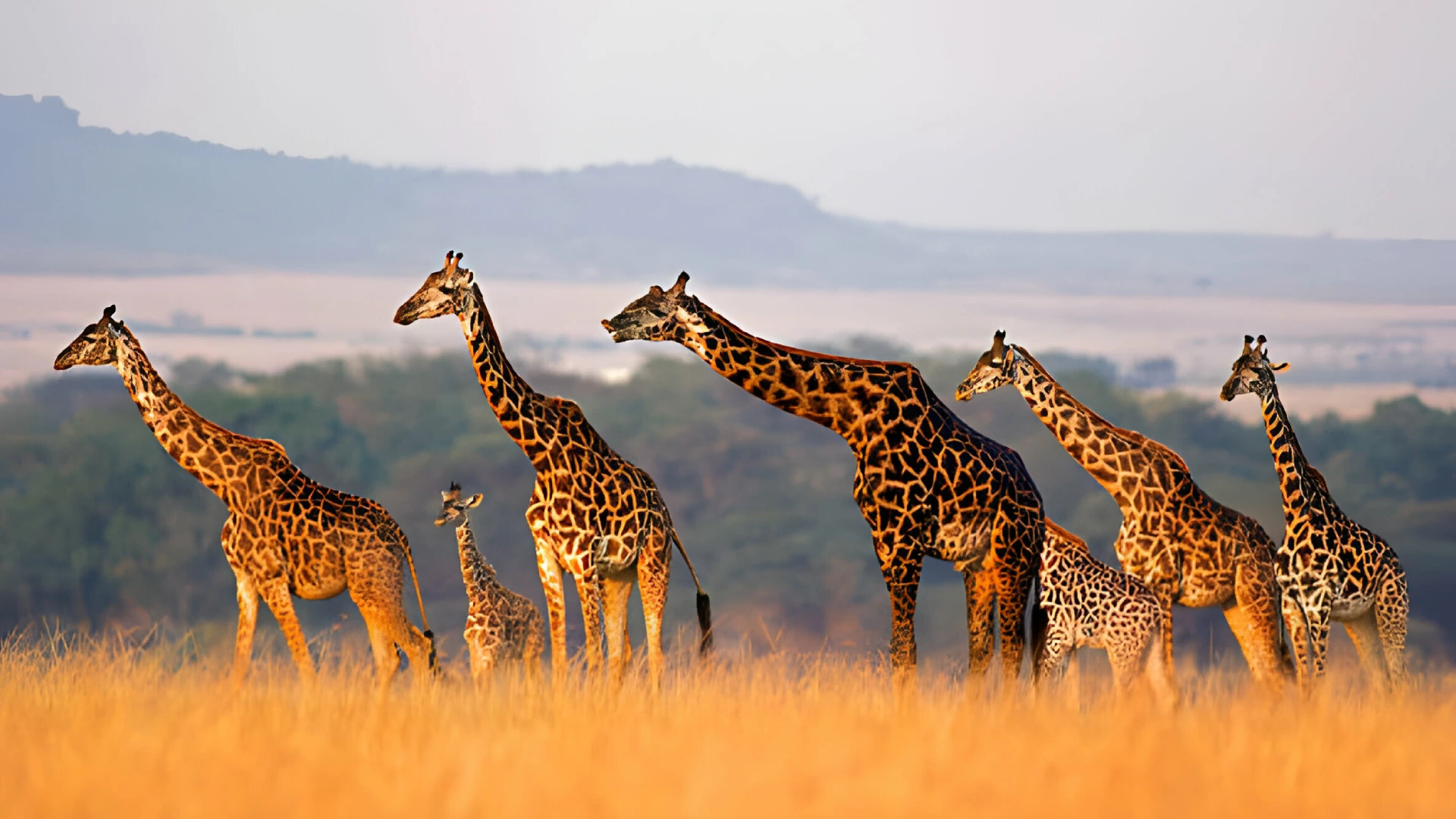
Explore forest, woodland and lake shore with an expert driver-guide, looking for elephants, buffalo, giraffe, baboons and, with luck, tree-climbing lions.
Ask about this
Home to tree-climbing lions and some of Tanzania’s most varied scenery in one compact park. Explore groundwater forest, a shimmering soda lake and the towering Rift Valley escarpment that gives Manyara its dramatic setting.
From the forested foot of the Rift Valley escarpment to the shores of the soda lake, Lake Manyara is a world of mahogany and fig forest, golden acacia woodland and some of northern Tanzania’s most scenic wildlife viewing.
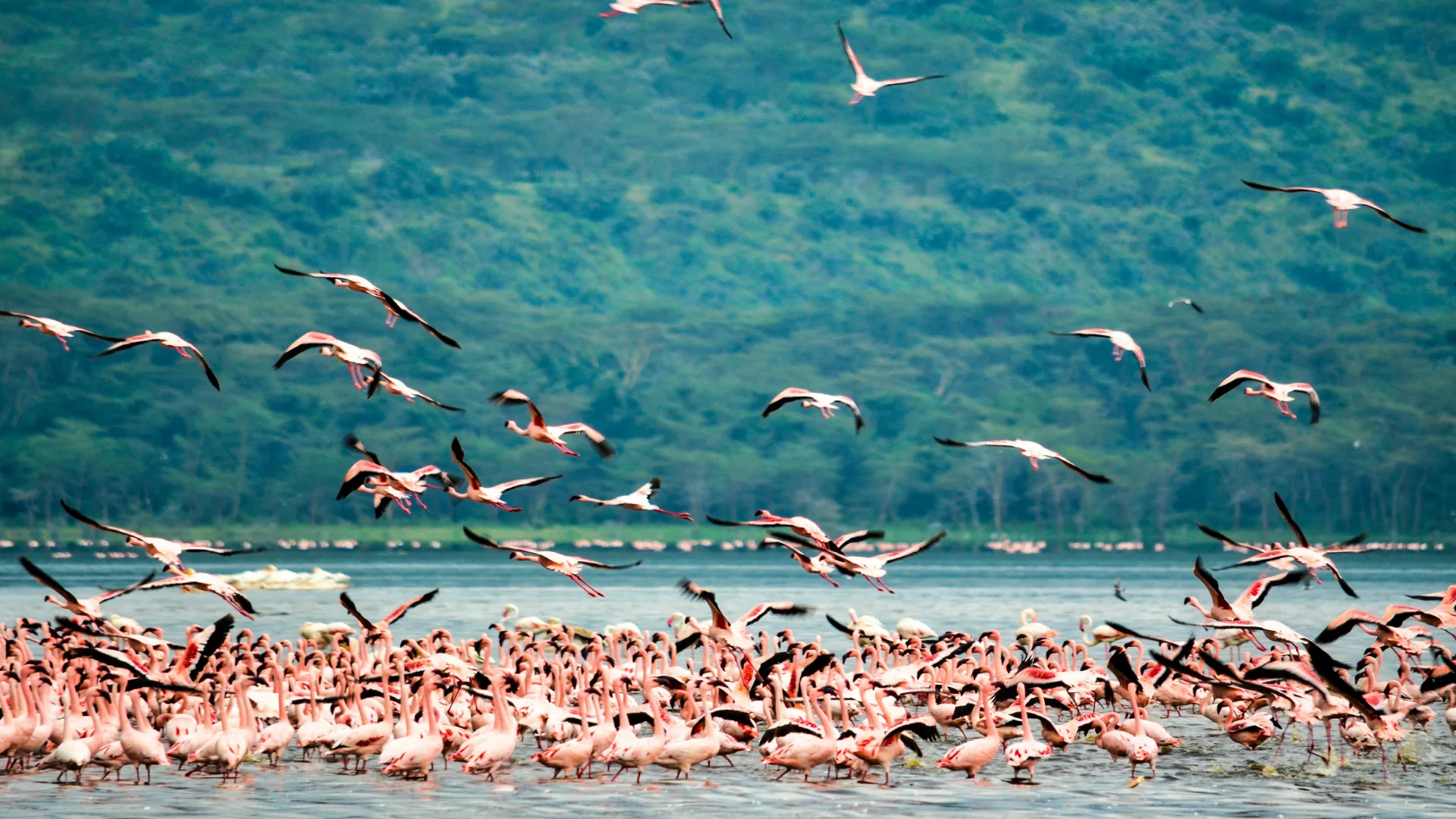
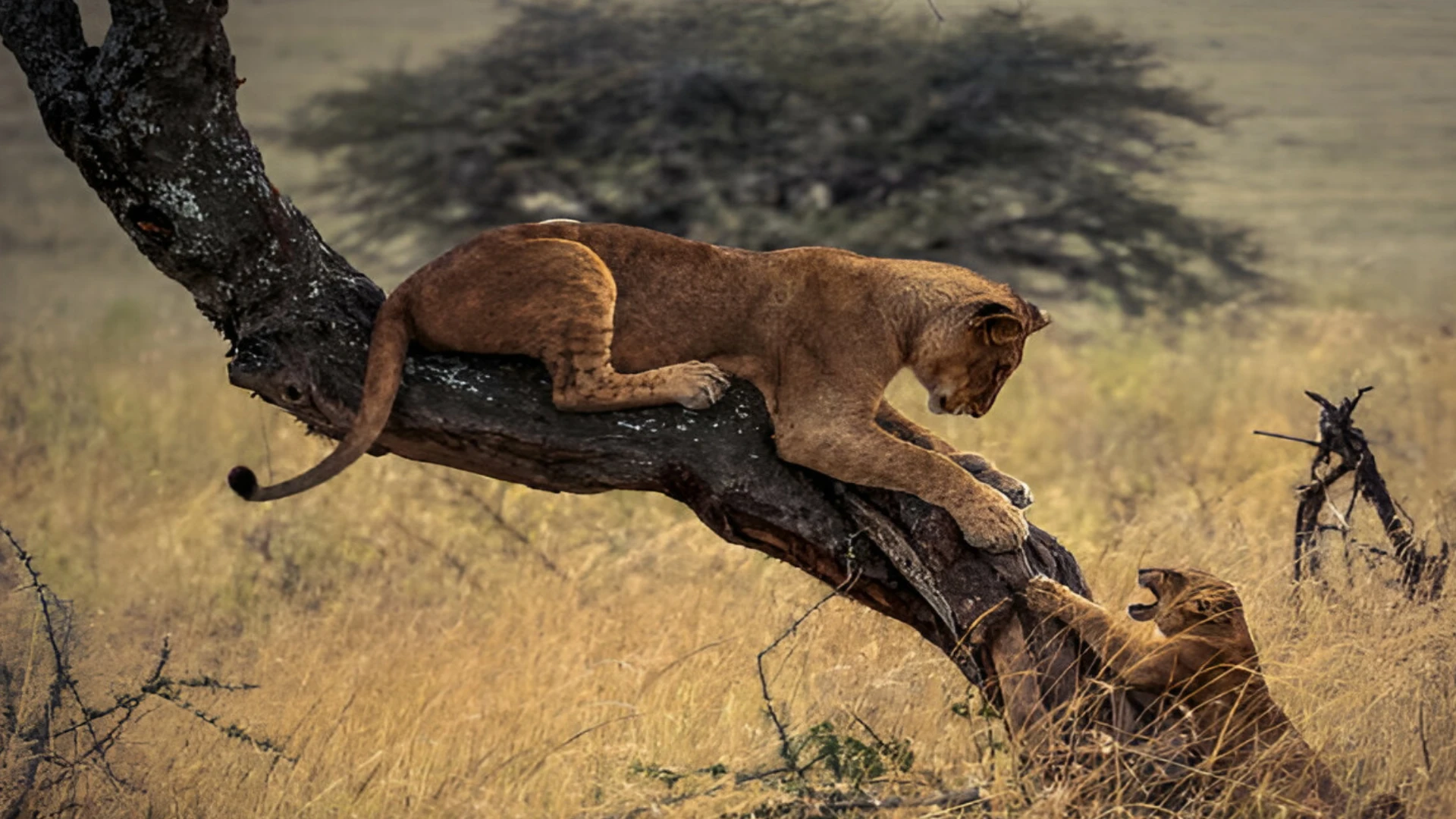
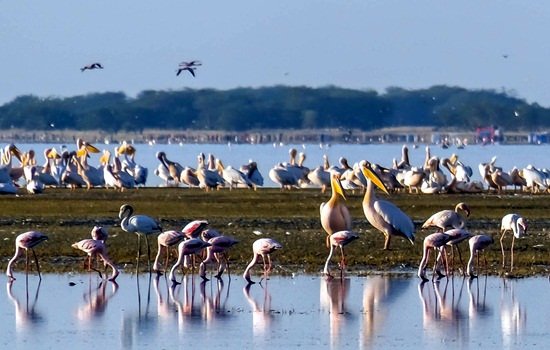
The name Manyara comes from the Maasai word emanyara, a plant traditionally used to fence homesteads, and the park has the same tucked-away feel. Established as a national park in 1960 and recognised as a UNESCO Biosphere Reserve in 1981, it lies beneath the wall of the Great Rift Valley. A shimmering alkaline lake, groundwater forest, acacia woodland and open floodplain all sit within one compact park.Within a few hours you can move from mahogany and fig forest, where baboons and blue monkeys gather and elephants feed in the shade, to the lake shore. There, hippos wallow and flocks of pelicans, storks and, when conditions allow, flamingos feed. The park is also known for its tree-climbing lions, which are sometimes seen resting in the branches of acacia trees.
From treetop walkways to night drives, choose the experiences that bring this compact park to life.
3 – 4 hoursExplore forest, woodland and lake shore with an expert driver-guide, looking for elephants, buffalo, giraffe, baboons and, with luck, tree-climbing lions.
Ask about this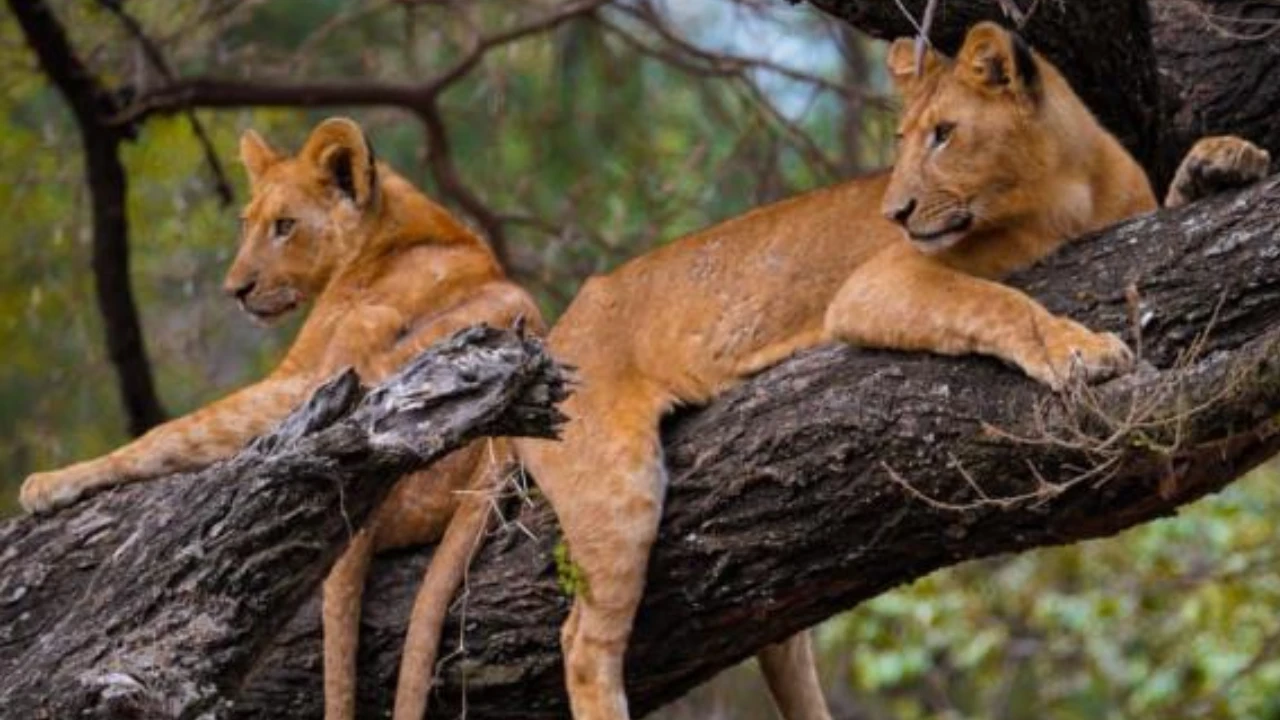 Part of a game drive
Ask your guide to spend extra time in the acacia woodland where lions rest in the branches by day.
Ask about this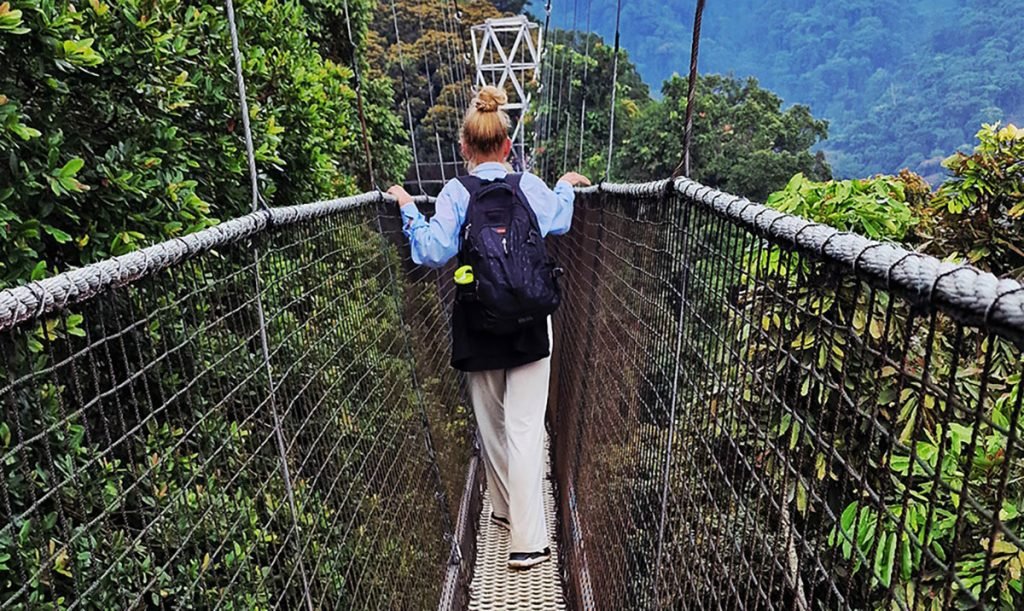 About 1 hour flight
Walk among the treetops on a suspension walkway above the groundwater forest for a monkey’s-eye view of the canopy and its birds.
Ask about this Flexible Year-roundWith more than 400 species recorded, from lake waders to forest specialists, Manyara rewards birders.
Ask about this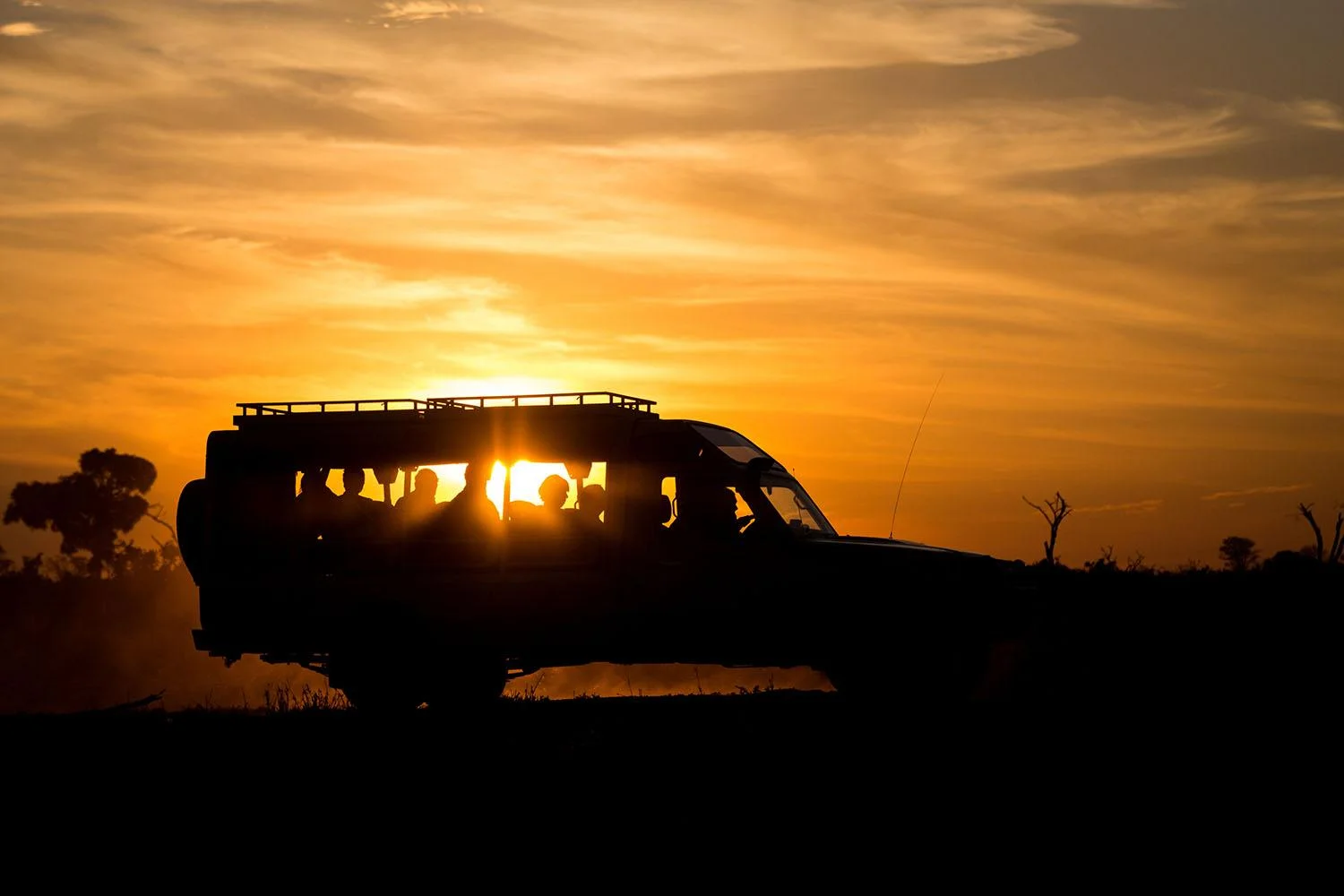 2 – 3 hours
Where arranged, explore after dark with a spotlight to look for nocturnal animals such as genets and civets.
Ask about this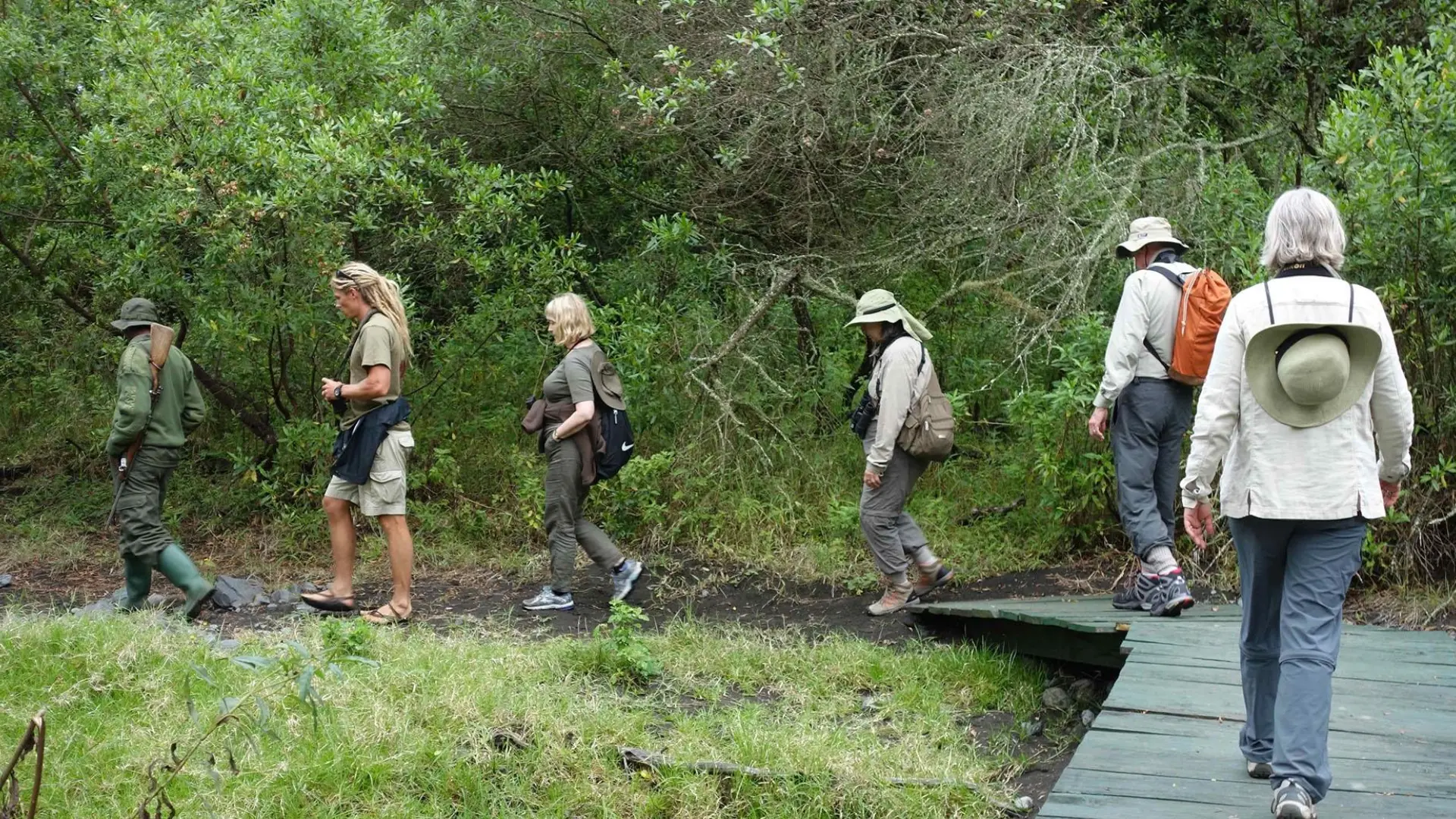 2 – 3 hours
Walk with an armed ranger in permitted areas to follow tracks, learn about plants and notice the smaller wonders.
Ask about this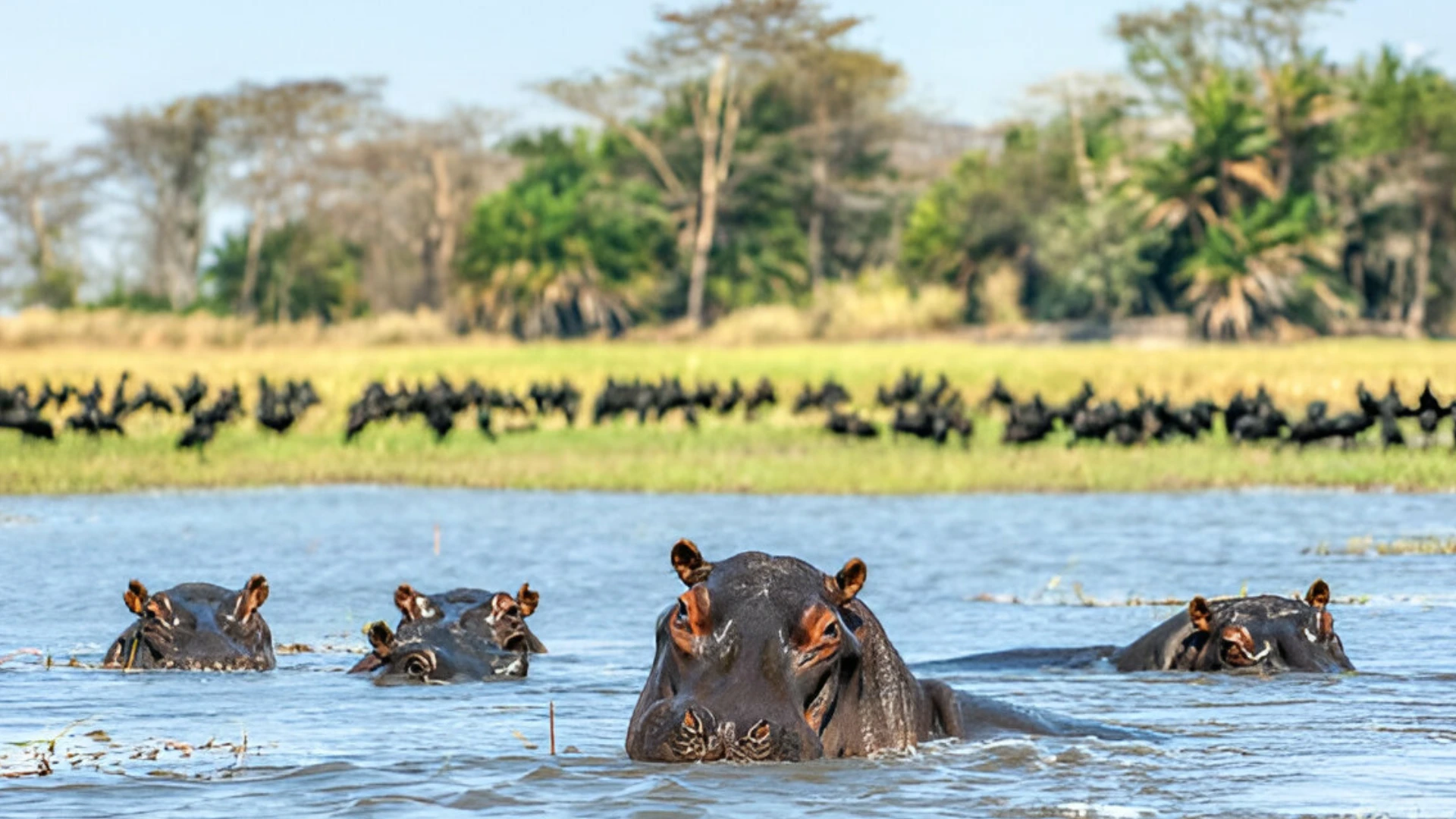 Half day
Combine the warm Maji Moto springs with a stop at the hippo pools, with scenic picnic stops along the way.
Ask about this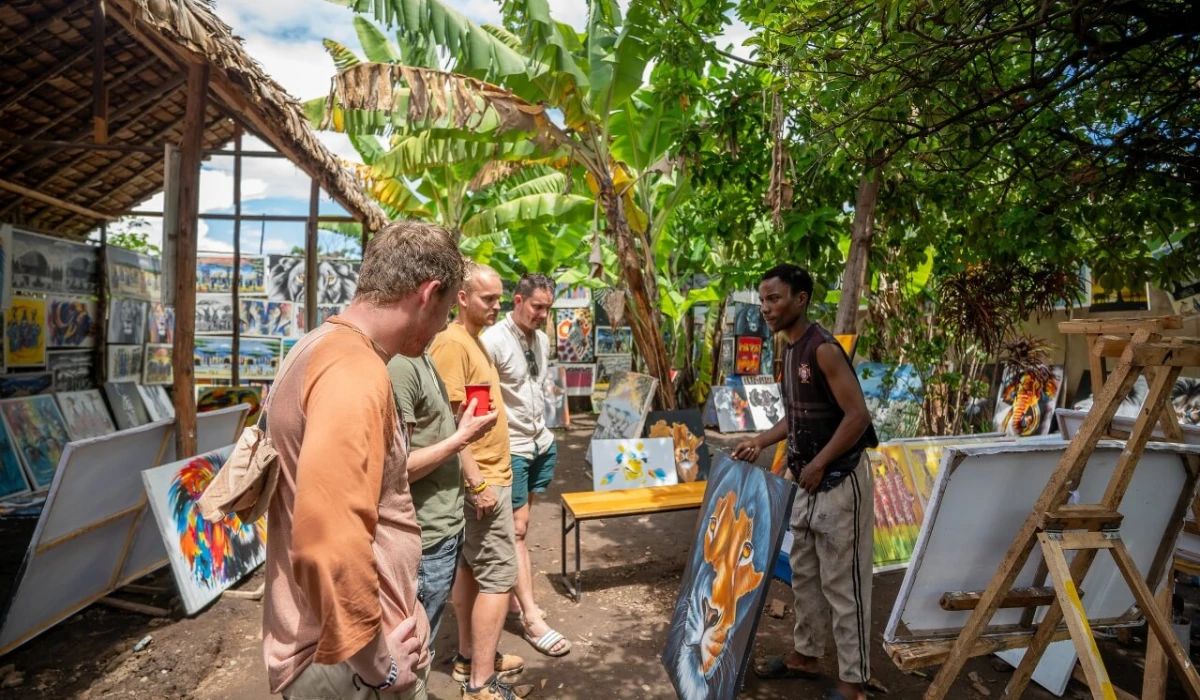 2 – 4 hours
Walk or cycle through the lively village beside the park, meeting local communities and discovering fruit, crafts and daily life
Ask about thisManyara is rewarding all year round. The lake, the forest and the birdlife change with the rains.
Warm, mostly dry weather between the rains, with green scenery and good viewing in the woodland. / Warm & green
Warm & greenHeavy showers refresh the forest and fill the lake. Birdlife is rich, the park is quiet and rates are lower, though some tracks can be wet. / Quiet season
Quiet seasonClear skies and cooler days. Animals gather near water and the forest, making wildlife easier to find.
Peak seasonDry, warm weather continues and wildlife stays concentrated, with fewer visitors than mid-year.
Great viewingBrief showers bring fresh growth and migratory birds, with excellent birdwatching and lovely light.
Birding seasonThe Great Migration follows the rains, not the calendar. Plan around the expected location of the herds and stay flexible.
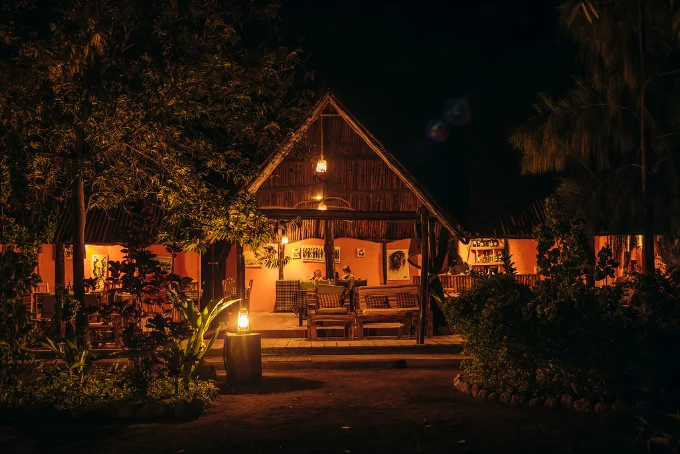
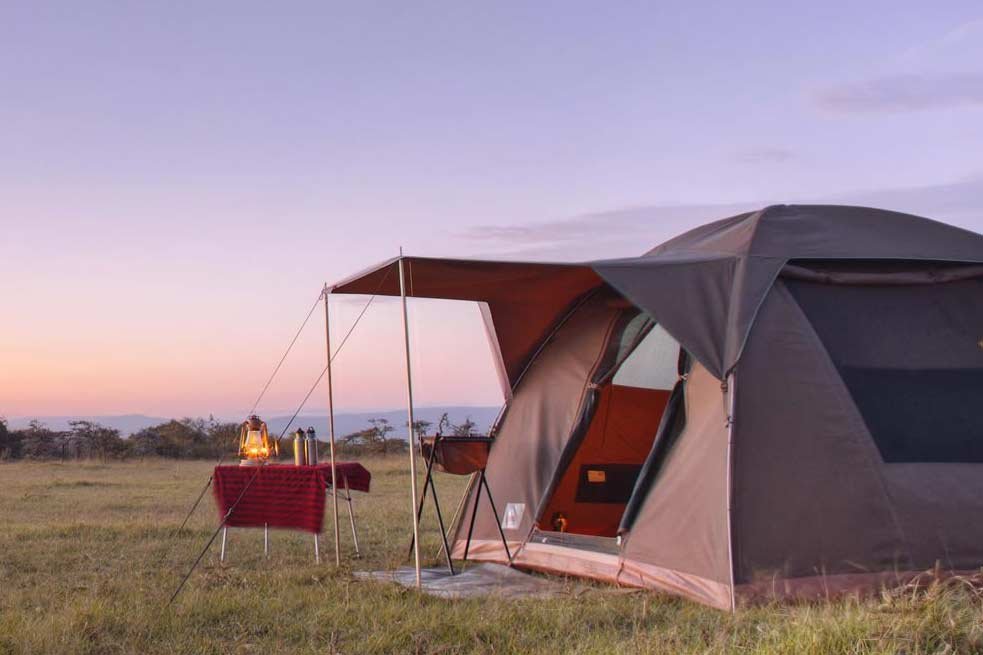
Choose from escarpment lodges, forest-edge camps, campsites and village stays, most only minutes from the gate.
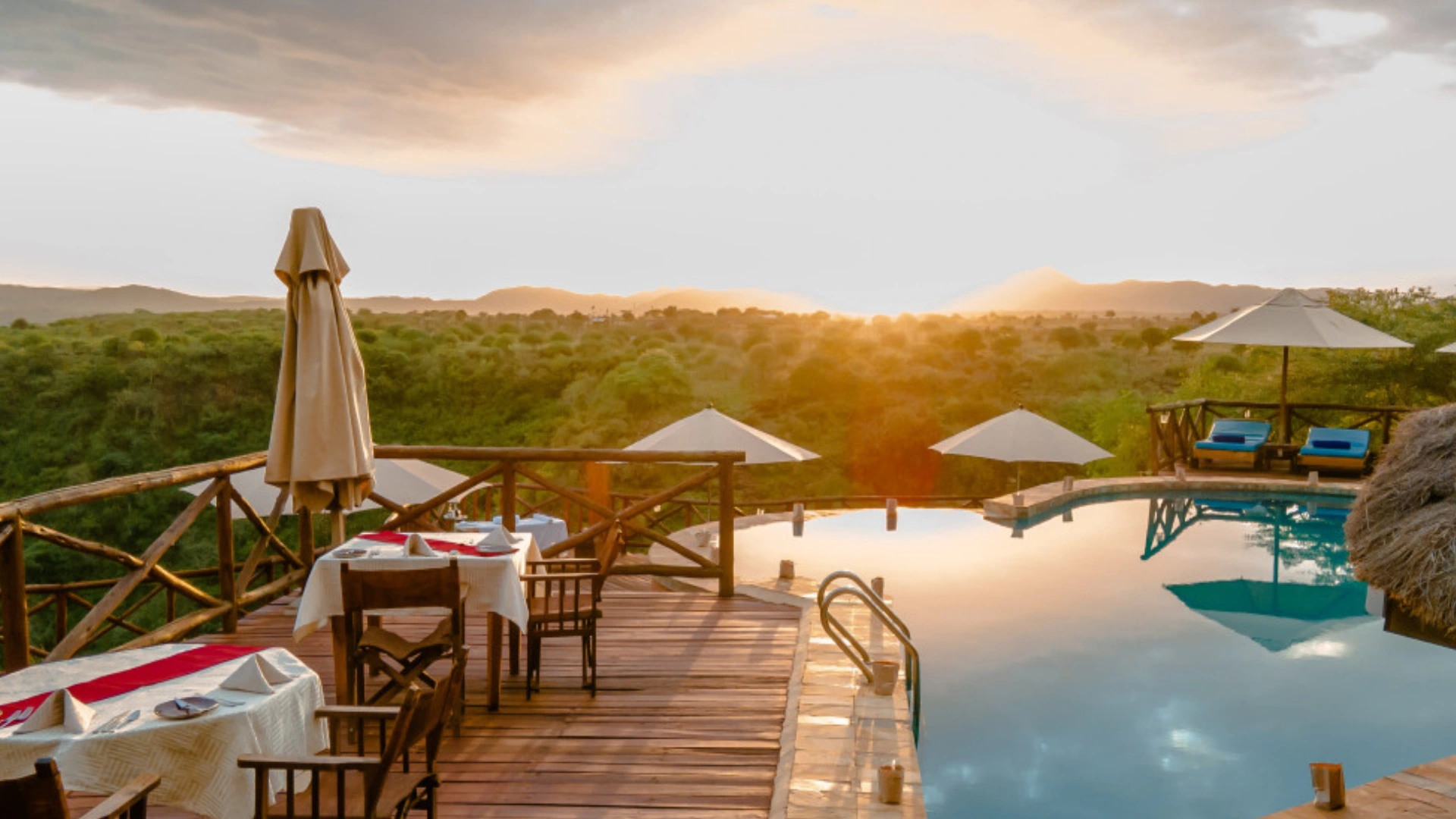 Lake Manyara
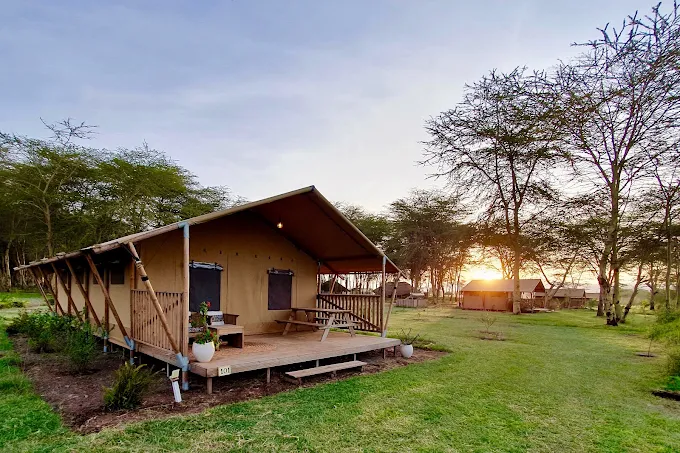 Mto wa Mbu
 Follows the herds
 Seronera area
A few essentials to help you shape the perfect journey.
Northern Tanzania, at the foot of the Great Rift Valley escarpment beside Mto wa Mbu, on the way to Ngorongoro and the Serengeti.
Mto wa Mbu Gate, about 125 km from Arusha.
Drive from Arusha in around two hours, or fly to the nearby airstrip on a scheduled or charter flight.
A half day covers the highlights. A full day or overnight stay allows time for walks, the canopy walkway and a relaxed pace.
Escarpment and forest lodges, tented camps, public and special campsites, and guesthouses in Mto wa Mbu.
Park, camping and vehicle fees are set by the park authority. Confirm current rates before you travel.
Tell us when you want to travel and what inspires you, and we will design your journey.
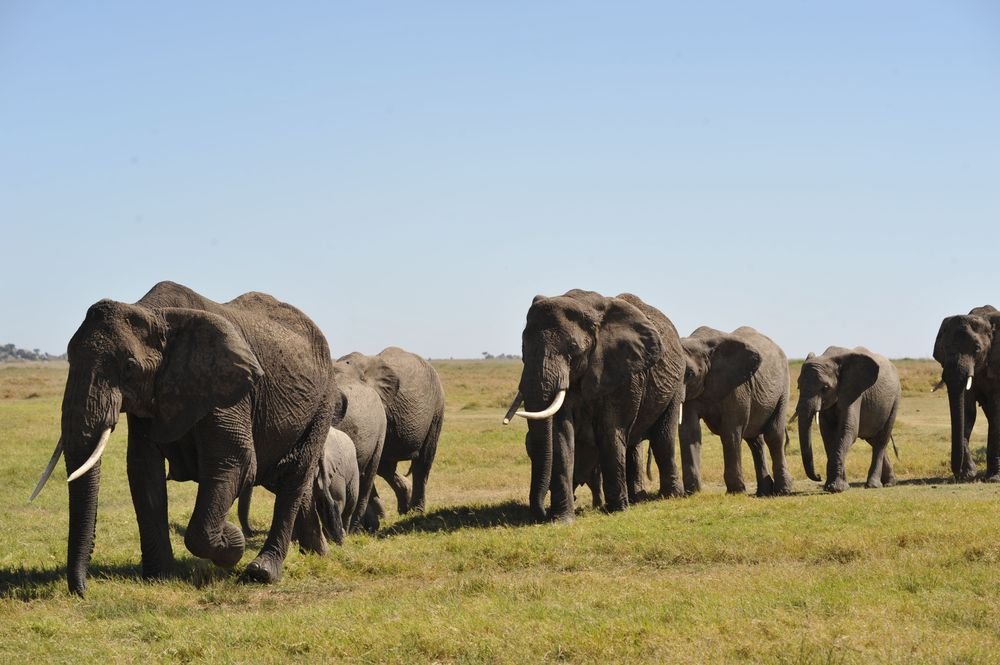
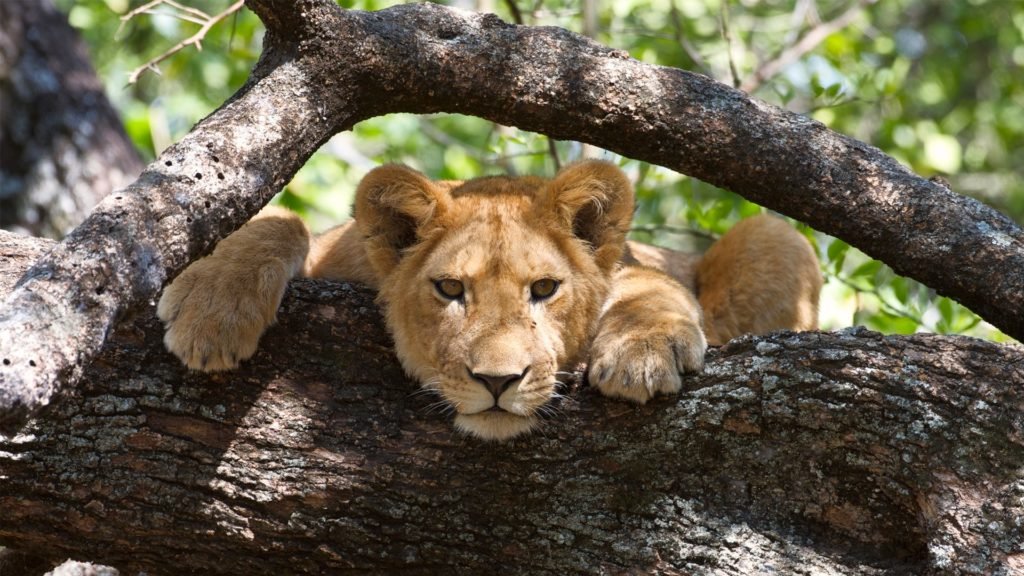
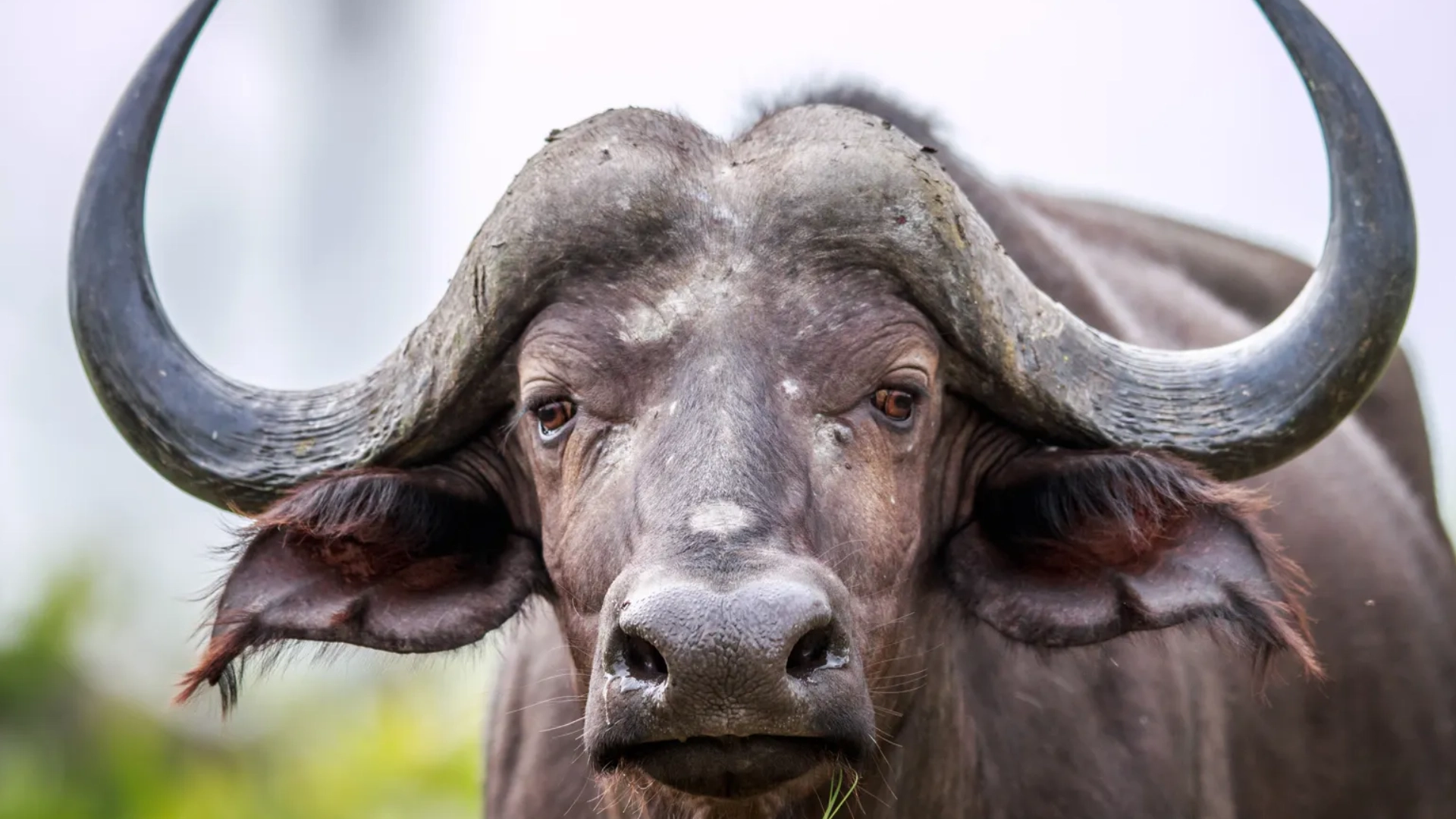
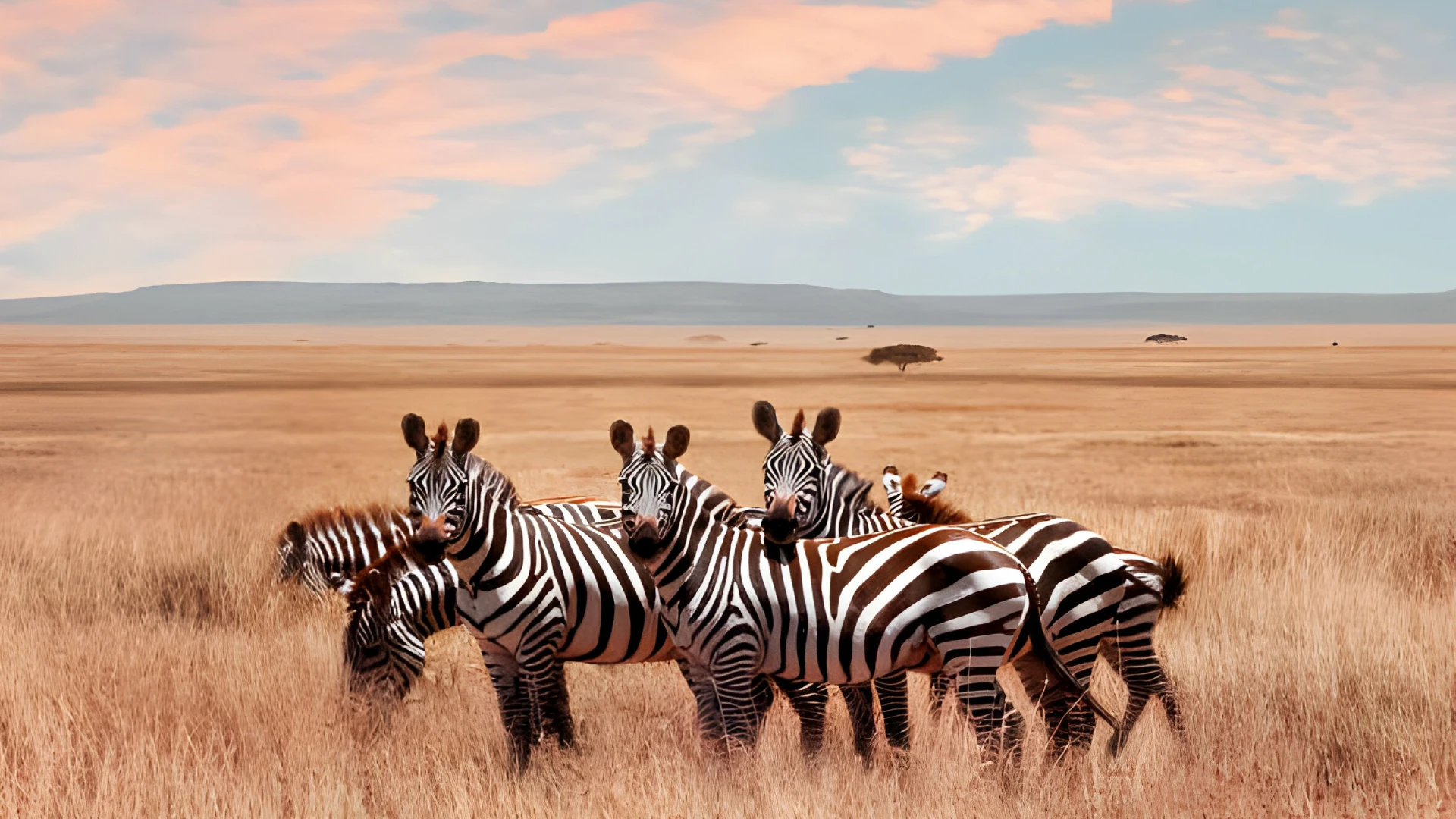
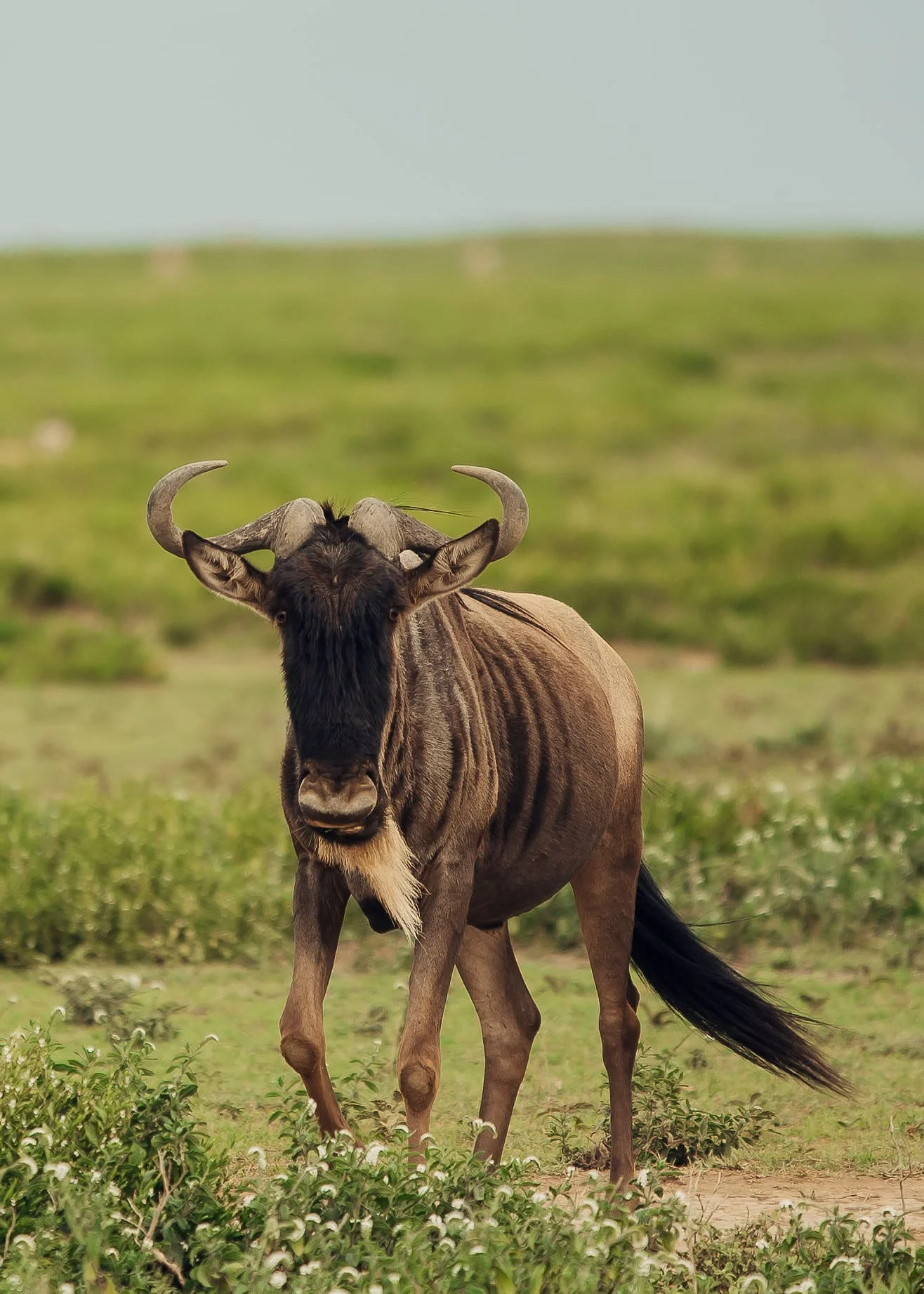
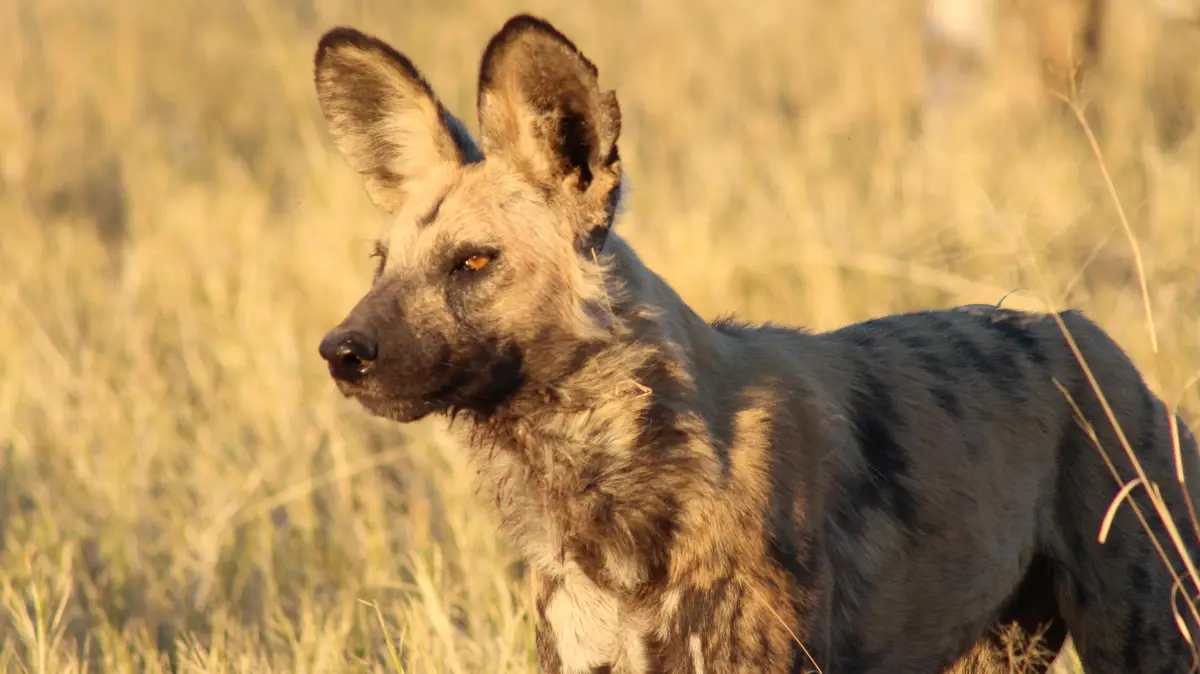
The Serengeti is home to an incredible array of wildlife. Keep your eyes open for these amazing creatures.
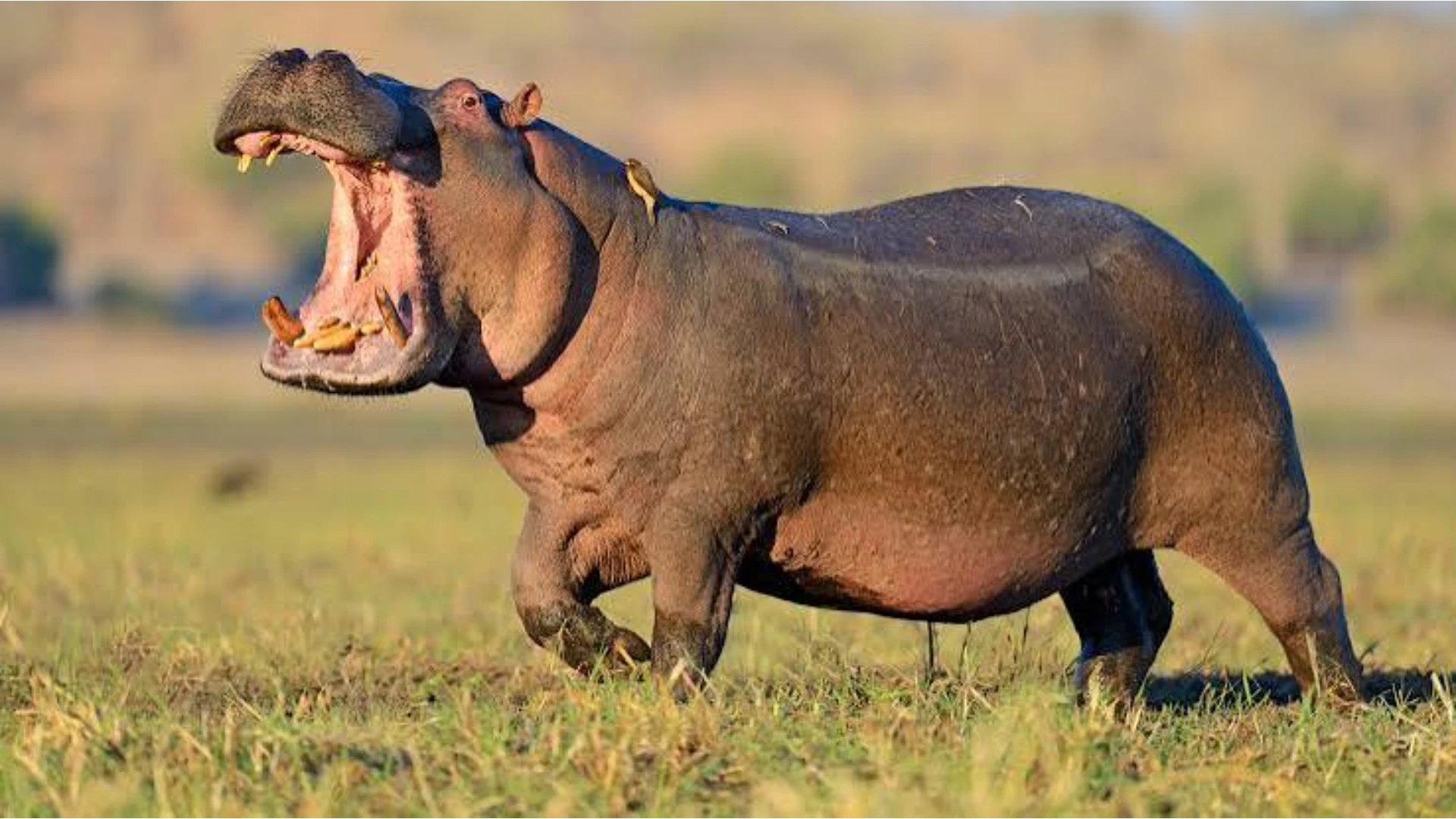
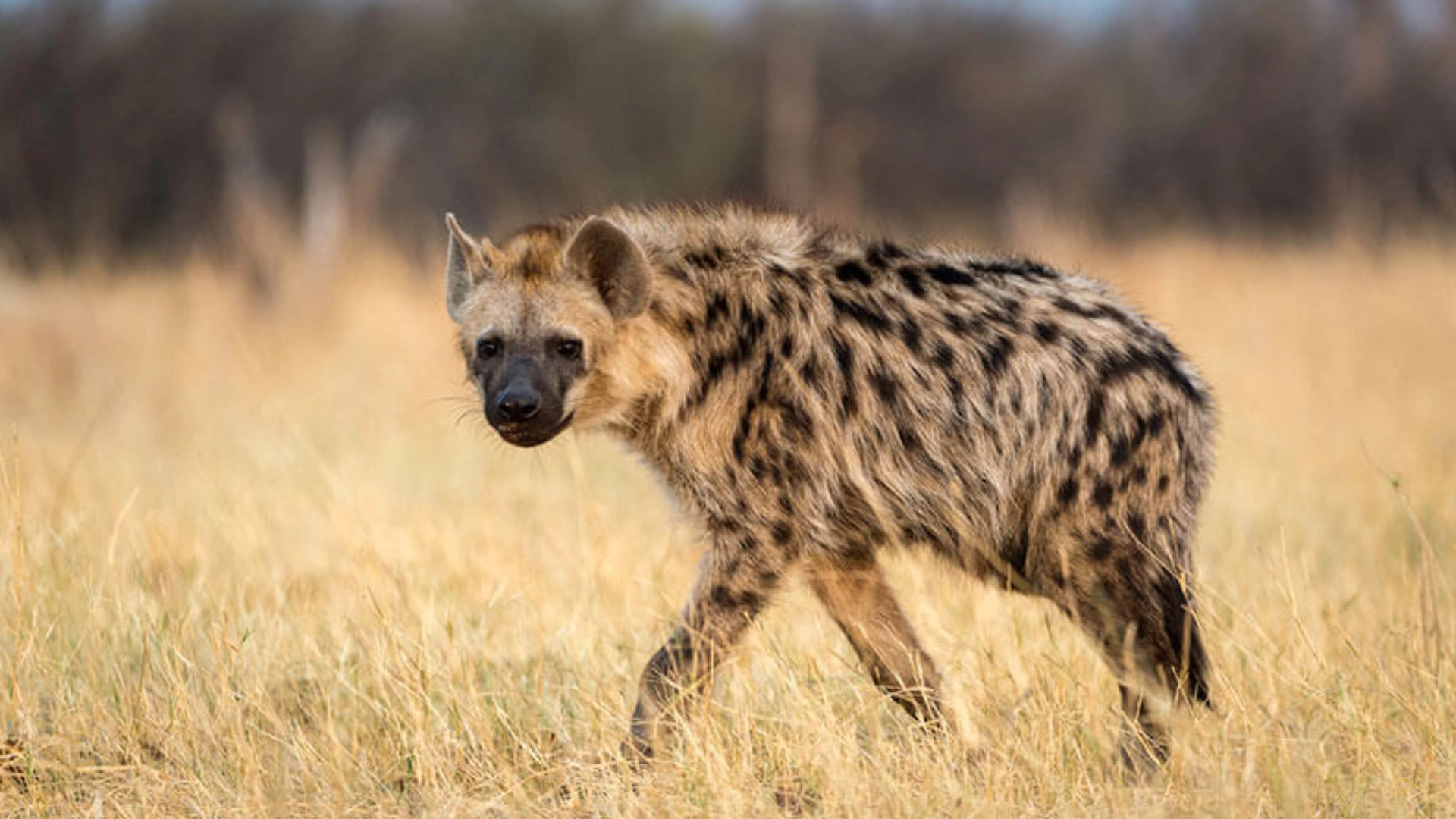
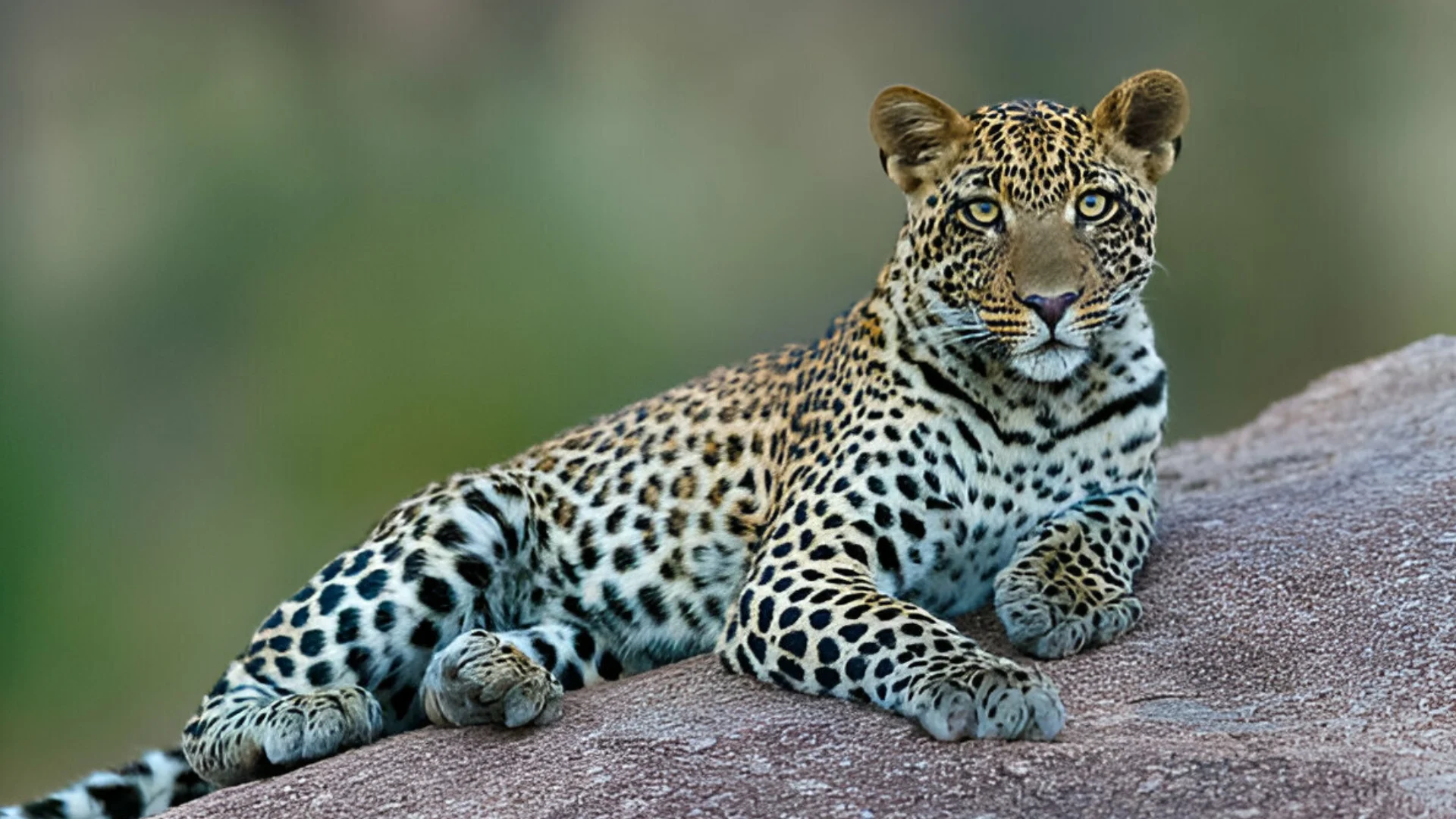
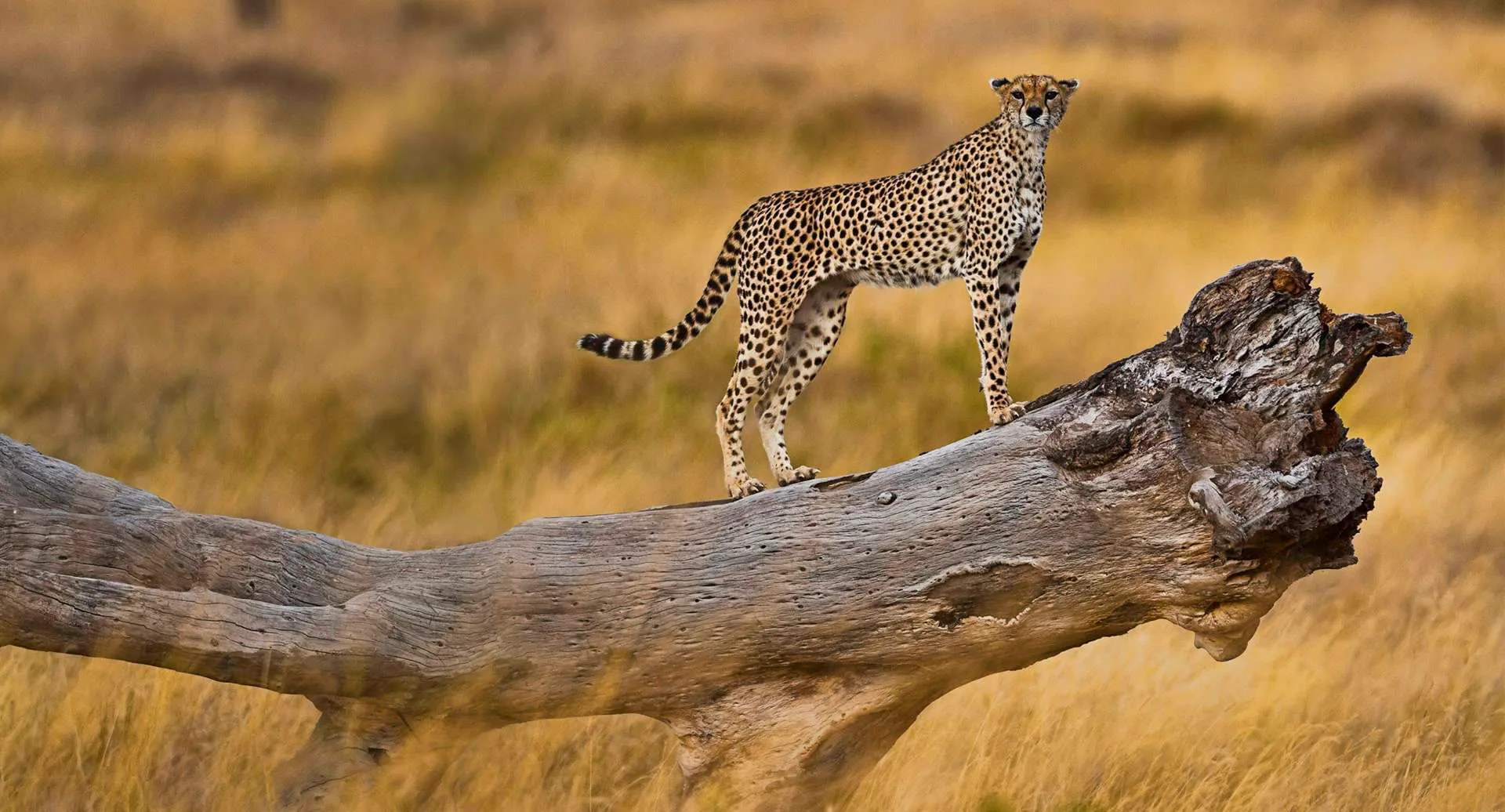
The Serengeti pairs beautifully with Tanzania’s other parks. Combine them for a fuller northern-circuit safari.
 Northern Circuit
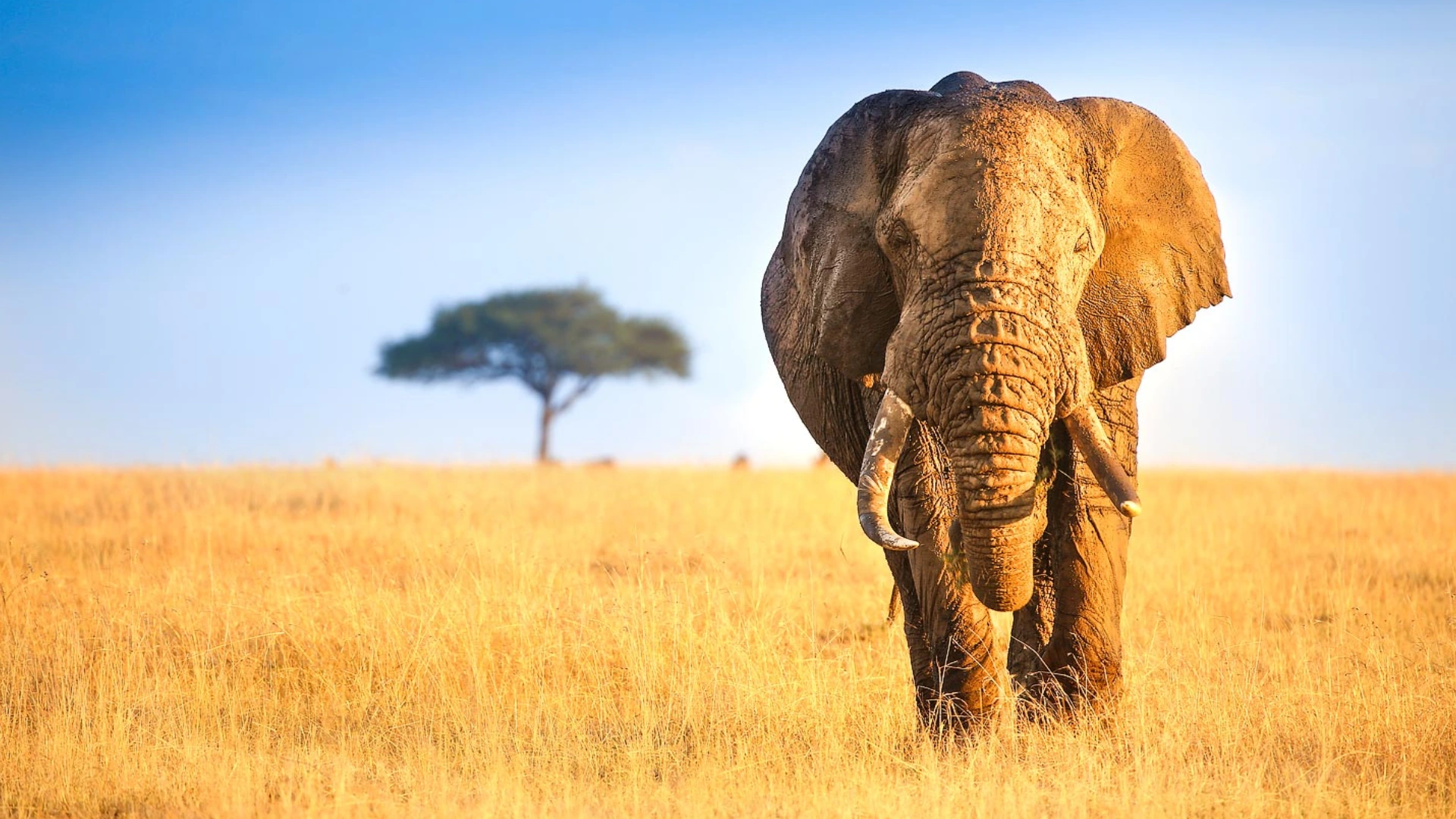
Famous for its huge elephant herds and ancient baobab trees, especially in the dry season.
Explore this Park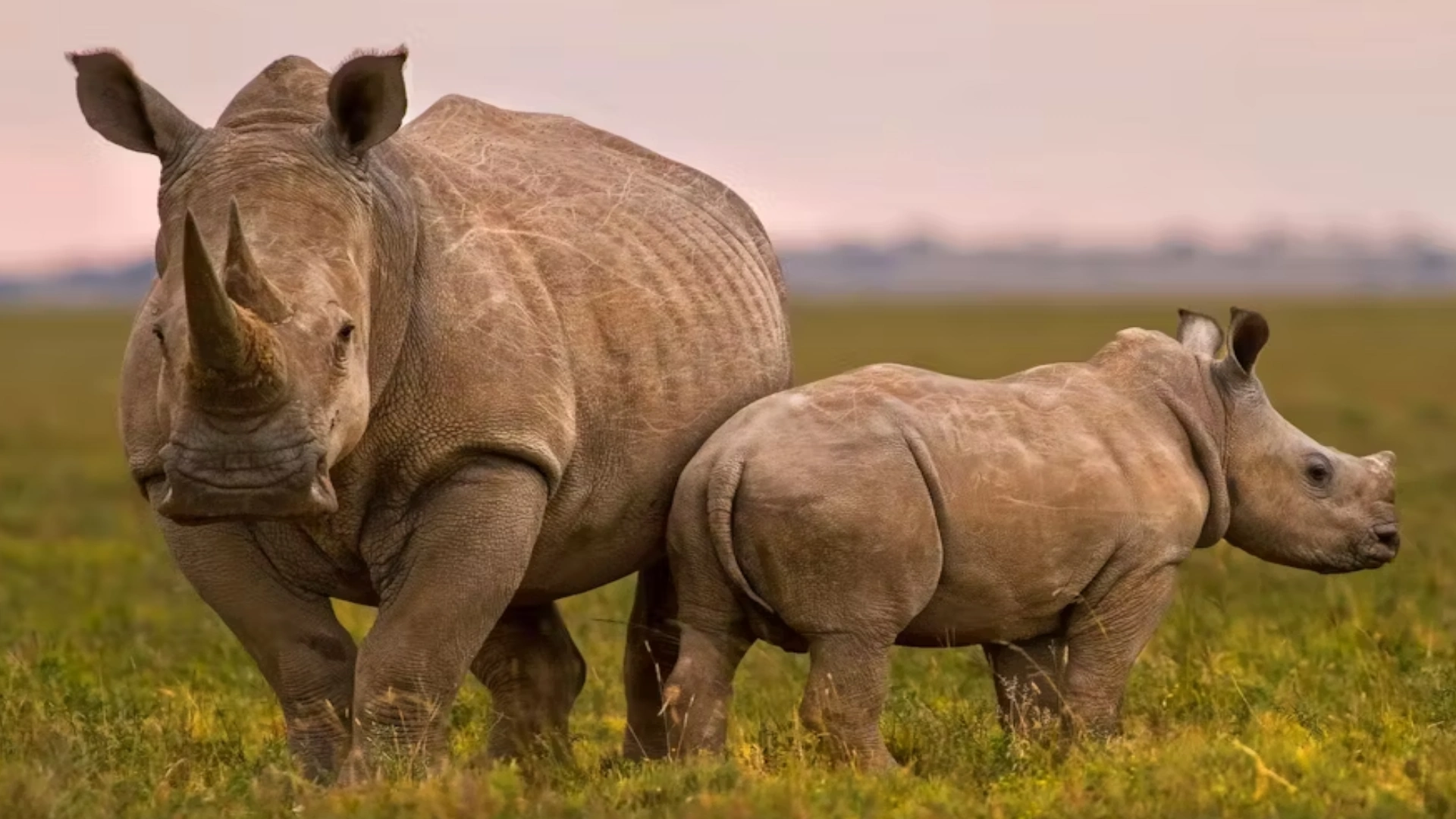 World Heritage Site
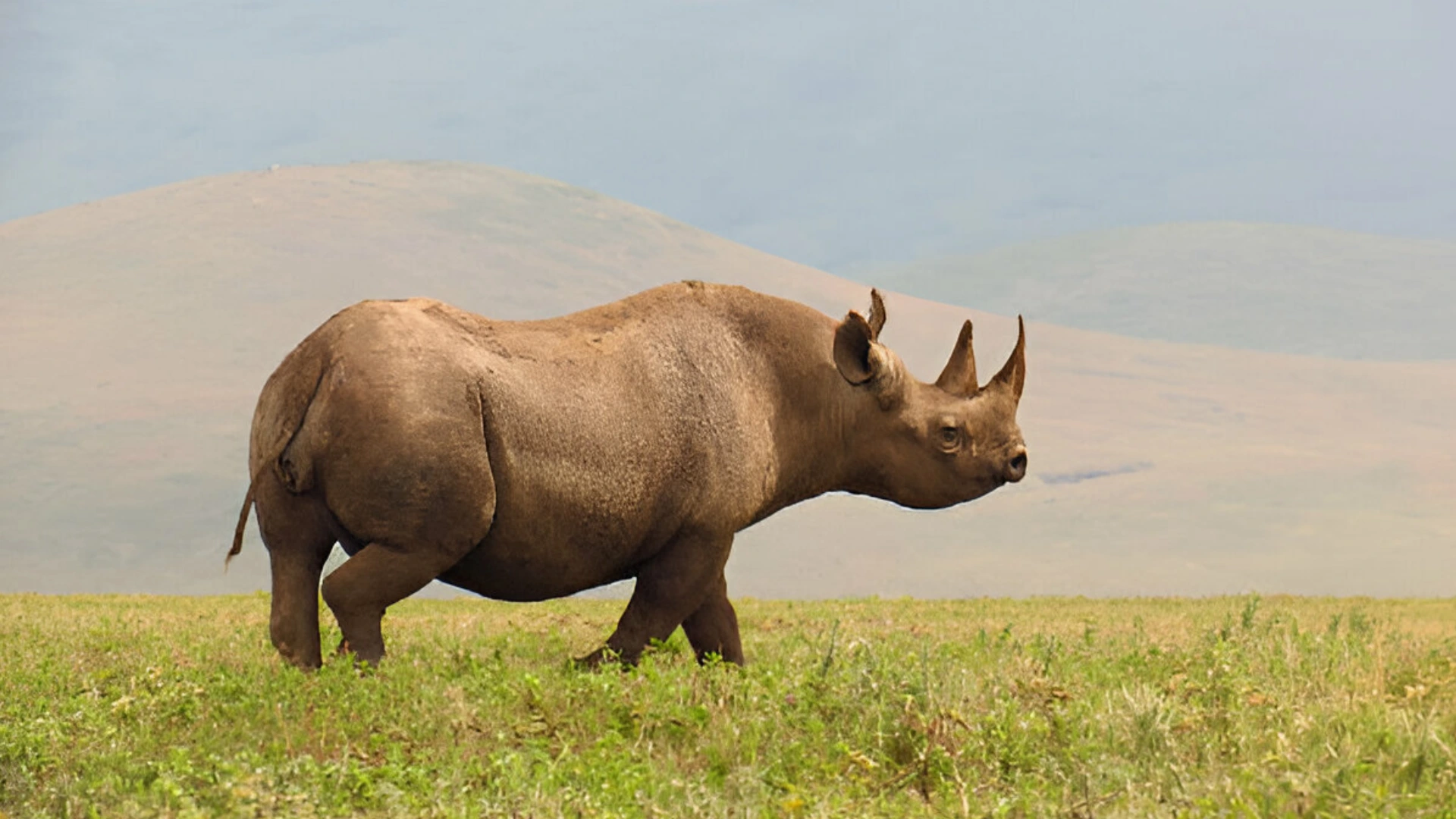
A vast volcanic caldera with dense wildlife, including a good chance of seeing black rhino.
Explore this Park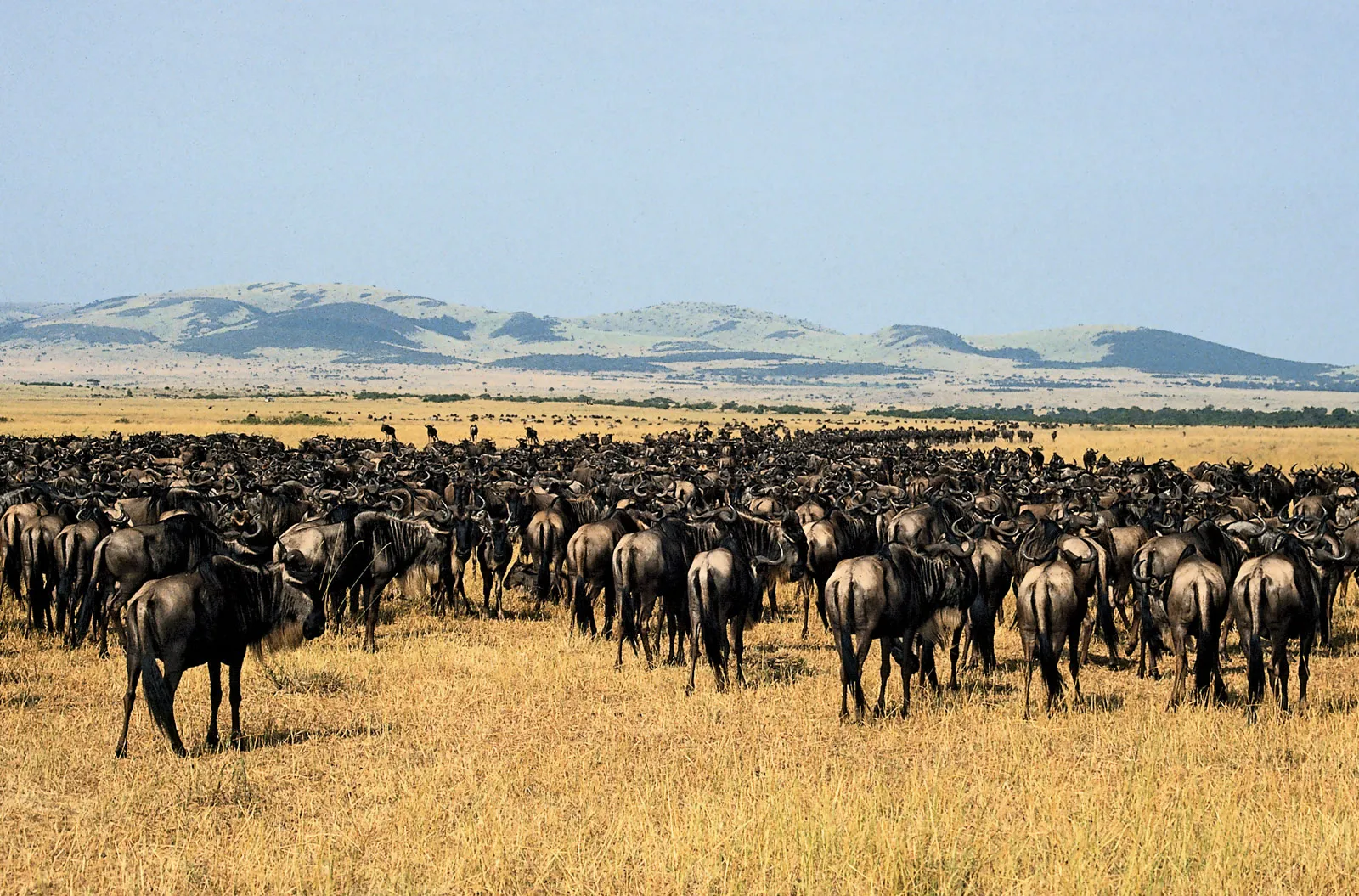 Northern Circuit
Home to the Great Migration and some of the richest wildlife viewing on Earth.
Explore this Park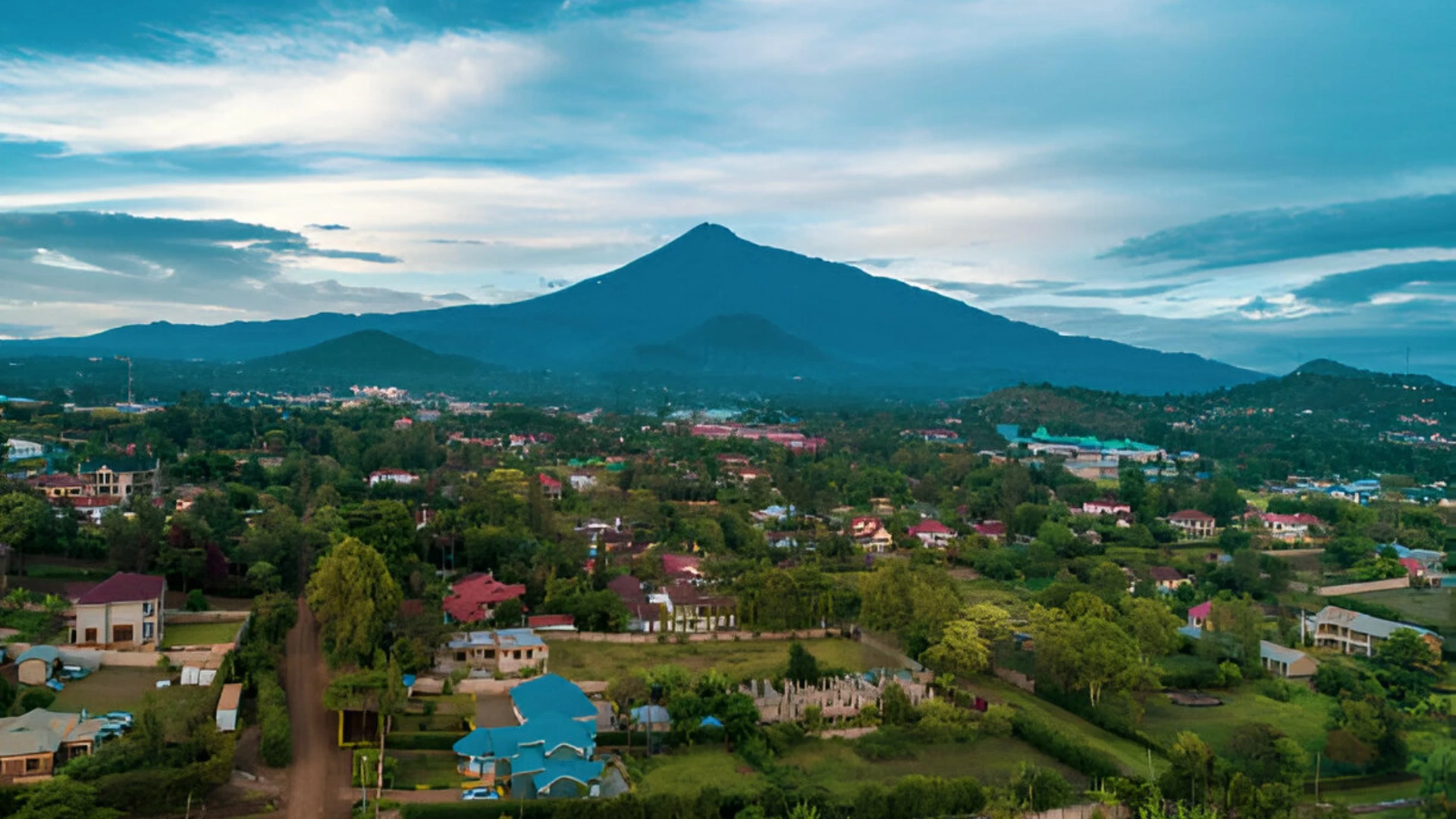 Northern Circuit
Arusha National Park, nestled in northern Tanzania, is a scenic gem known for its striking diversity.
Explore this Park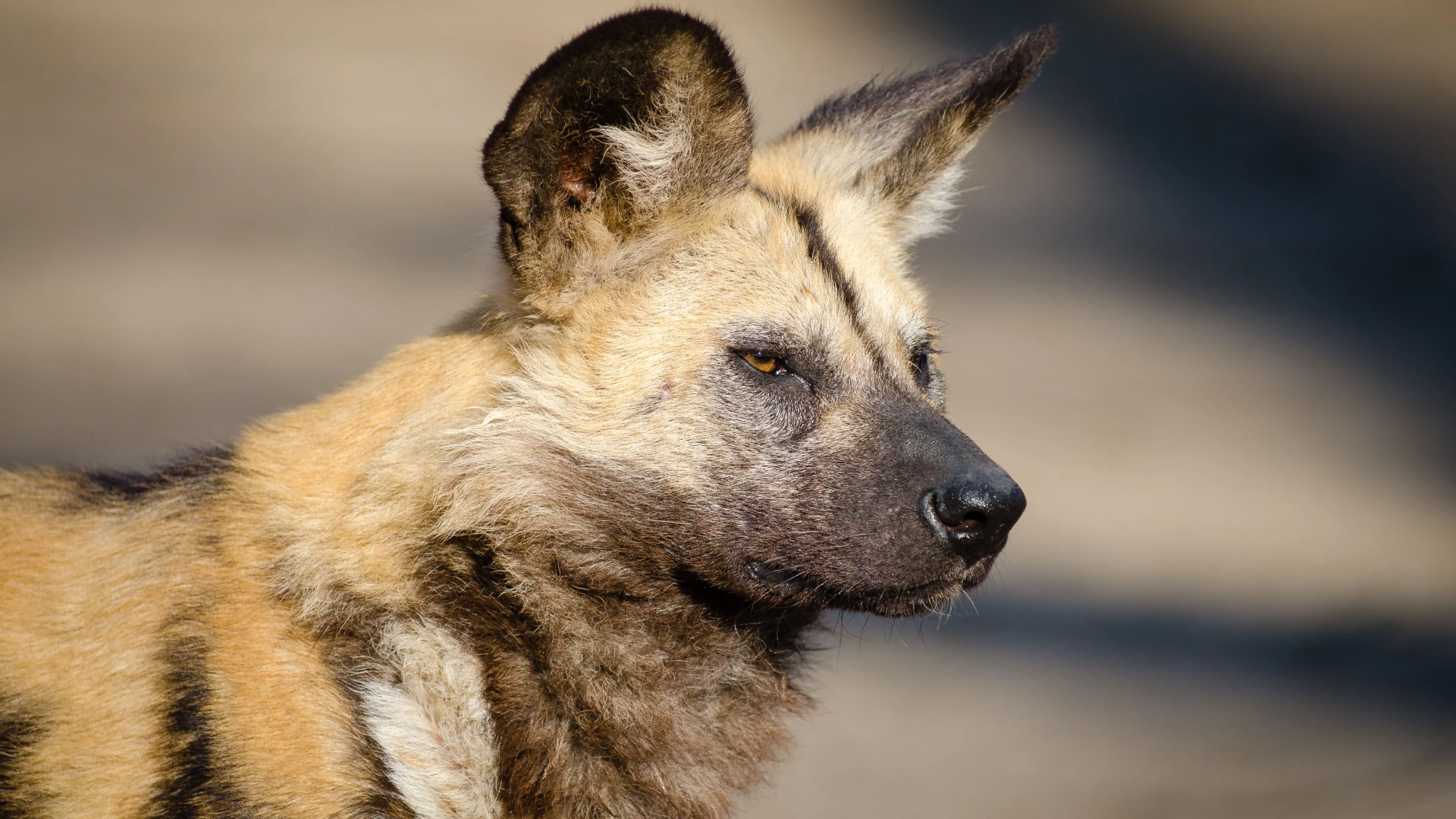 Southern Circuit
Ruaha National Park is the second largest national park in Tanzania, known for its vast and diverse landscapes.
Explore this Park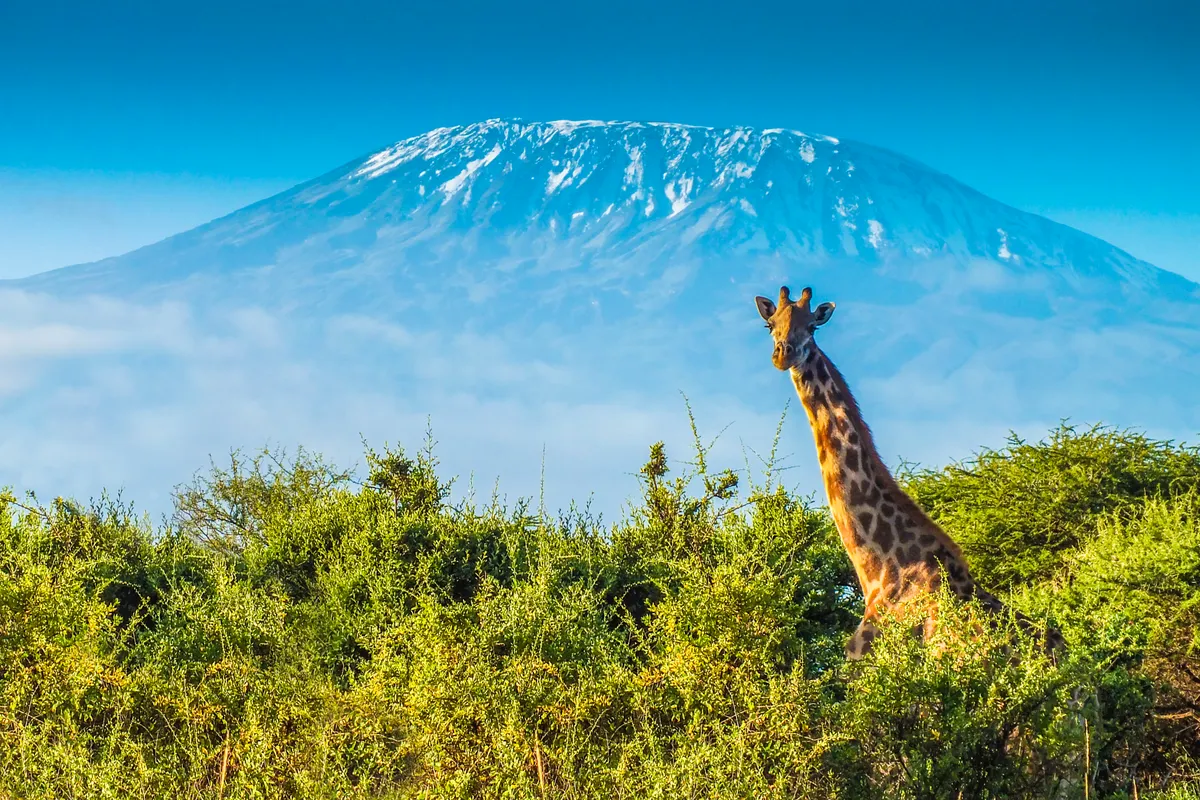 Northern Circuit
Is best known for non-technical high-altitude trekking and multi-day summit ascents to Uhuru Peak
Explore this Park