DISCOVER THE UNEXPECTED

Mt. Kilimanjaro Climbing

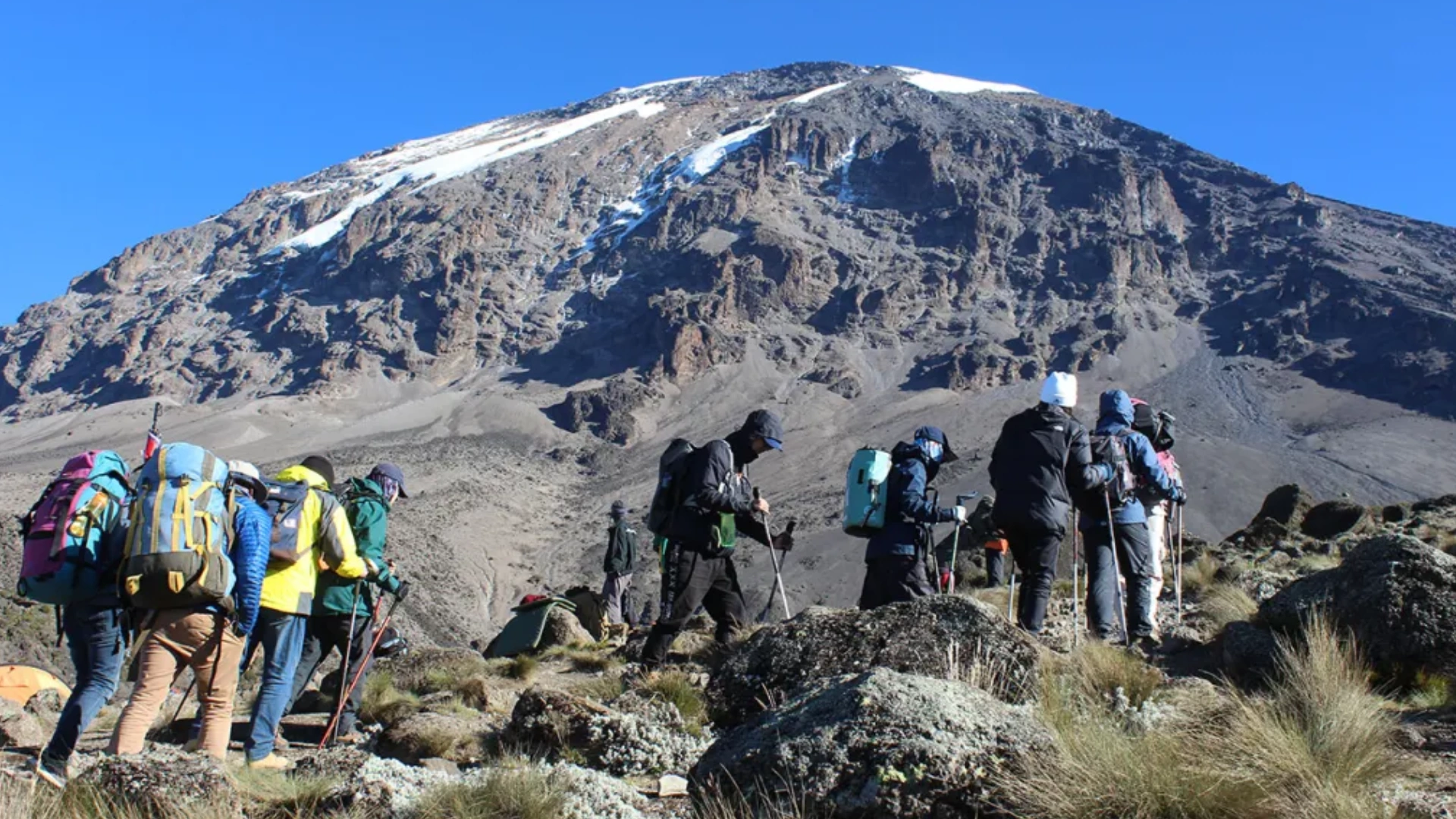
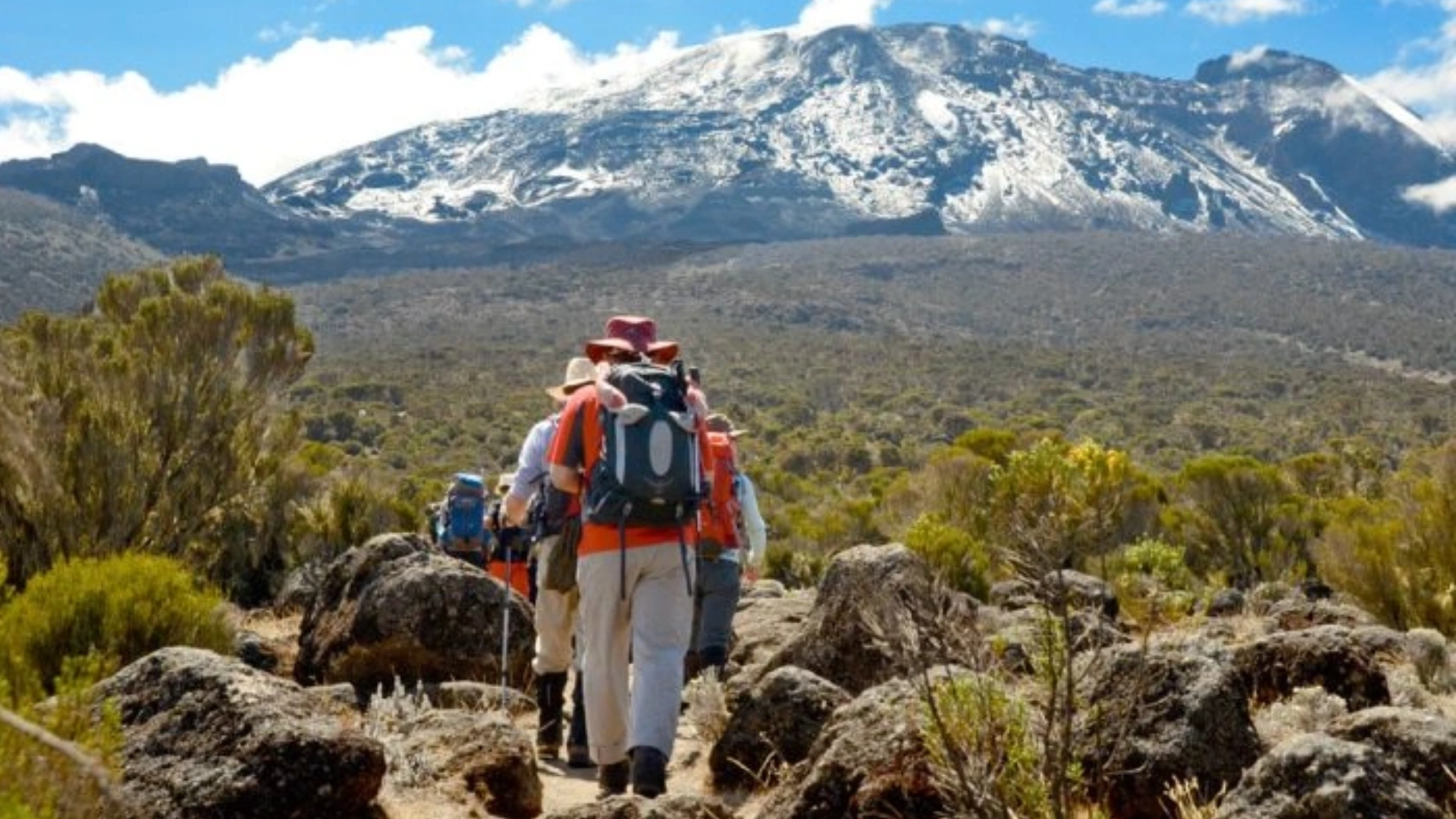
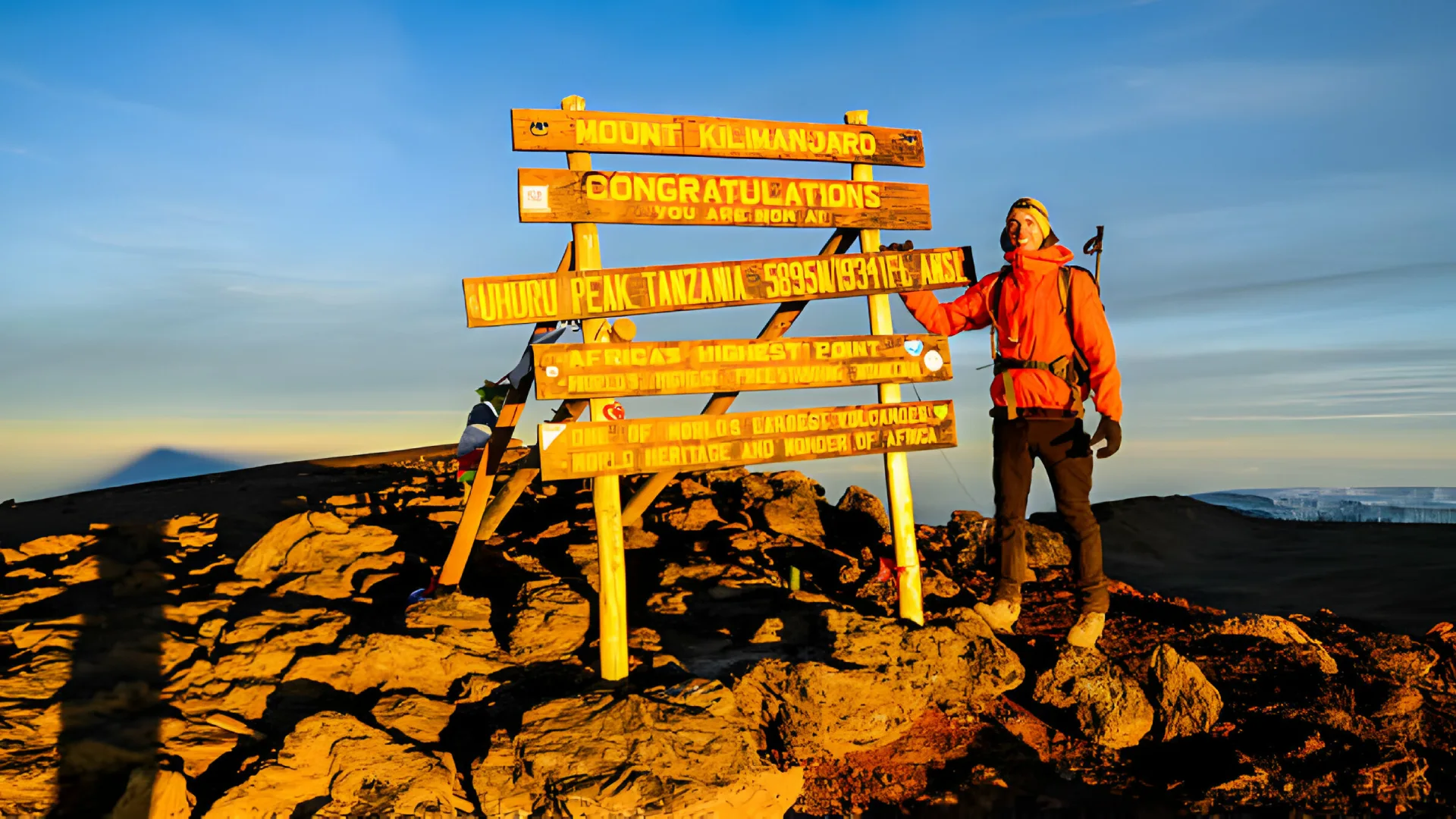
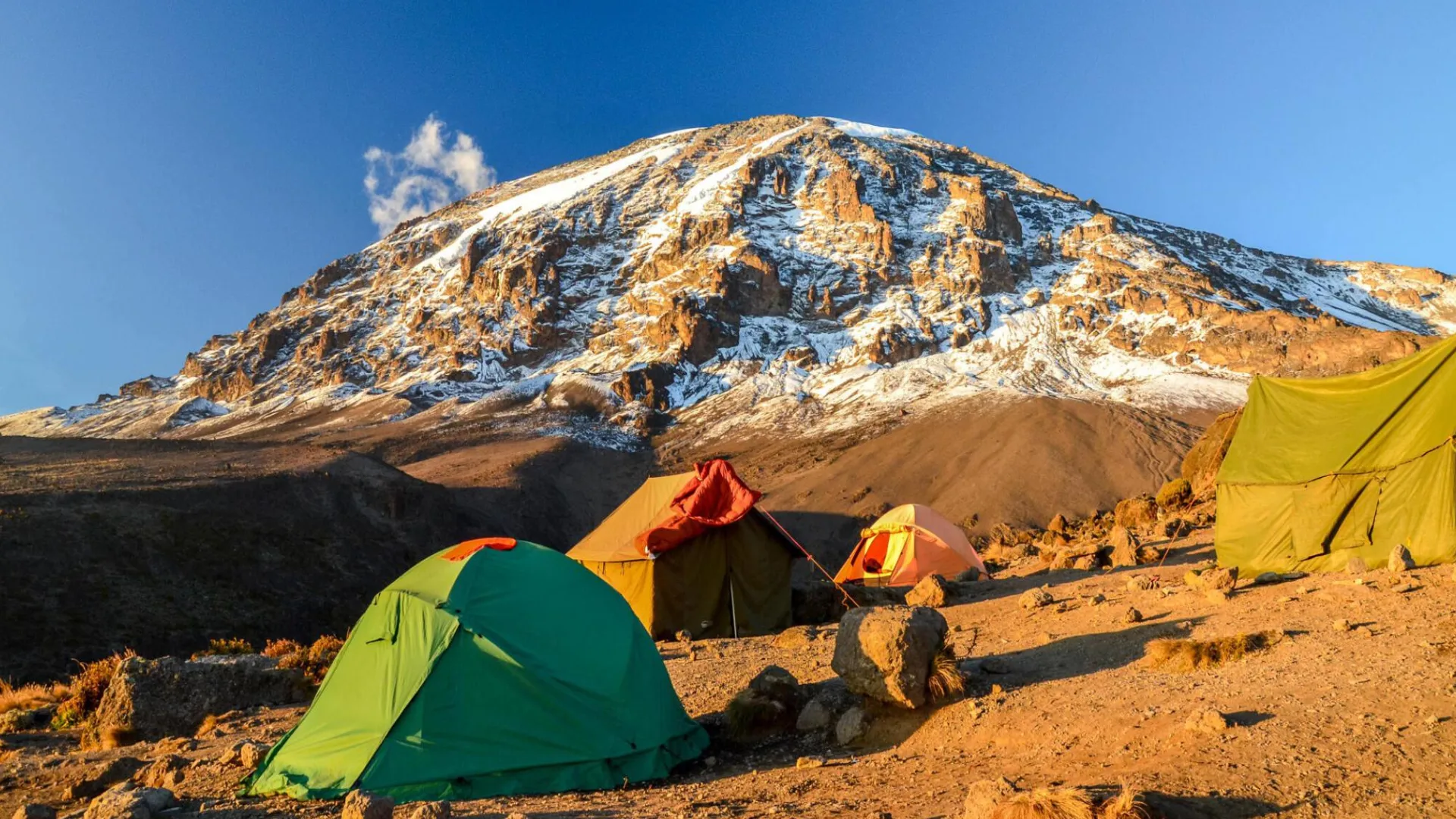
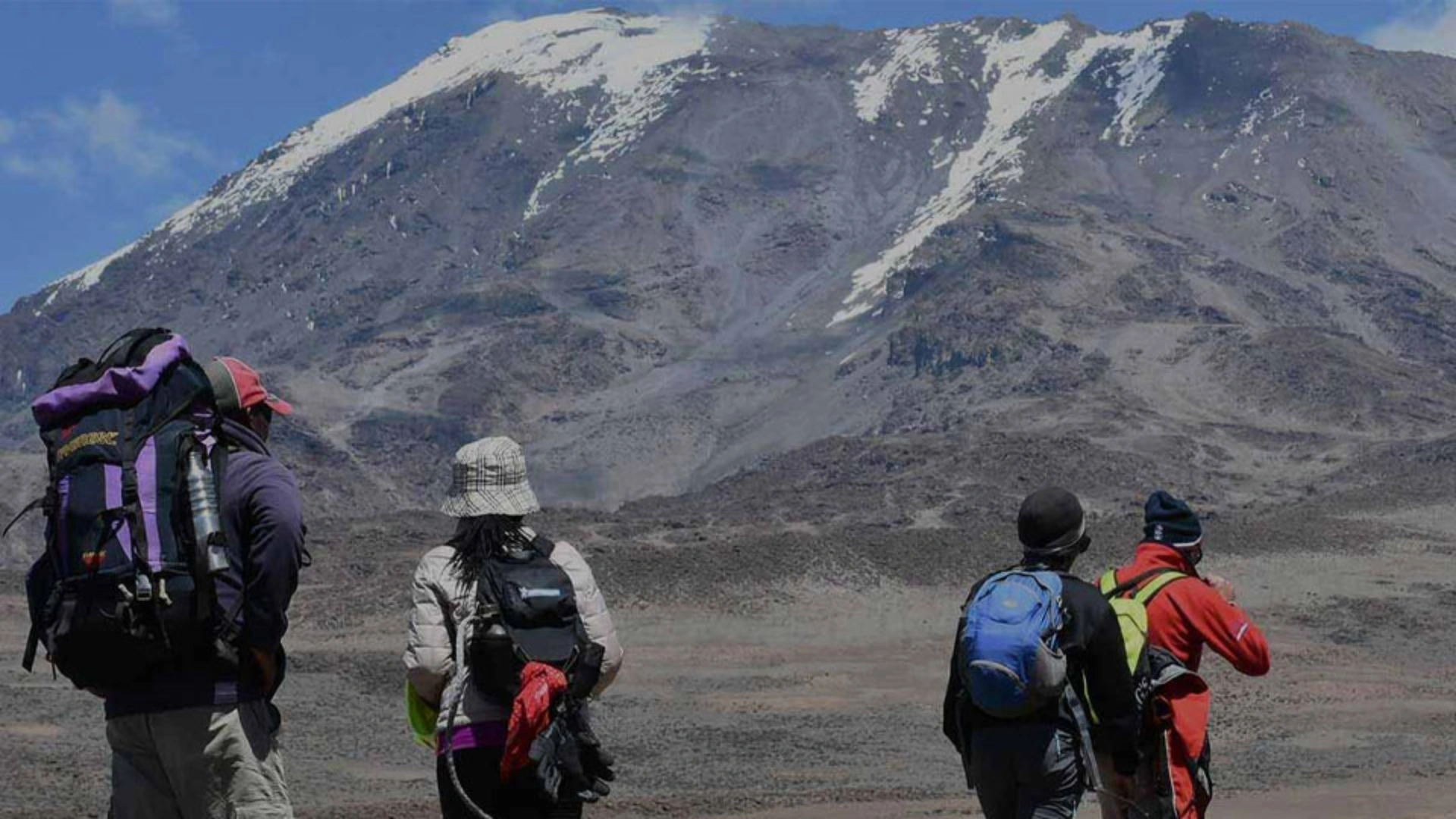
Rising 5 895 meters (19 341 ft) above the surrounding landscape, Mount Kilimanjaro holds the dual records of being Africa’s highest and the world’s tallest freestanding mountain.

TREKKING

Kilimanjaro Climbing Adventure

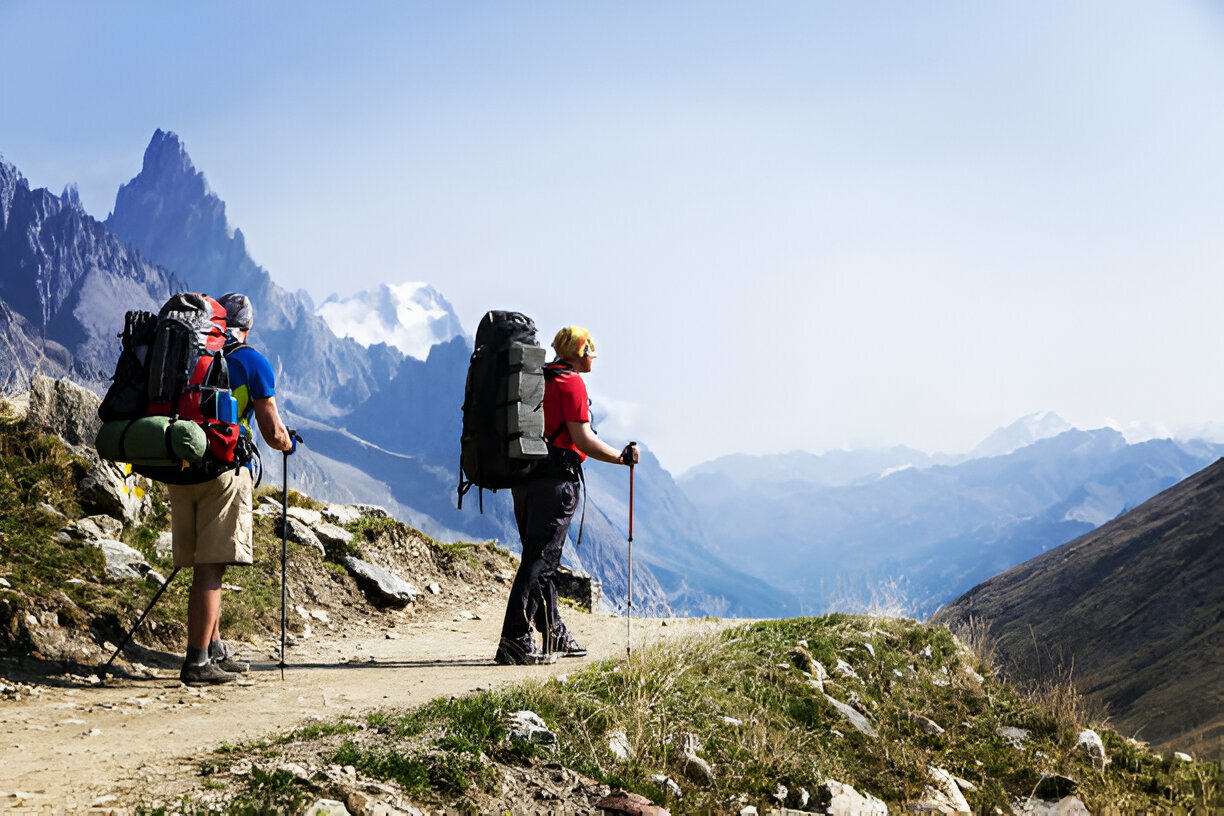
Take on the ultimate African adventure and summit Mount Kilimanjaro, the highest peak in Africa. Our expertly guided trekking packages are designed to maximize safety, comfort, and summit success, supported by experienced guides and dedicated mountain crews. We offer a range of carefully selected routes to suit different preferences and experience levels, including the scenic Machame Route, the comfortable Marangu Route with hut accommodations, the premium Lemosho Route known for its high success rate and breathtaking landscapes, the quieter Rongai Route from the northern side, and the challenging Umbwe Route for more experienced climbers. Each journey is thoughtfully planned to ensure proper acclimatization, personalized support, and an unforgettable achievement as you reach the Roof of Africa.

When to go

June – October

June to October – Generally dry, cooler conditions make this the preferred climbing window.

POPULAR ROUTES

Kilimanjaro Climbing Routes

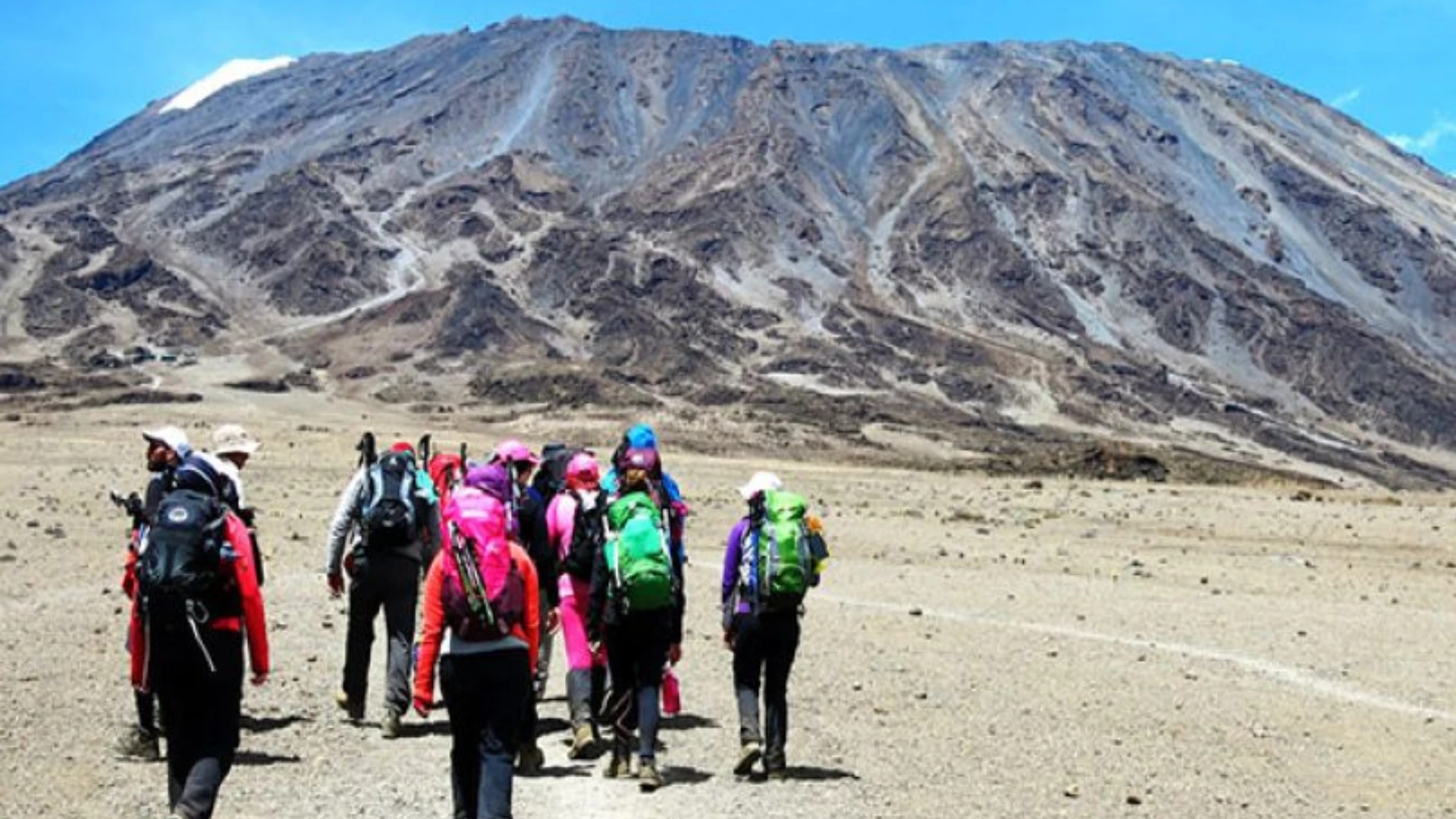
Tanzania of fers several scenic climbing routes, with Mount Kilimanjaro being the most famous destination. Popular routes include the Marangu Route, known for its hut accommodations, and the Machame Route, favored for its stunning scenery. The Lemosho and Rongai Routes provide a quieter, more gradual ascent, while the Umbwe Route is the steepest and most challenging. Each route offers a unique experience, catering to different skill levels and preferences, making Kilimanjaro a bucket-list climb for adventurers worldwide.

Popular Kilimanjaro Routes & Itineraries

Mount Kilimanjaro Climbing Expeditions

Climb Africa’s highest peak with our expert Tanzania Tours Kilimanjaro. We offer all major Kilimanjaro routes, including the Machame Route, luxury Lemosho Route, and classic Marangu Route. Our experienced mountain guides ensure high summit success rates while prioritizing climber safety and providing comprehensive Kilimanjaro equipment and support.

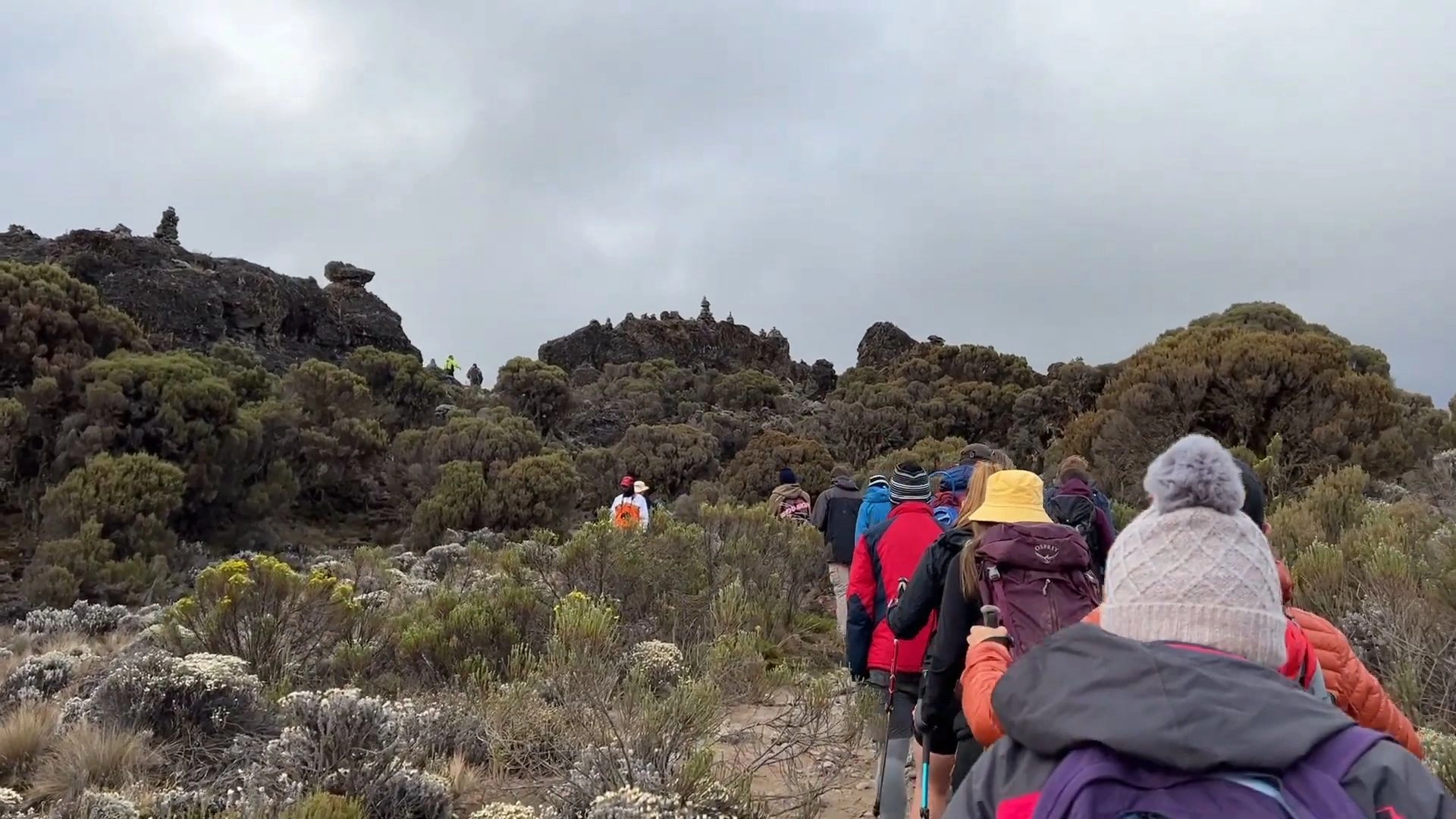
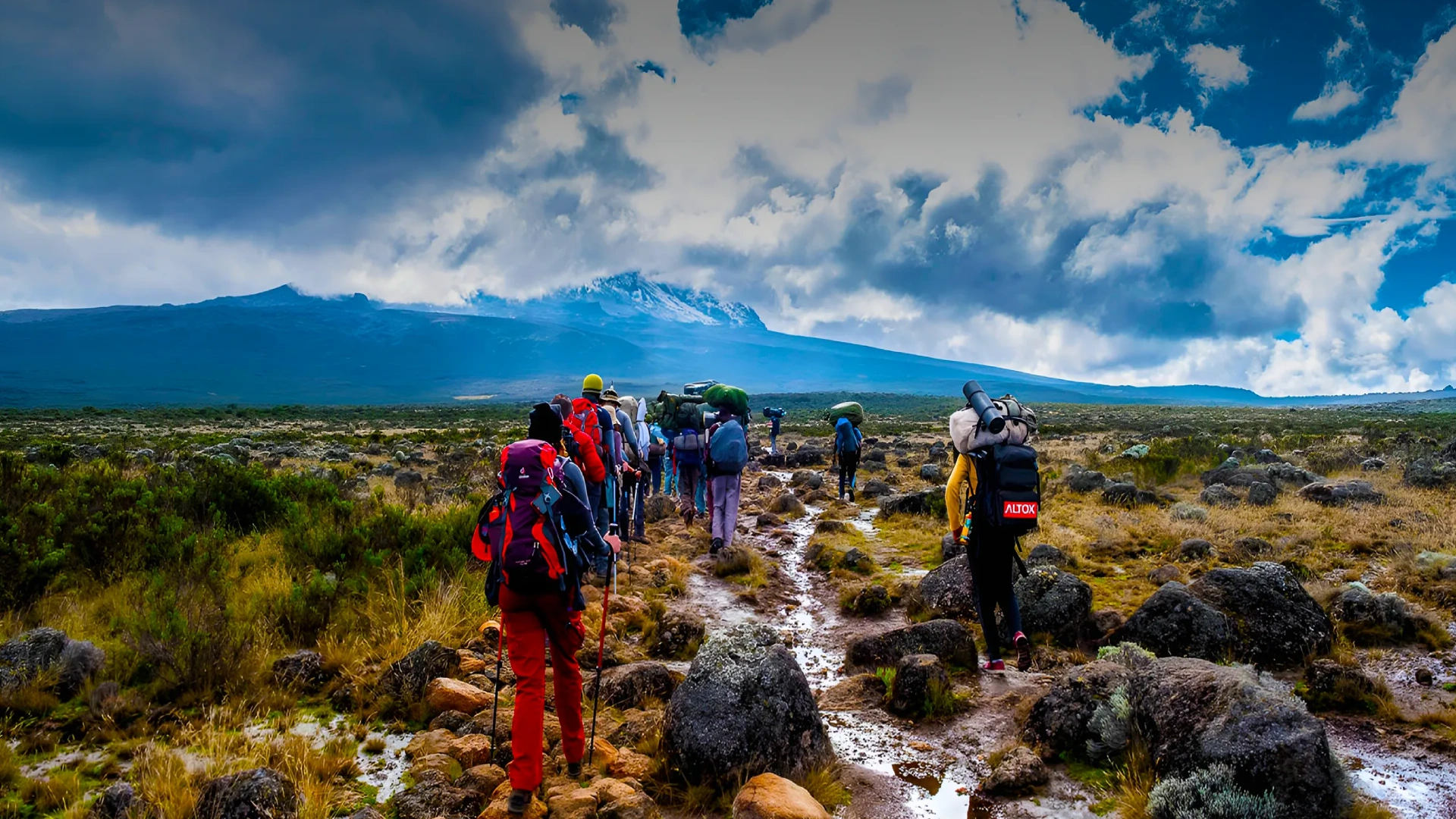
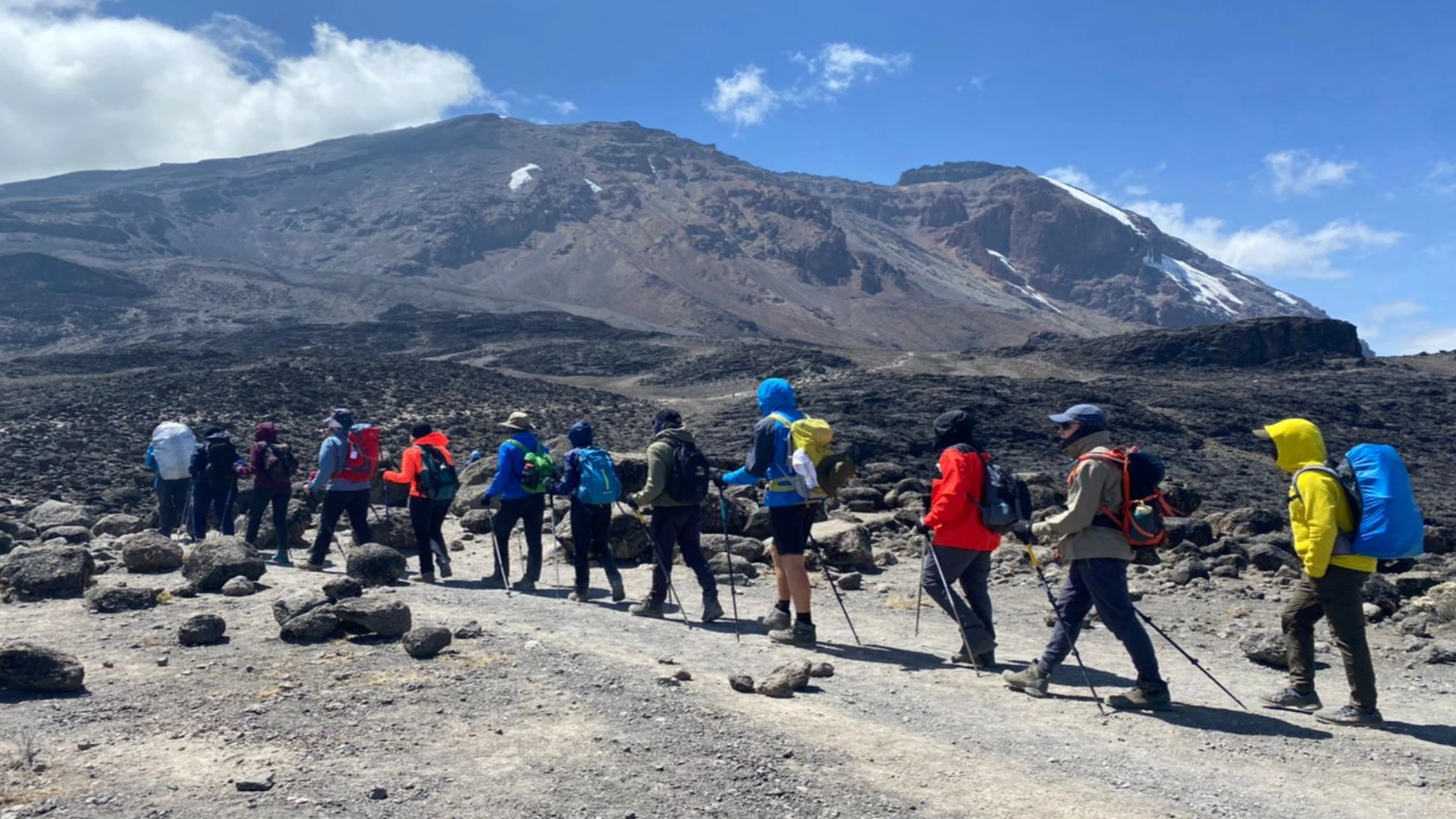
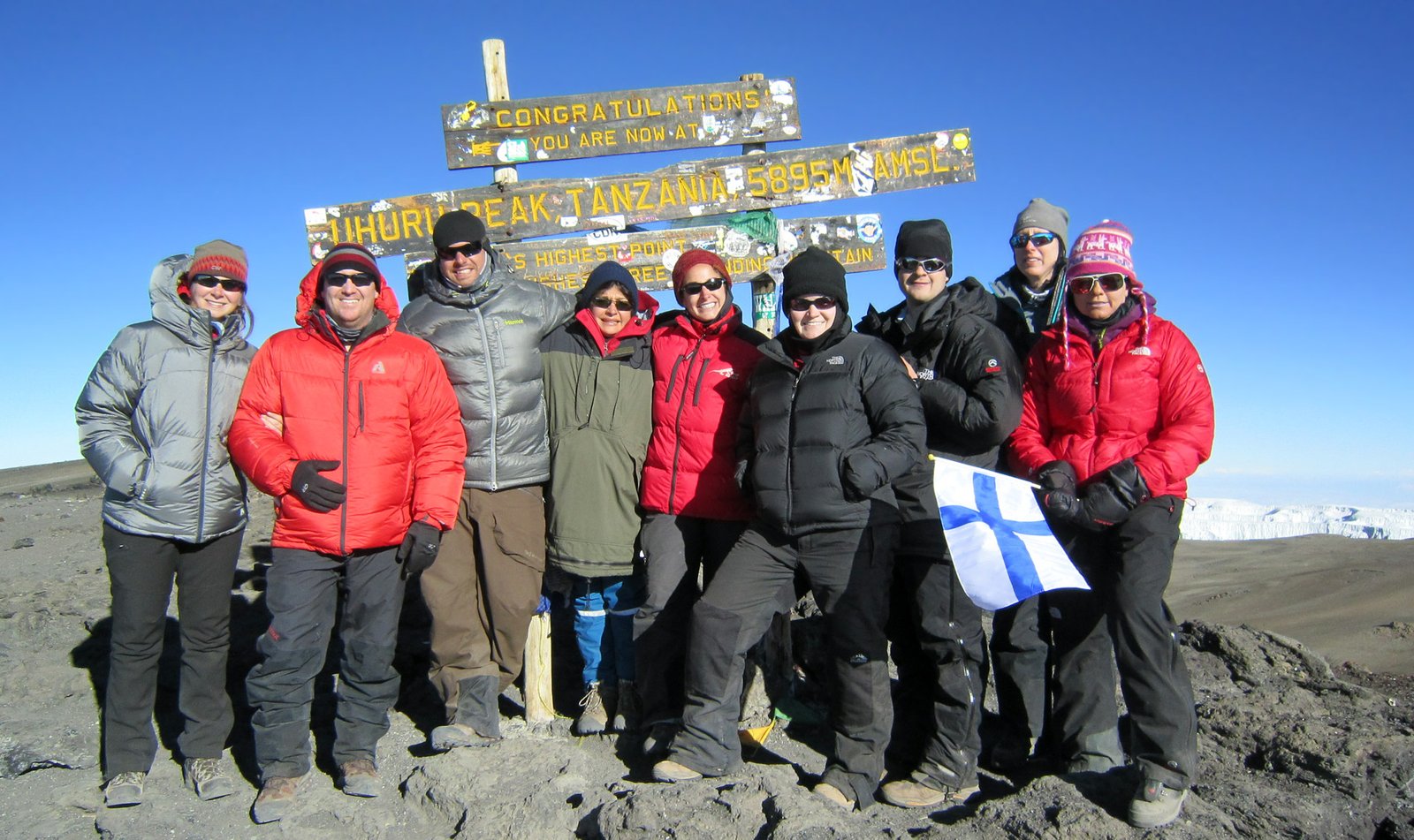
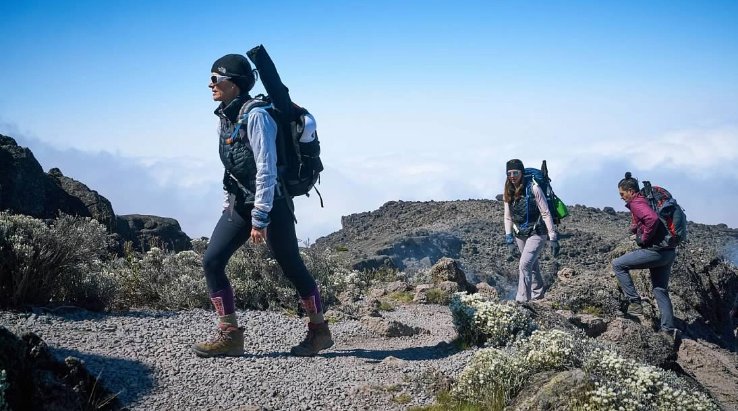
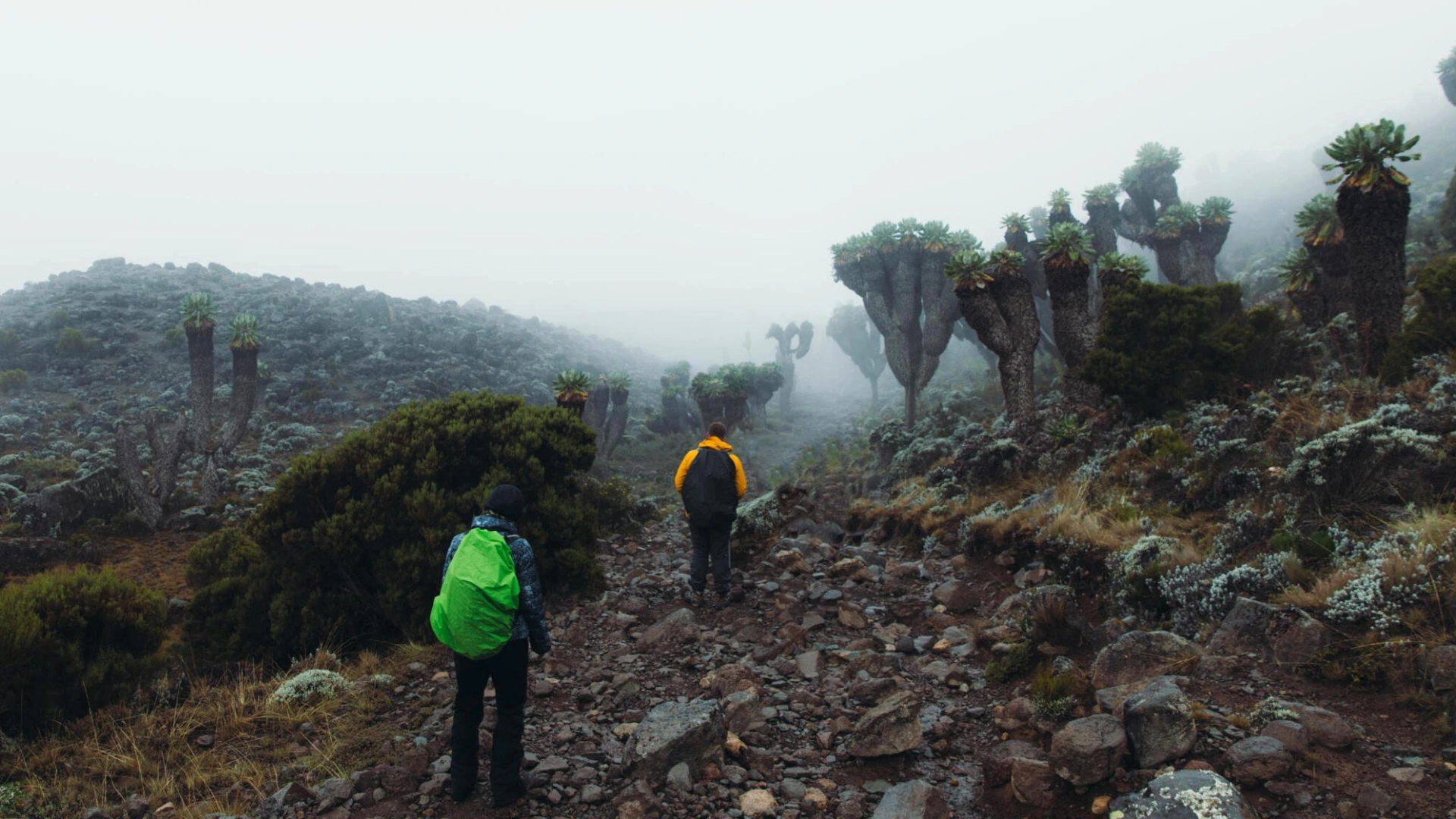
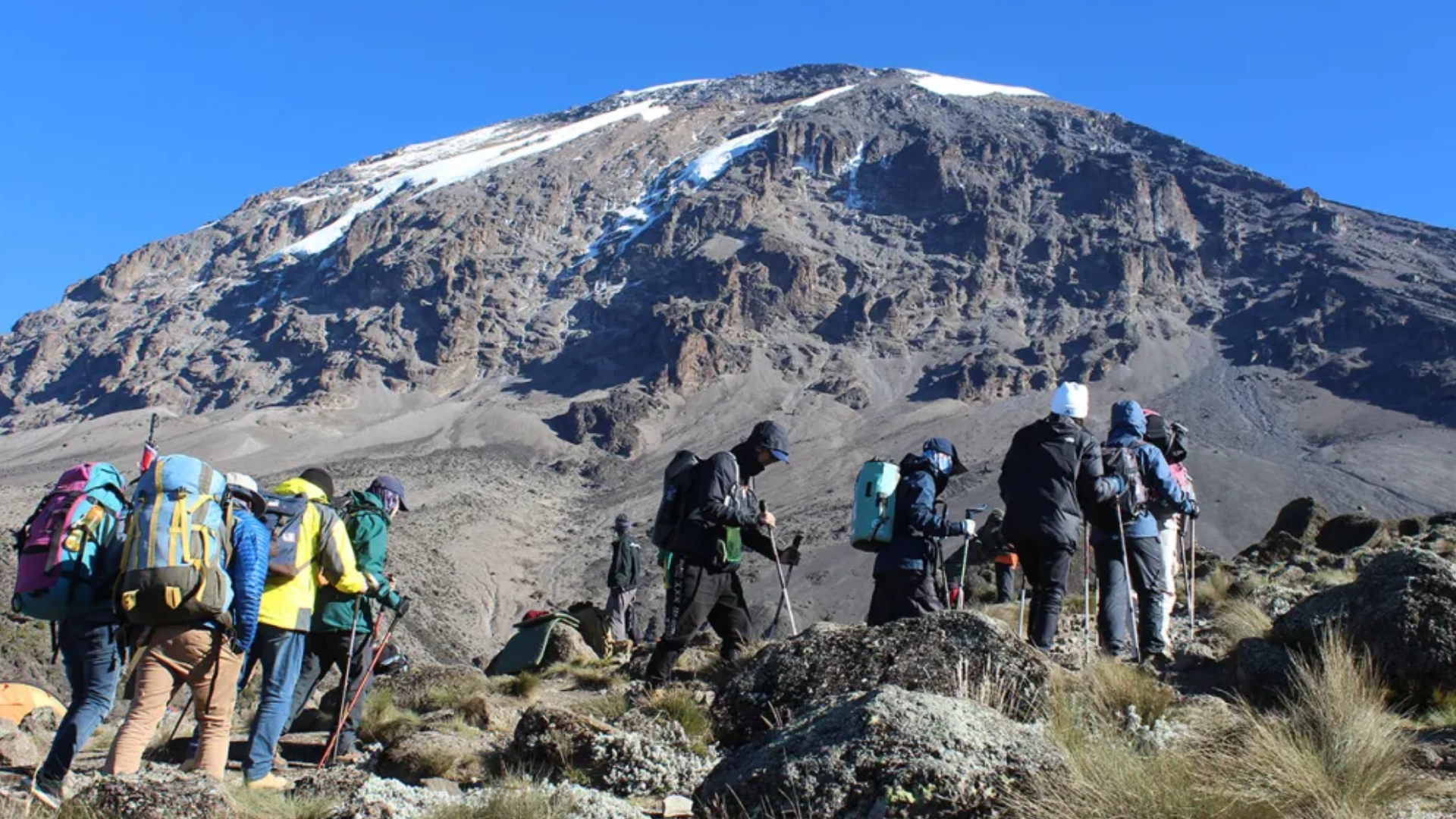
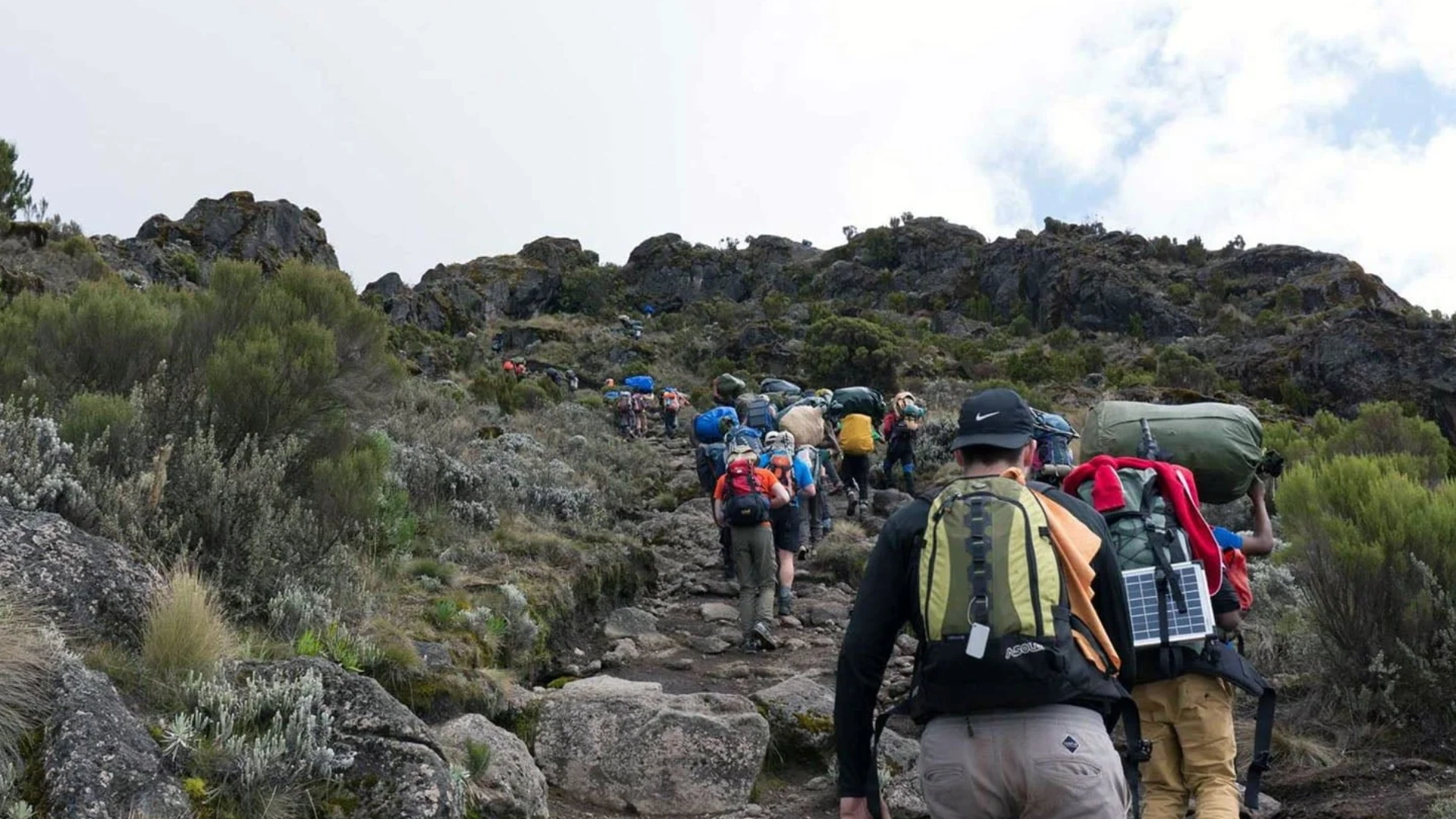
Conquer the Roof of Africa on a life-changing Kilimanjaro expedition with Tanzania WildWonders. Standing at 5,895 meters, Mount Kilimanjaro offers one of the world’s most iconic trekking adventures. Climbers journey through five unique ecological zones—from lush rainforest and alpine desert to the icy glaciers near Uhuru Peak—guided by experienced mountain experts who ensure safety, proper acclimatization, and a rewarding summit experience. Along the way, you will trek for several days across dramatic landscapes, camp under star-filled skies, and experience the unforgettable moment of reaching the summit at sunrise above the clouds.

WHEN TO CLIMB

Best time to Climb Kilimanjaro

The best time to climb Mount Kilimanjaro is during its dry seasons: December to mid-March and late June to October, with January, February, and September being particularly favorable due to clear skies, mild weather, and low rainfall. These conditions provide excellent visibility, safer trails, and a more enjoyable trekking experience. While Kilimanjaro can technically be climbed year-round, April and November are best avoided due to heavy rains, which make trails muddy and slippery, reducing visibility and increasing the risk of accidents. Shoulder seasons like late March and late May may suit experienced trekkers willing to face unpredictable weather for fewer crowds. Ultimately, choosing the right season depends on balancing trail conditions, personal schedules, and desired solitude on the mountain.

SUMMIT MOUNT KILIMANJARO

Who Can Climb Kilimanjaro?

Anyone in good physical condition and with the determination to reach the summit can climb Mount Kilimanjaro, regardless of age or ability. The youngest person to summit was 7 years old, and the oldest was 88, demonstrating that age is not a barrier if you are fit and prepared. Many differently-abled individuals have also successfully completed the climb, proving that with the right mindset and support, anything is possible. However, it is essential to be physically prepared for the demands of a multi-day trek at high altitudes. It’s crucial to focus on stamina, fitness, and mental resilience, as the climb is challenging due to its difficult terrain and changing weather. To improve your chances of reaching the summit, pace yourself by walking slowly, taking frequent breaks, and staying hydrated to minimize the risks of altitude sickness. Ultimately, the key to success is a strong will, careful preparation, and maintaining a steady pace throughout the journey.

WHAT TO PACK

What to Pack for Kilimanjaro Climbing?

For Hiking Kilimanjaro, pack essential gear for varying climates and conditions. Include a waterproof jacket and pants, a fleece or down jacket for warmth, moisture-wicking base layers, and trekking pants. A high-quality pair of hiking boots with ankle support is crucial, along with warm socks and gaiters. Don’t forget gloves, a hat, and a headlamp with extra batteries. Bring sunscreen, lip balm with SPF, and sunglasses to protect from high-altitude sun. A hydration system like a Camelbak, water bottles, and purification tablets are vital for staying hydrated. For personal items, pack a sleeping bag rated for sub-zero temperatures, a small first aid kit, toiletries, and a multi-tool. Also, carry energy snacks, a camera, and necessary documents like passports and permits. Ensure you have a lightweight, durable backpack for your daily essentials and a duffel bag for your gear, which will be carried by porters.

HOW TO BOOK

How to Book Your Mount Kilimanjaro Climb

Booking your Kilimanjaro climb with us is simple — reserve your spot with just a $100 deposit. After that, you’ll receive access to your personal trip account, where you can easily fill in your medical information, allergies, food preferences, and gear details. Your consultant will stay in touch with you at every stage, ready to assist with any questions and help you prepare thoroughly for a safe and successful summit.

Start Planning Your Tanzania Adventure

Chat with our safari experts on WhatsApp or start planning your journey today. Get personalized guidance on safaris, Kilimanjaro routes, and the best times to visit tailored entirely to your travel goals.

Travel Specialist

DISCOVER THE UNEXPECTED

Payment Methods

Choose a secure payment option for your bookings. We accept all major cards and charge a 3.5% processing fee.

Credit & Debit Cards

Visa, MasterCard, American Express accepted.

Secure Payments

Your transaction is safe and encrypted.

Processing Fee

A 3.5% charge is applied for card transactions.

Need help with your payment? Contact us at info@tanzaniawildwonders.com

FAQs

Everything You Need to Know About
Climbing Mount Kilimanjaro

  • Where is mount Kilimanjaro located?

    Mount Kilimanjaro stands in northern Tanzania, East Africa, just a short distance from the Kenyan border. The mountain sits within Kilimanjaro National Park, a protected area that welcomes climbers from around the world. Since you’re based in Arusha, you’re perfectly positioned—Kilimanjaro lies less than two hours from your doorstep, making it one of the most accessible major peaks for both locals and international visitors.

  • How high is mount Kilimanjaro?

    Mount Kilimanjaro reaches 5,895 meters (19,341 feet) above sea level. This impressive height makes it Africa’s tallest mountain and the world’s highest free-standing peak. Unlike mountains in the Himalayas or Andes that rise from already elevated plateaus, Kilimanjaro erupts dramatically from the surrounding plains, creating one of the most striking profiles you’ll ever see.

  • How hard is it to climb mount Kilimanjaro?

    Kilimanjaro doesn’t require technical climbing skills—no ropes, ice axes, or previous mountaineering experience necessary. However, don’t let this fool you into thinking it’s easy. Altitude sickness presents the biggest challenge, affecting climbers regardless of fitness level. The thin air at high elevation causes headaches, nausea, and exhaustion. Your body needs time to adjust, which is why proper acclimatization makes the difference between success and turning back. Good physical fitness helps, but mental determination and choosing the right itinerary matter even more.

  • How long does it take to climb mount Kilimanjaro?

    Most climbers spend 6 to 9 days on the mountain, depending on which route they choose. Shorter trips might seem appealing, but they dramatically reduce your chances of reaching the summit. Your body needs time to adapt to decreasing oxygen levels. Longer itineraries—especially 7 to 9 days—give you better acclimatization, reduce altitude sickness risk, and significantly improve summit success rates. Think of those extra days as an investment in your goal of standing on Uhuru Peak.

  • What is the best route to climb mount Kilimanjaro?

    Kilimanjaro offers several routes, each with distinct characteristics. The Machame Route, known as the “Whiskey Route,” takes you through diverse landscapes and provides good acclimatization through its “climb high, sleep low” profile. The Lemosho Route offers even better acclimatization with more gradual ascent and stunning scenery, though it costs slightly more. The Marangu Route (the “Coca-Cola Route”) provides hut accommodation instead of camping but has lower success rates due to rapid ascent. The Rongai Route approaches from the north, offering a quieter experience with less crowds. The Northern Circuit takes the longest but offers the highest success rates and most spectacular views. Lemosho and Machame consistently rank as the best choices for balancing scenery, acclimatization, and success rates.

  • What is the best time to climb mount Kilimanjaro?

    Plan your climb during January through March or June through October for the most favorable conditions. These periods offer clearer skies, drier trails, and better visibility for those spectacular sunrise views from the summit. The mountain gets wetter during April, May, and November, though some climbers prefer these quieter months despite the rain. December can work well too, though you might encounter some afternoon showers. The temperature at the summit stays below freezing year-round, so you’ll need warm gear regardless of when you climb.

  • What equipment do i need to climb mount Kilimanjaro?

    You’ll need a layered clothing system to handle temperatures ranging from tropical heat to arctic cold. Essential items include waterproof hiking boots (broken in before your climb), a warm down jacket rated for sub-zero temperatures, a quality sleeping bag (rated to -10°C or lower), trekking poles for stability, moisture-wicking base layers, waterproof pants and jacket, warm hat and gloves, and a comfortable daypack for carrying water and snacks. Good headlamps, sunglasses, and sunscreen round out the basics. Don’t worry if you don’t own everything—many reputable operators in Arusha rent high-quality gear at reasonable prices, saving you the expense of buying equipment you might only use once.

  • Will i make it to the summit of uhuru peak?

    Your chances of reaching Uhuru Peak depend on several factors you can control. Summit success rates vary from 65% to over 90%. Choosing a longer route dramatically improves your odds—7 to 9-day itineraries give your body more time to adjust. Working with experienced guides who monitor your health and adjust pace makes a huge difference. Your personal preparation matters too: arrive in good physical condition, stay well-hydrated throughout the climb, listen to your body, and don’t push too hard too fast. The phrase “pole pole” (slowly, slowly in Swahili) becomes your mantra. Climbers who rush often fail, while those who pace themselves steadily reach the top.

  • Is Mt. Kilimanjaro climbable by anyone?

    Africa’s highest peak, Kilimanjaro is accessible to those in good health with proper preparation. The journey offers unique ecological diversity and breathtaking vistas.

  • Which are the top parks in Tanzania for a safari, especially for first-time visitors?

    For first-timers, Tanzania’s Northern Circuit, with its iconic Serengeti National Park and Ngorongoro Crater, is an ideal start, offering classic safari experiences and the chance to witness the Great Migration. Adventurous travelers or return visitors might explore beyond, to the vast wilderness of Ruaha, the wild beauty of Selous (part of the larger Nyerere National Park), or the unique primate encounters in Mahale and Gombe.

  • What should I consider when traveling to Tanzania with kids or elderly people?

    Tanzania welcomes all ages with family-friendly accommodations and activities. Ensure vaccinations are up to date and plan for a pace that suits everyone.

  • What type of accommodations are provided?

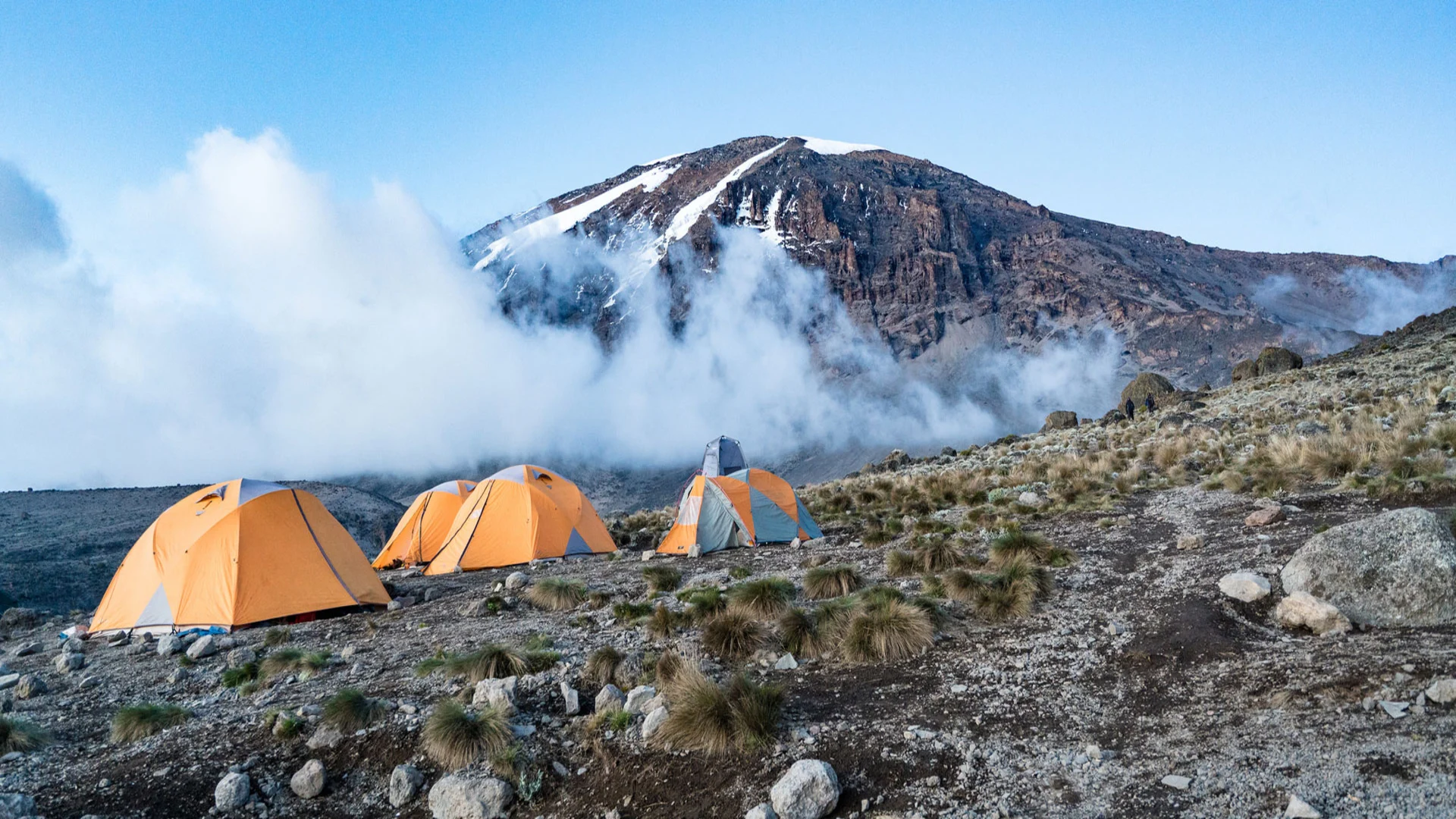
    Depending on your route, accommodations include camping tents or mountain huts (e.g., on the Marangu route).
Tanzania Safari Travel Blog

Tanzania Safari Guides & Travel Tips

Welcome to the Tanzania WildWonders Blog, your trusted source for everything you need to plan an unforgettable safari. From the endless plains of the Serengeti and the breathtaking Ngorongoro Crater to the hidden gems of Tanzania's national parks, we share expert travel advice, wildlife insights, seasonal guides, cultural experiences, and real safari stories to inspire your next African adventure.