
 7 days
Climb Kilimanjaro via Machame Route
Trekking
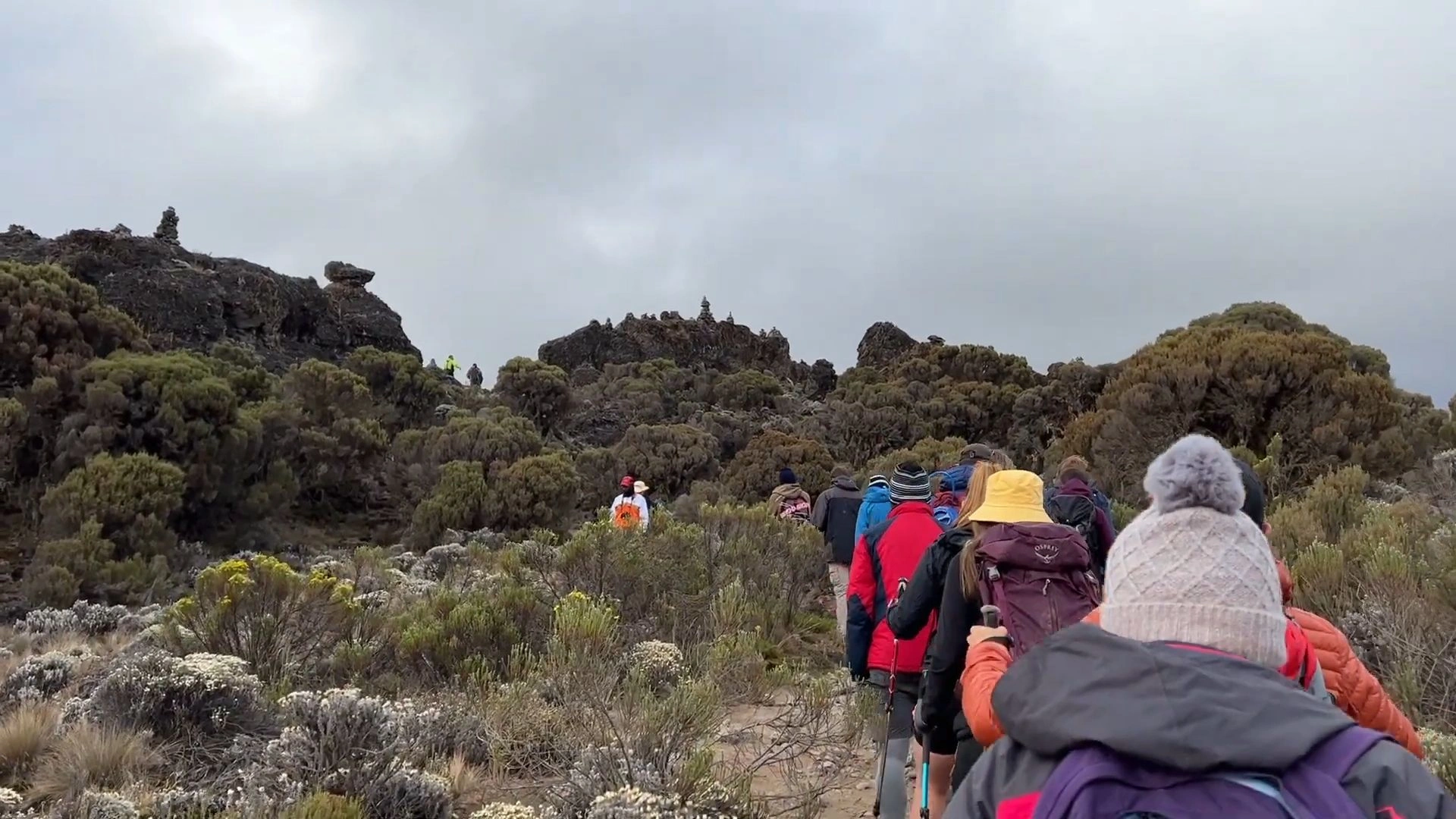
Steep, scenic and full of drama, it is one of the mountain’s most popular trails through forest and across the Shira Plateau and the Barranco Wall.
Book This Tour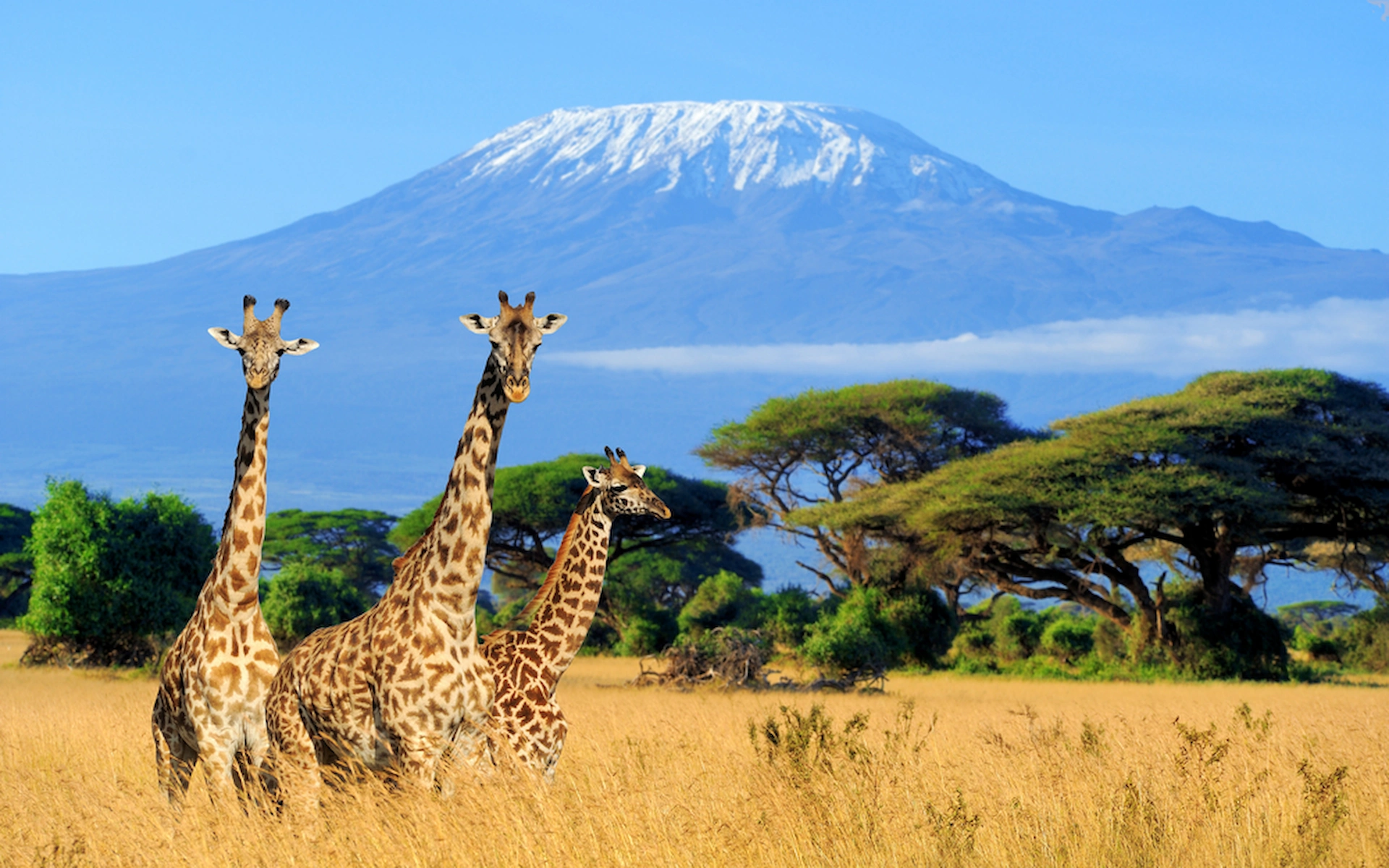
Stand on the roof of Africa. Climb through rainforest, moorland, and alpine desert to the snow-capped summit of the world’s tallest free-standing mountain, with expert guides beside you at every step.
From the farmland and coffee plantations at its foot to the glaciers on its crown, Kilimanjaro is a world of climate zones stacked on one extraordinary volcano, rising alone from the plains of northern Tanzania.
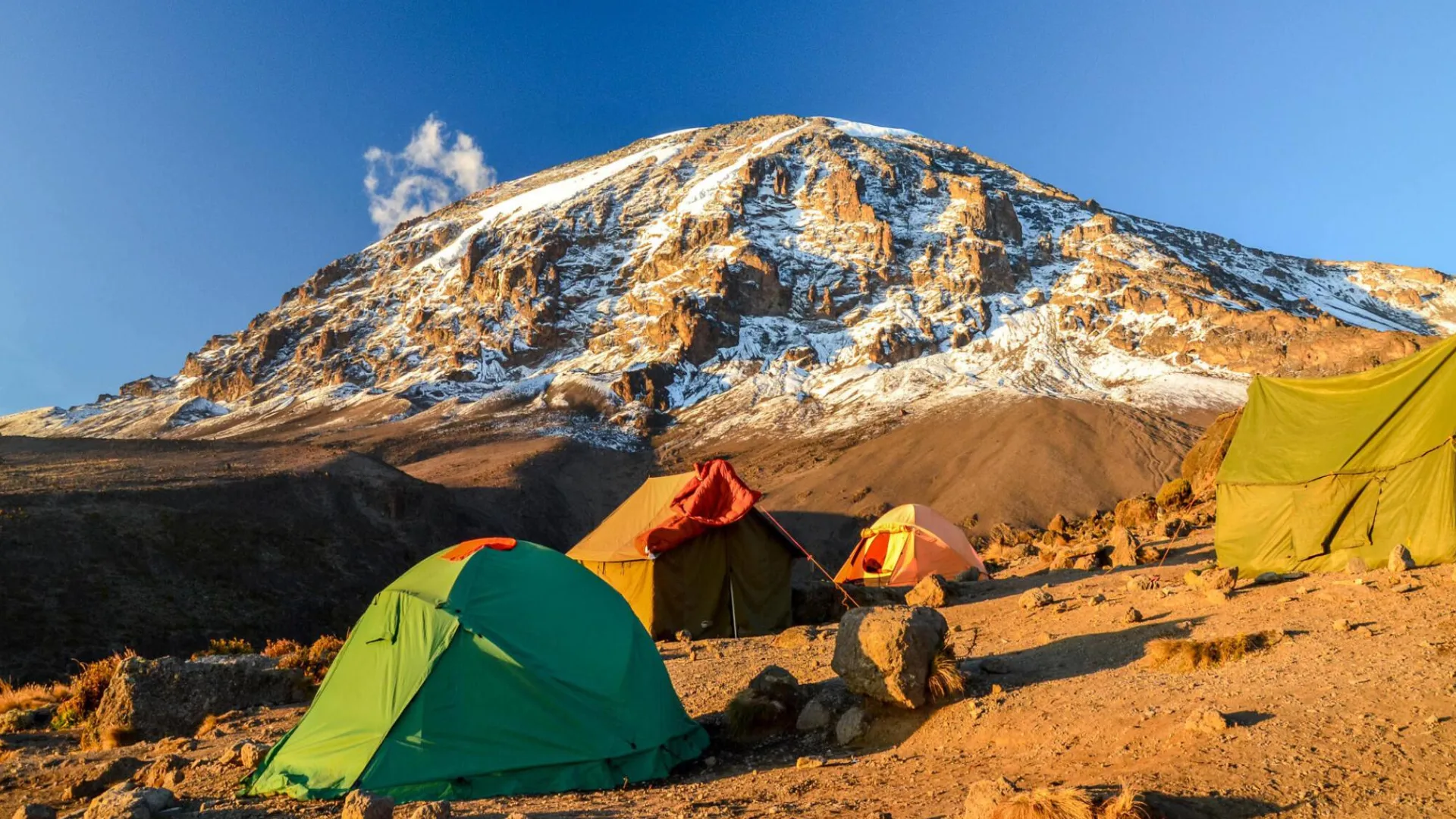
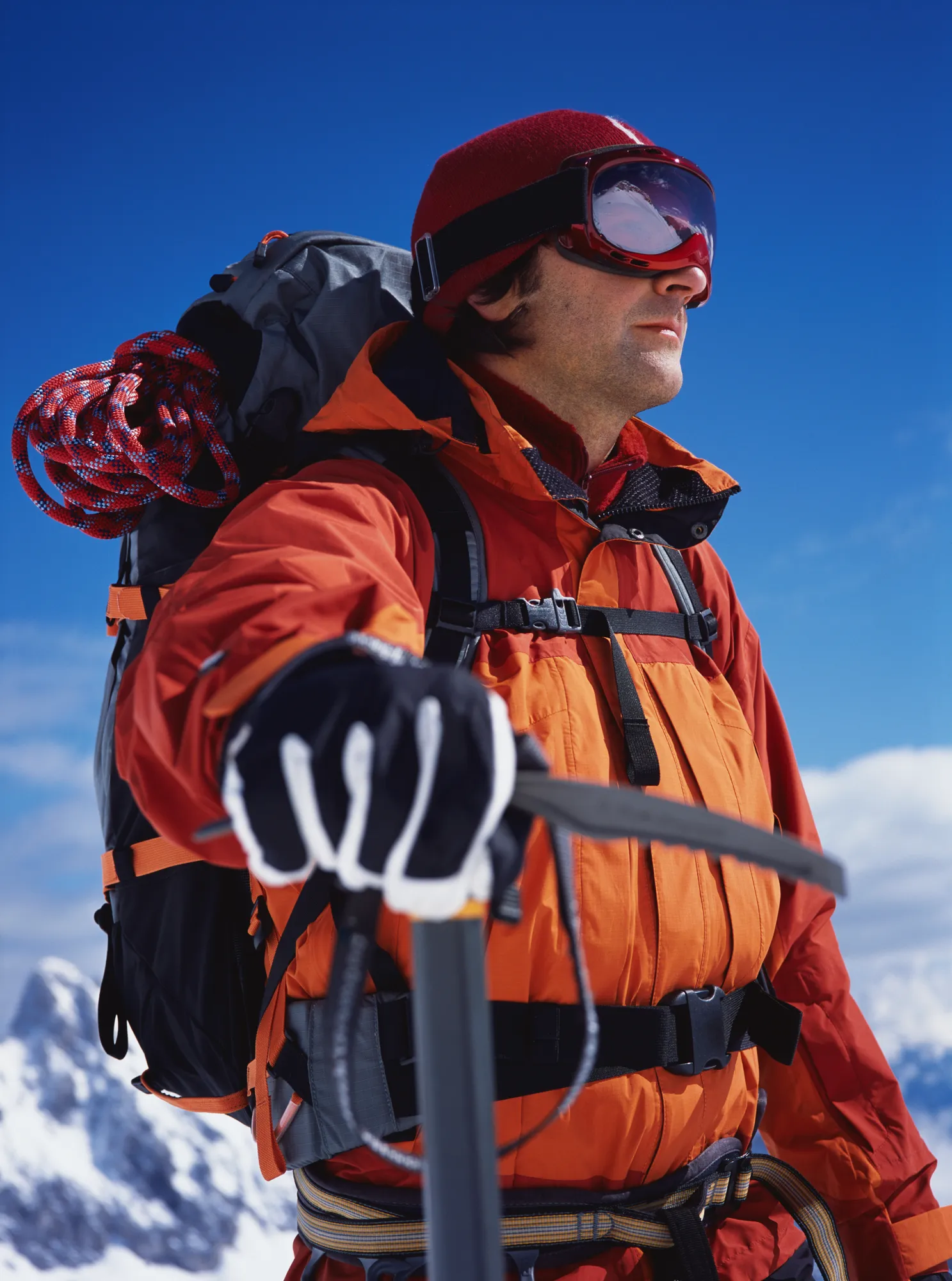
Rising from the plains of northern Tanzania, Kilimanjaro is the highest mountain in Africa and the tallest free-standing mountain in the world. Its three volcanic cones, Kibo, Mawenzi,, and Shira, tower above farmland and forest, and its snow-capped summit can be seen from far across the savannah.
Climbers pass through five distinct climate zones on the way up, from lush rainforest and moorland to alpine desert and the icy summit zone, all without technical climbing skills. Protected as a national park since 1973 and a UNESCO World Heritage Site since 1987, the mountain is a place of challenge, scenery, and quiet reward.
The park encompasses diverse ecosystems, from lush montane forests teeming with wildlife to alpine deserts and the snow-capped summit of Uhuru Peak at 5,895 meters above sea level.
7 daysSteep, scenic and full of drama, it is one of the mountain’s most popular trails through forest and across the Shira Plateau and the Barranco Wall.
Book This Tour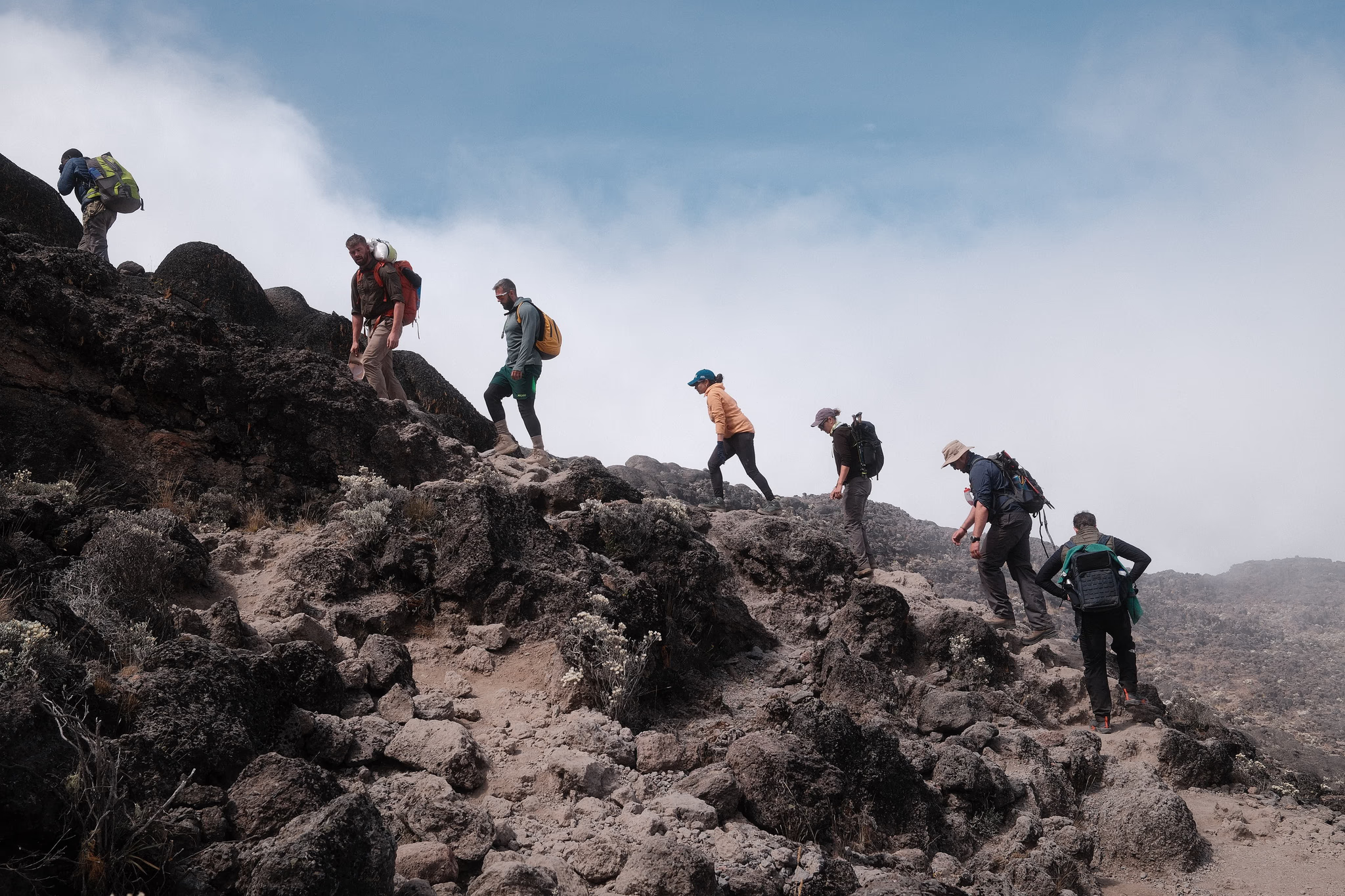 7 days
A quiet western approach with beautiful scenery and a gradual mountain climb that supports strong acclimatization.
Book This Tour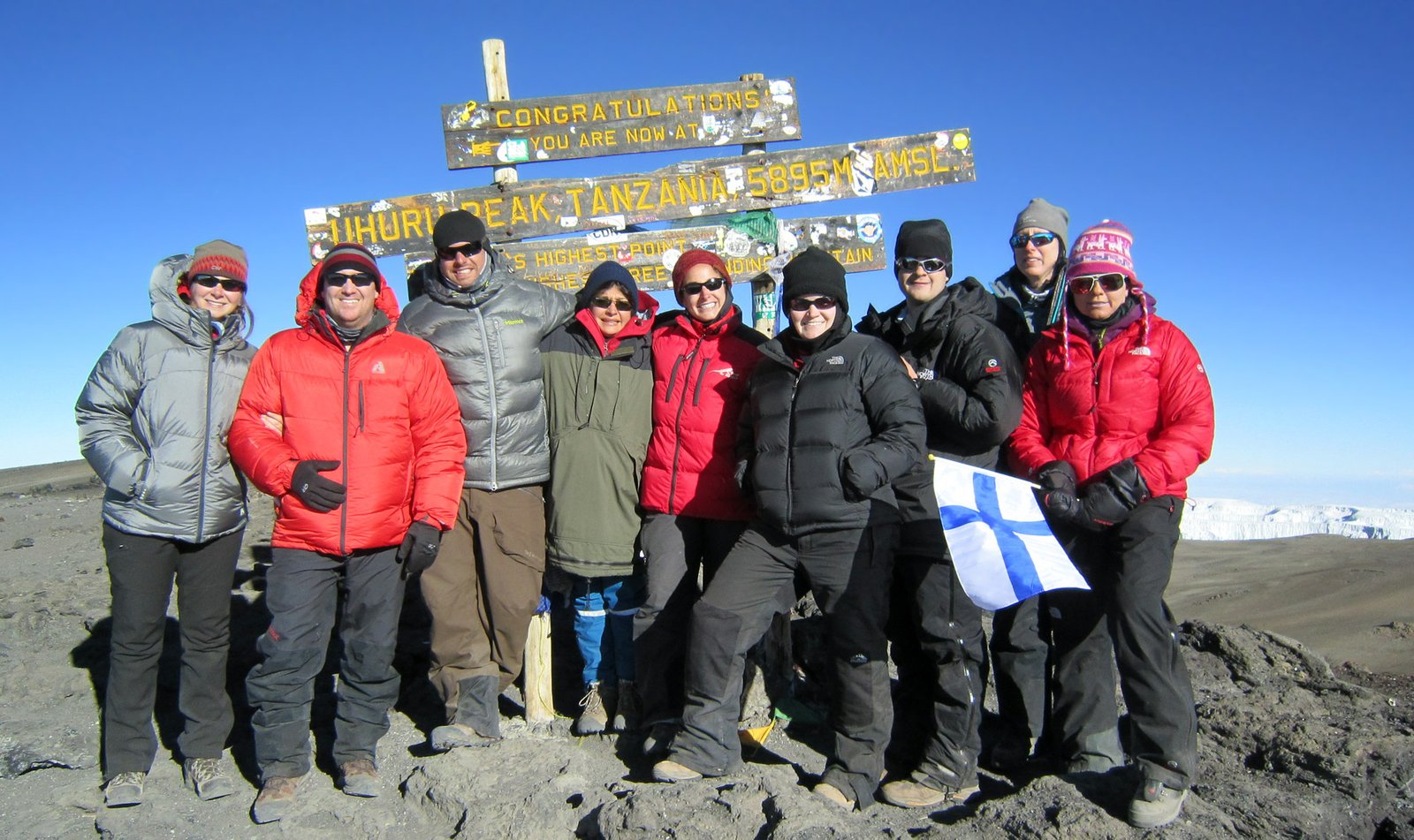 7 days
The only Kilimanjaro route with sleeping huts, offering a steady ascent through rainforest, moorland, and alpine terrain.
Book This Tour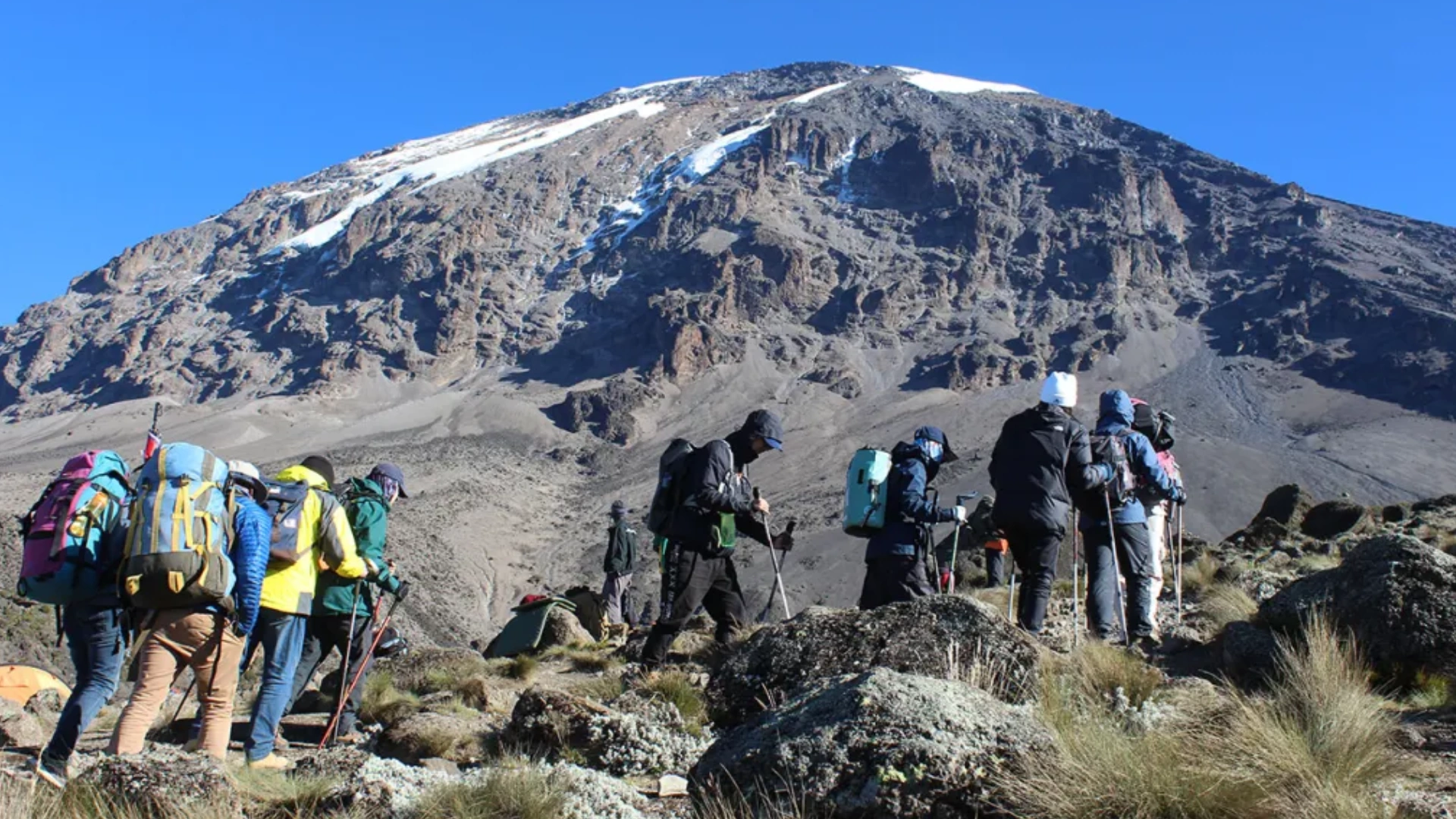 7 days
A remote, quiet approach from the north, usually drier than the other routes, is ideal for travelers who prefer solitude with a view.
Book This Tour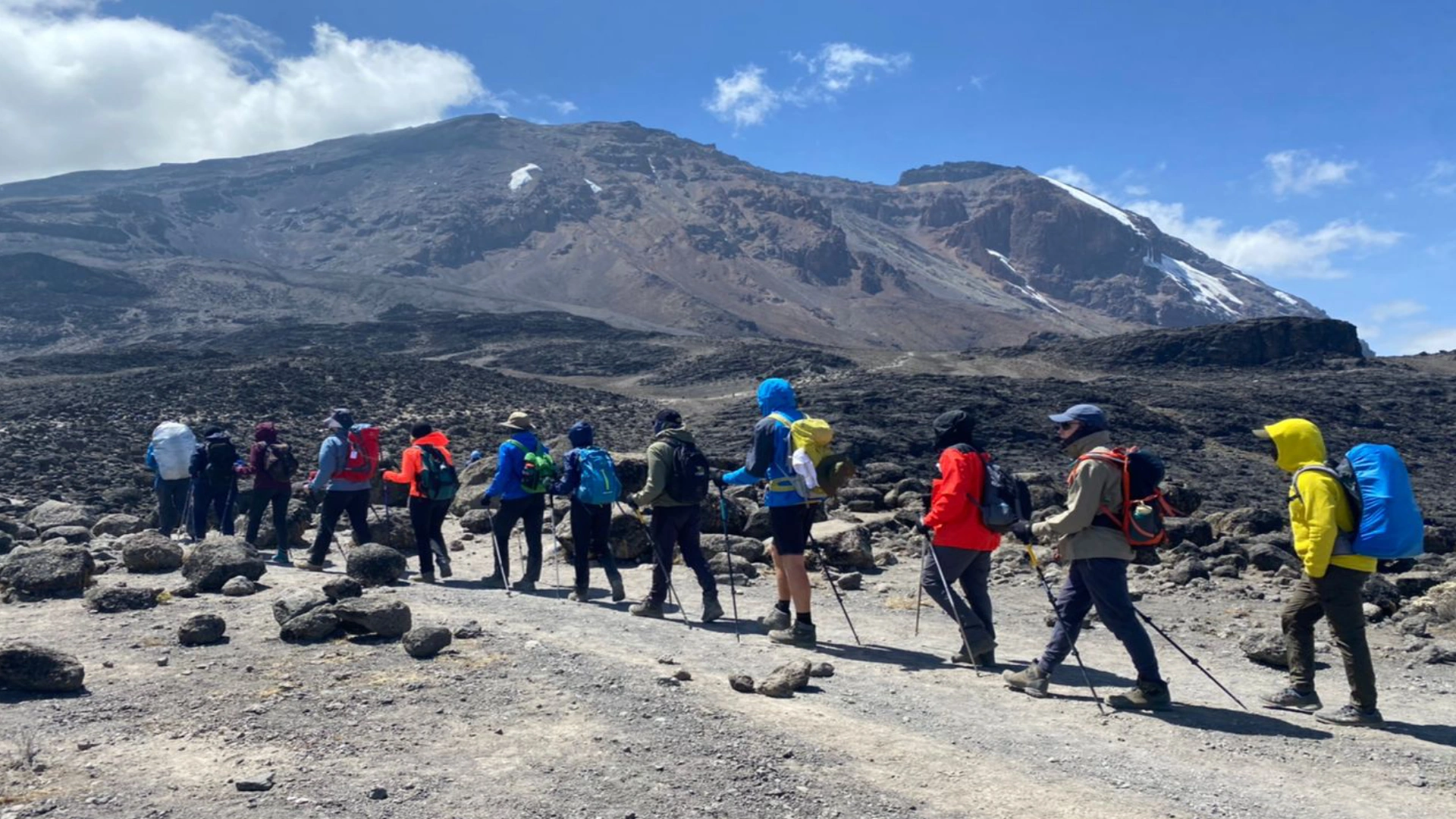 9 days
The best route for those who want the full mountain experience, more days, more views, and the best chance of success.
Book This Tour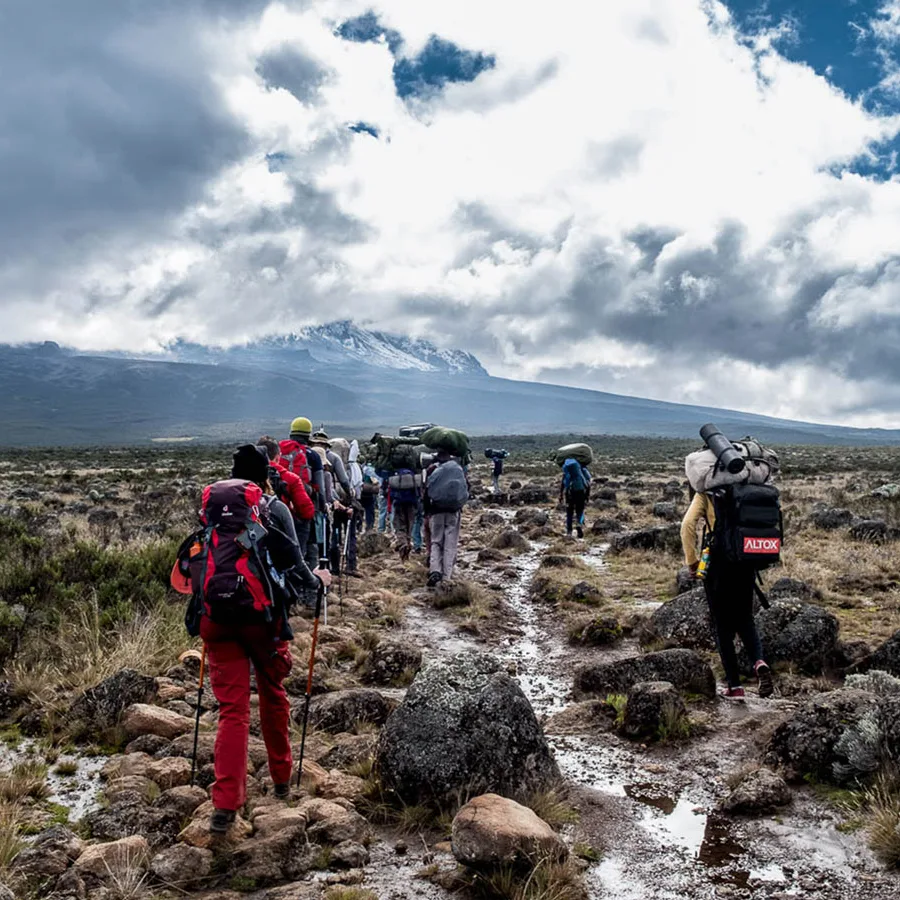 1 day
Walk on the high moorland for views of Kibo and its glaciers on a clear day, a useful acclimatisation day before a climb.
Book This Tour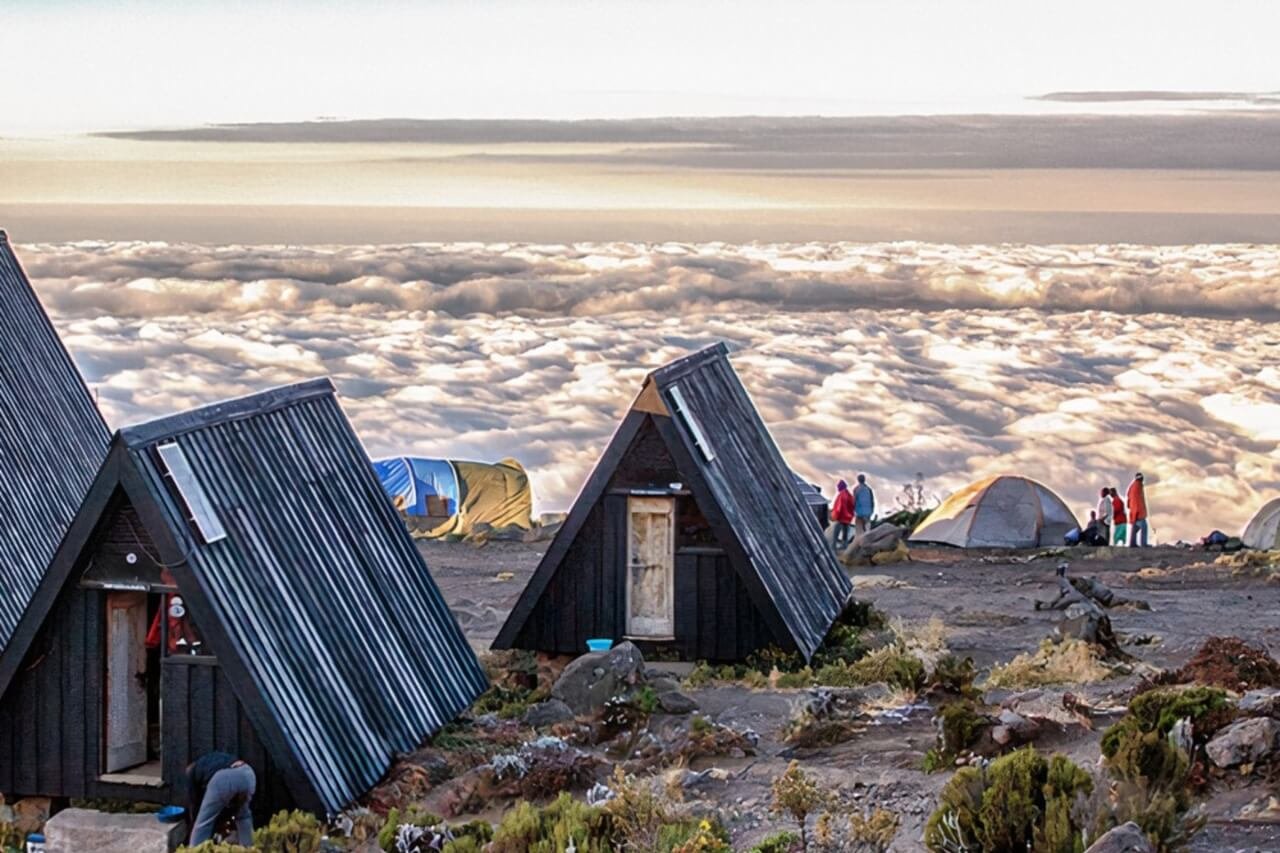 Half day
A guided walk through the lower rainforest from Marangu Gate, with colobus monkeys, orchids, and birdlife along the way.
Book This Tour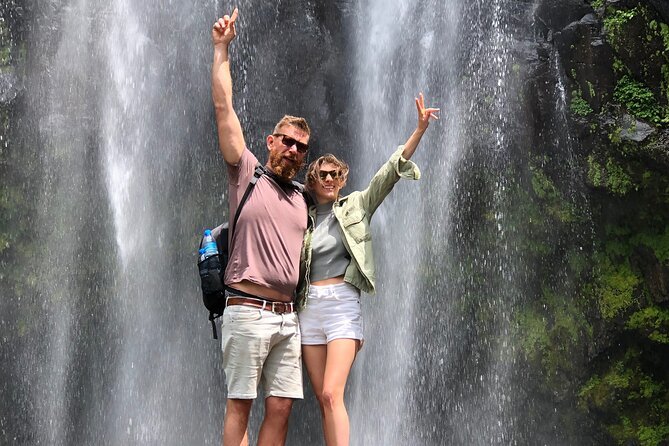 1 day
Walk through Chagga farmland to the Materuni Waterfalls, then roast, grind, and taste coffee with a local family.
Book This TourKilimanjaro can be climbed most of the year. The dry seasons bring clearer skies and better trekking conditions, while the rainy seasons bring lush forests, fewer climbers, and occasional clear spells.
The first dry season brings warmer days and clear mornings. Summit nights are still very cold, and trails are less crowded.
Dry & quieterHeavy rain, clouds, and slippery trails. The mountain is quiet, but conditions are tough, so most climbers avoid this period.
Wet seasonDry, clear weather with cold nights. A very popular window with excellent views from the upper slopes.
Peak seasonStable weather with clear skies, busy in early September and easing towards the end of October.
Peak seasonAfternoon showers and clouds are common. Fewer climbers, and the forest is lush, with clear spells before the new year.
Quieter seasonChoose from mountain huts and camps along the climbing routes to comfortable hotels and lodges or budget stays in nearby towns.
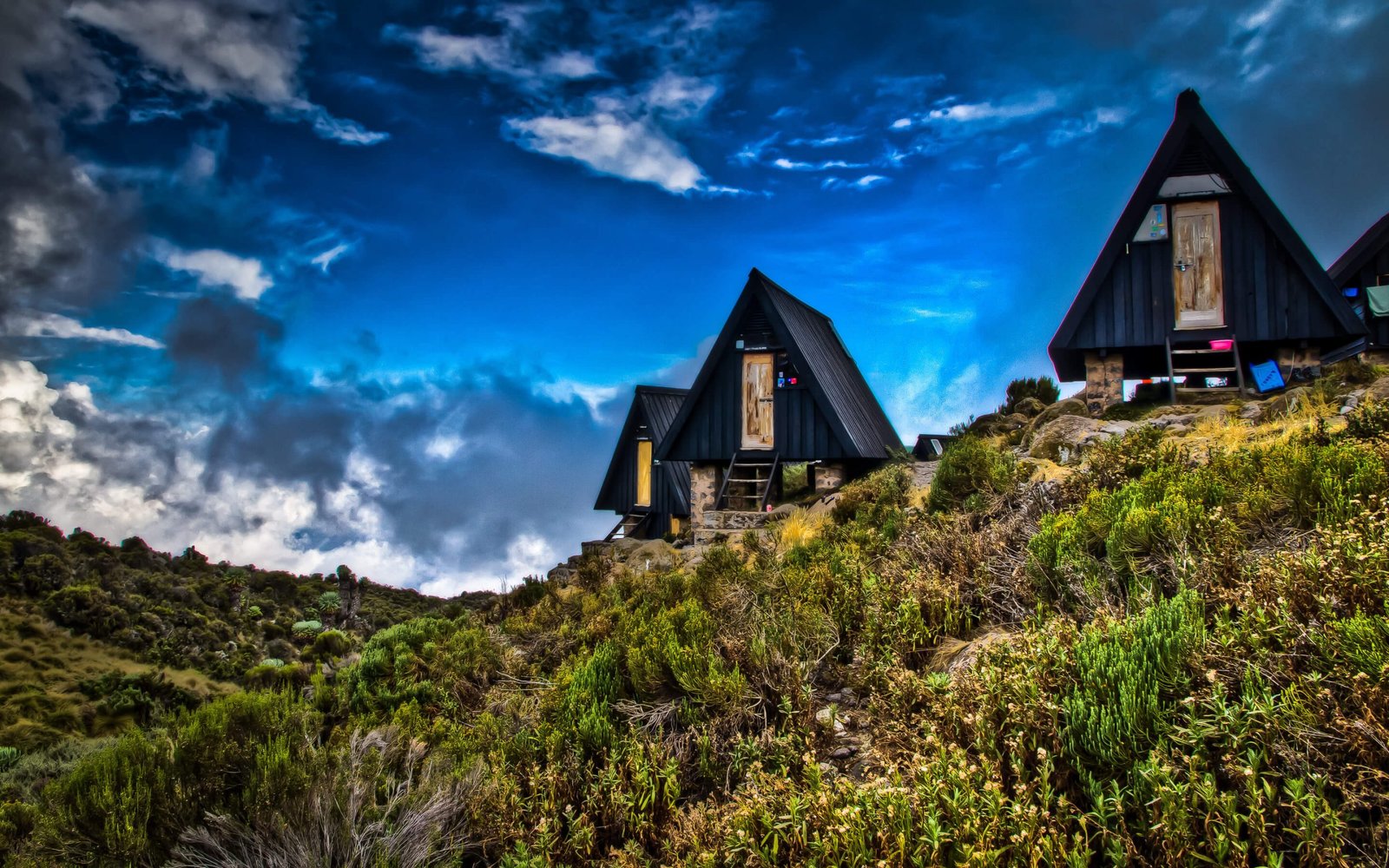 On the Marangu Route
Marangu Mountain Huts offer shared accommodation along the Marangu Route, providing climbers with shelter, beds, and basic facilities during their Kilimanjaro climb.
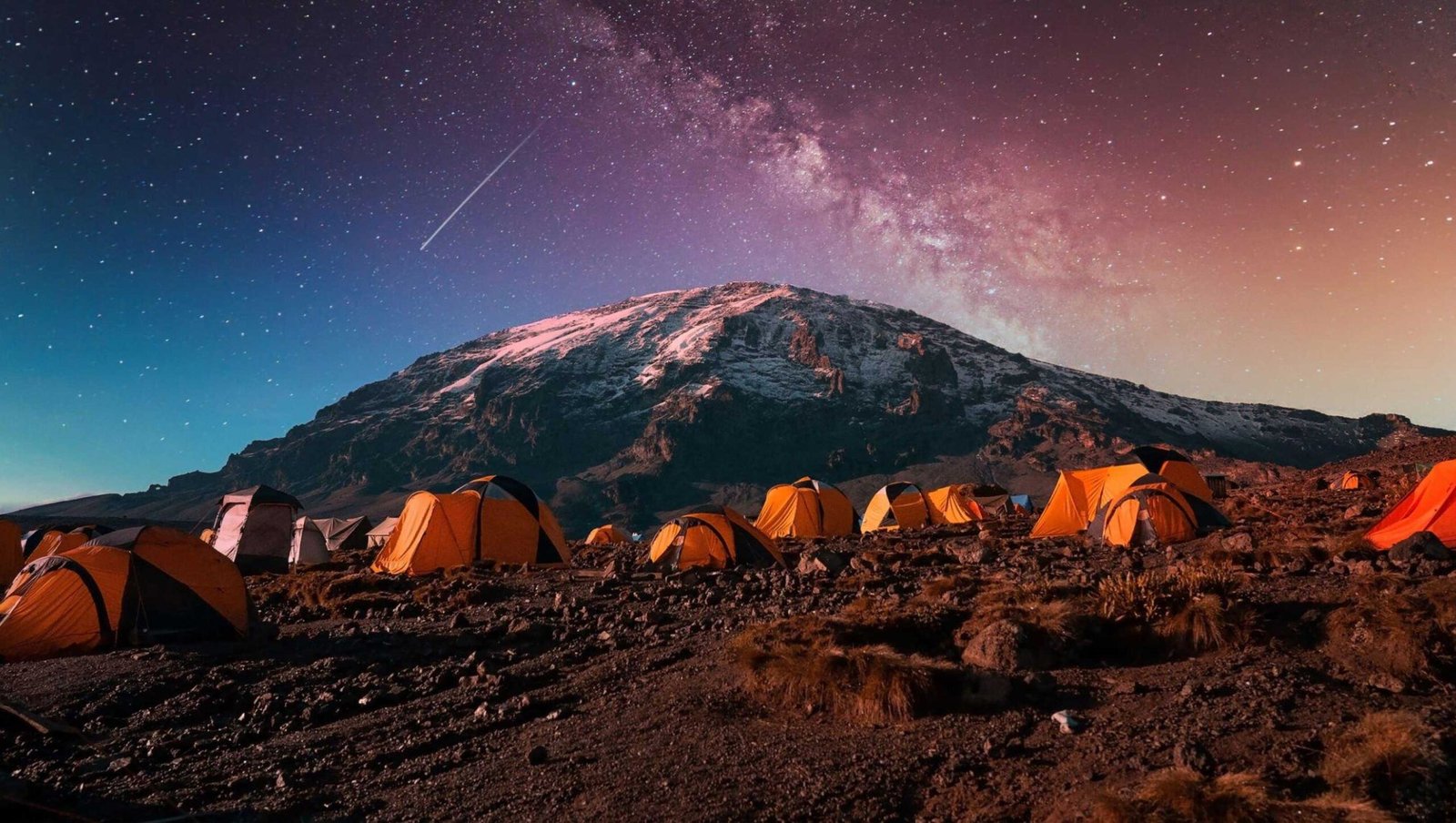 On the mountain
Mountain camps provide tented accommodation along Kilimanjaro’s trekking routes, giving climbers a place to rest, enjoy meals and prepare for the next stage of their ascent.
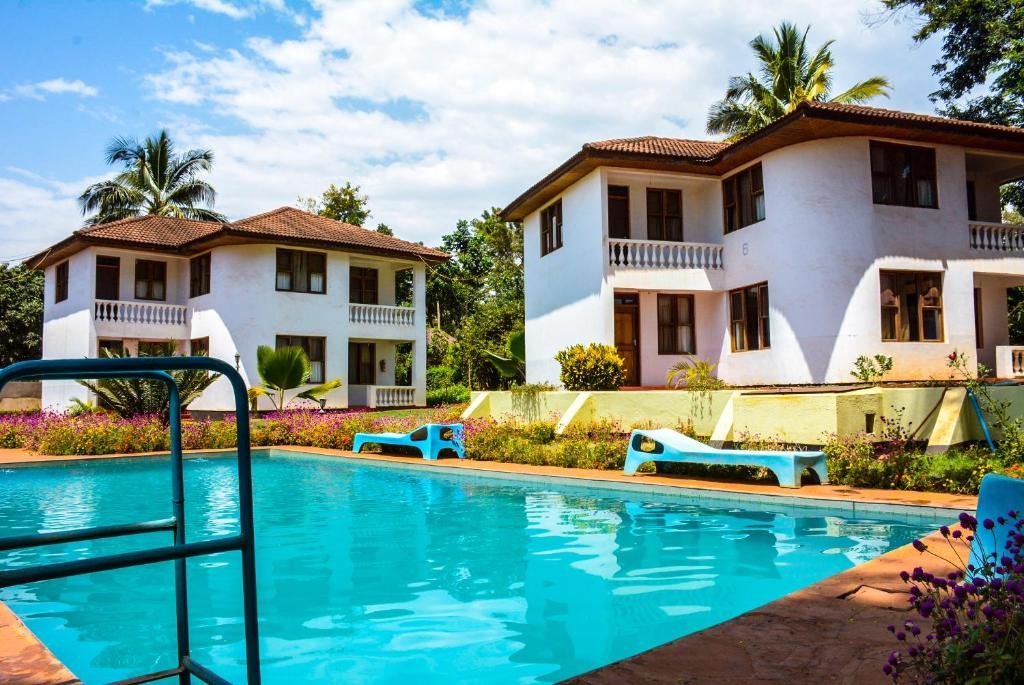 Moshi town
Keys Hotel, Moshi offers comfortable accommodation with a relaxed garden setting, making it a convenient place to rest before or recover after a Kilimanjaro climb.
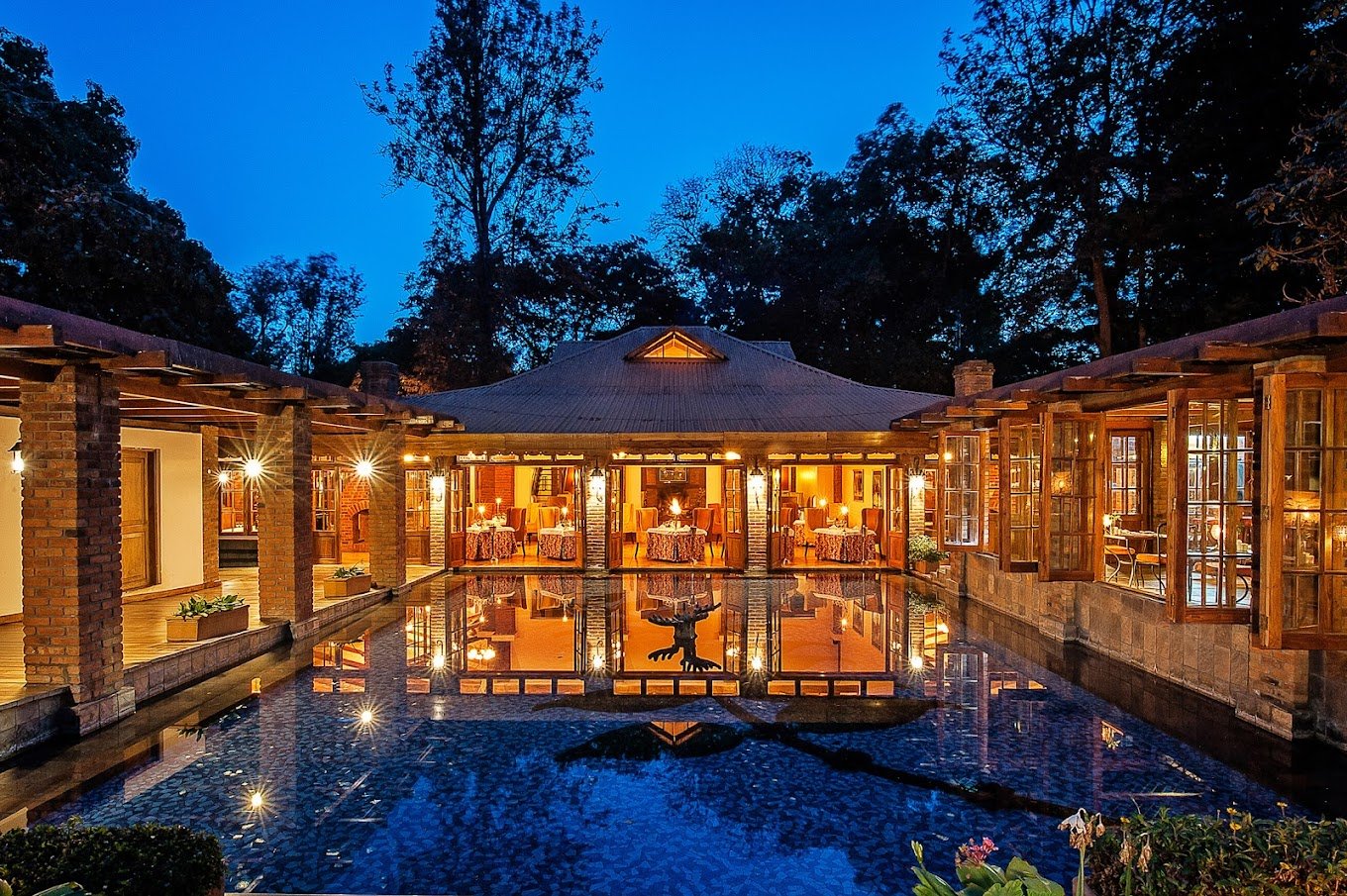 Arusha City
Arusha Coffee Lodge offers a comfortable, upscale retreat surrounded by a working coffee plantation, ideal for relaxing before or after your Kilimanjaro climb.
A few essentials to help you shape the perfect journey.
Northern Tanzania, in the Kilimanjaro Region, close to the towns of Moshi and Marangu.
Marangu, Machame, Londorossi (for Lemosho and Shira), Rongai, Umbwe, and Mweka for the descent. Your route decides your gate.
Fly into Kilimanjaro International Airport, about 45 minutes’ drive from Moshi. Arusha is roughly 1.5 to 2 hours from Moshi by road.
A licensed guide, porters and a park permit are required. You cannot climb Kilimanjaro alone.
Park, camping, or hut, rescue, and crew fees are set by the park authority. Confirm current rates before you travel.
Tell us when you want to climb and what you are hoping for, and we will design your route and your support team.
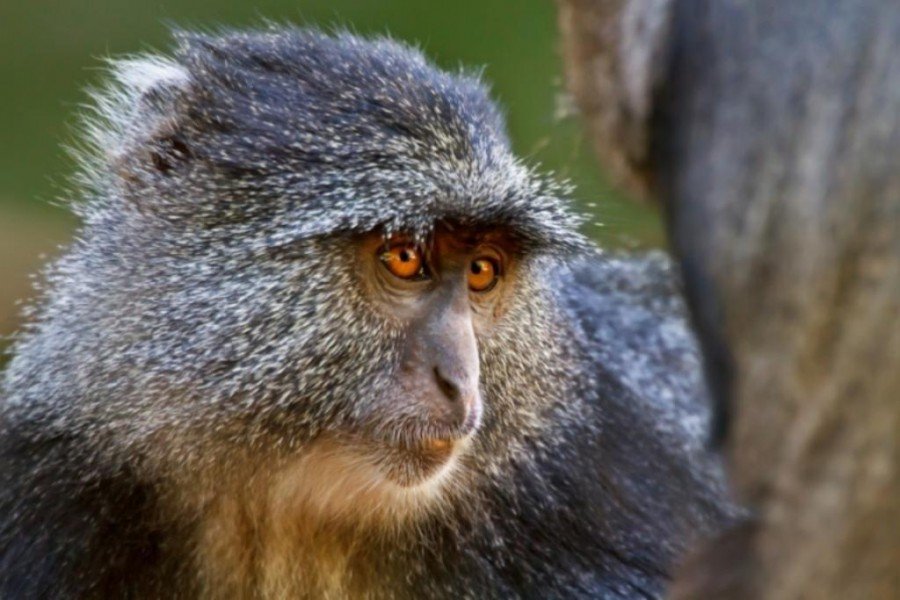
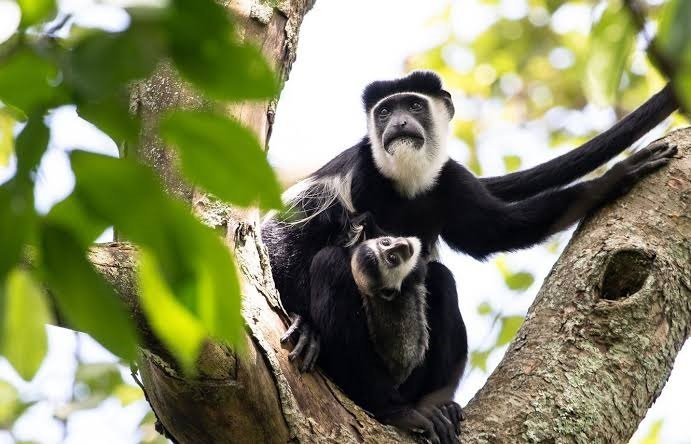
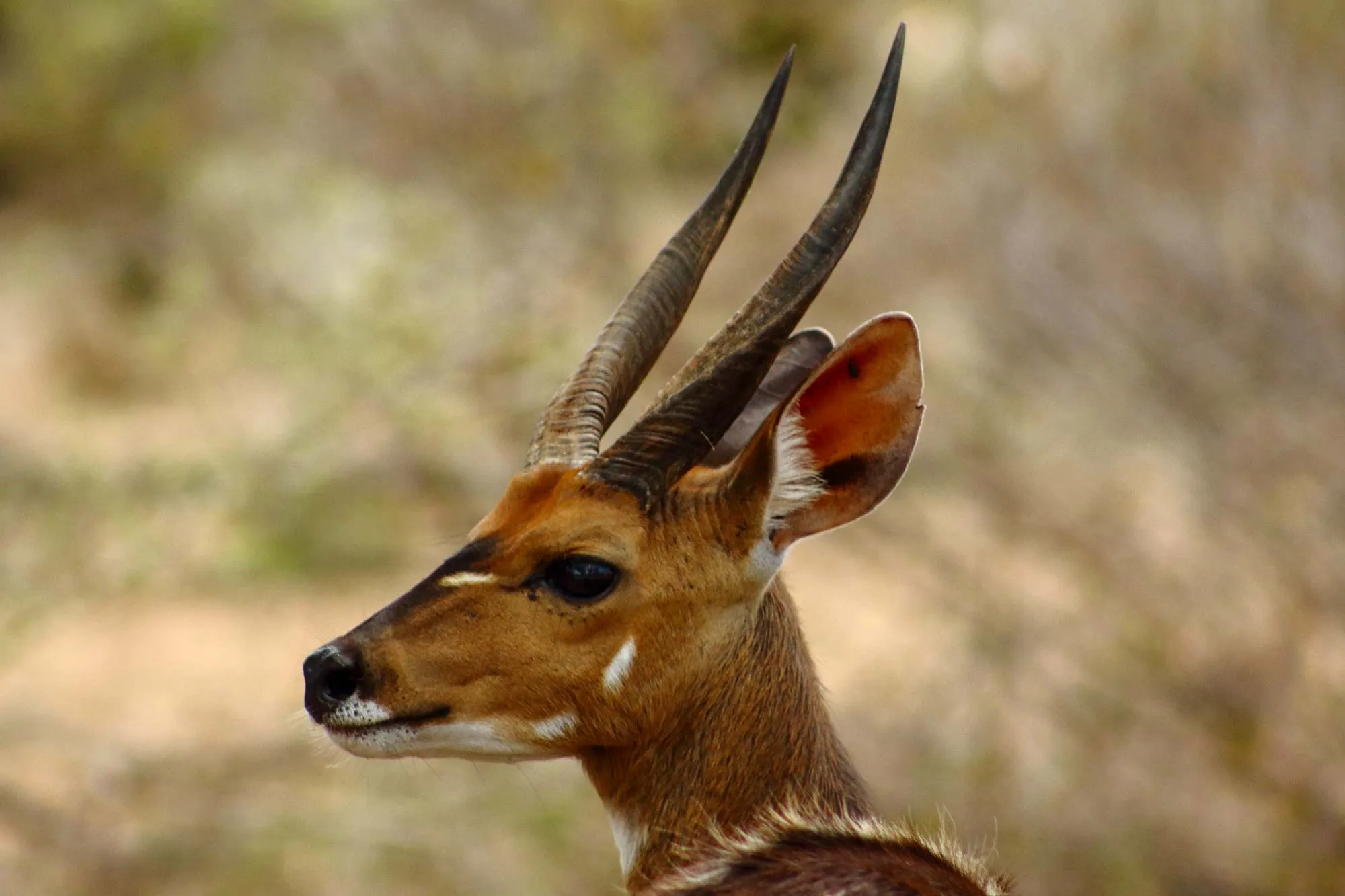
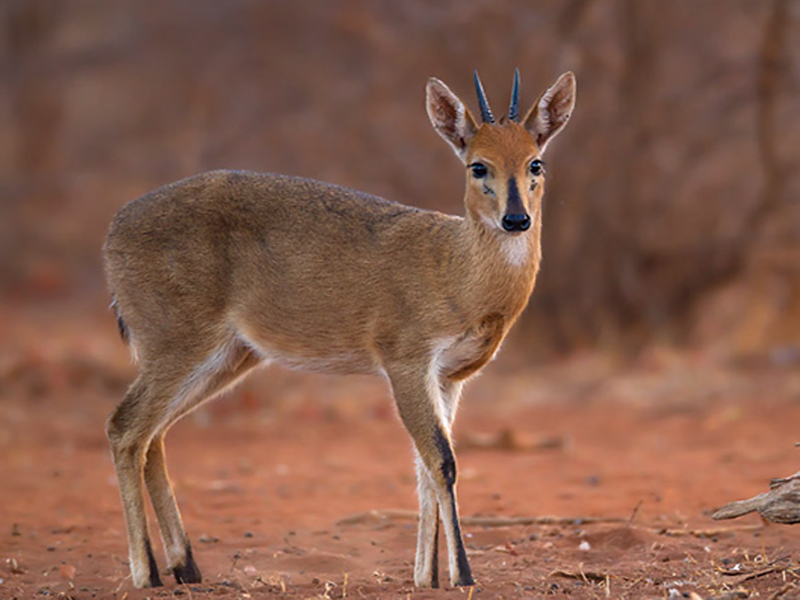
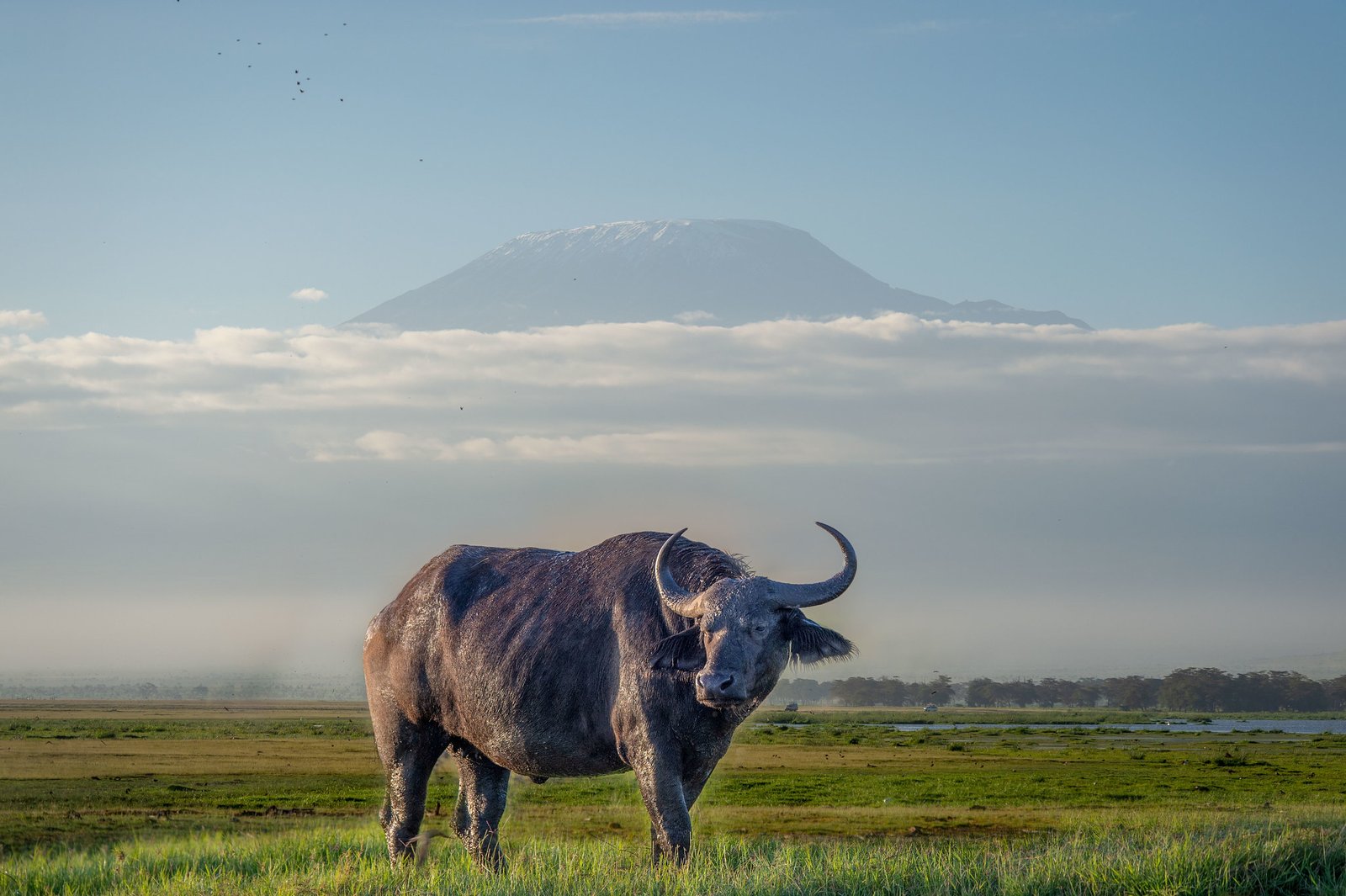
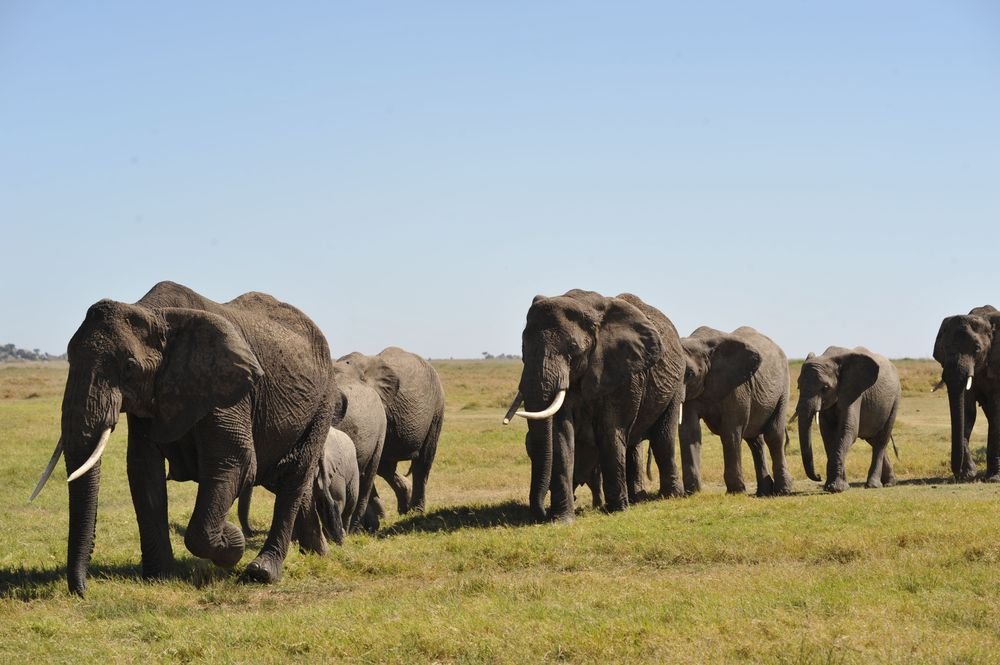
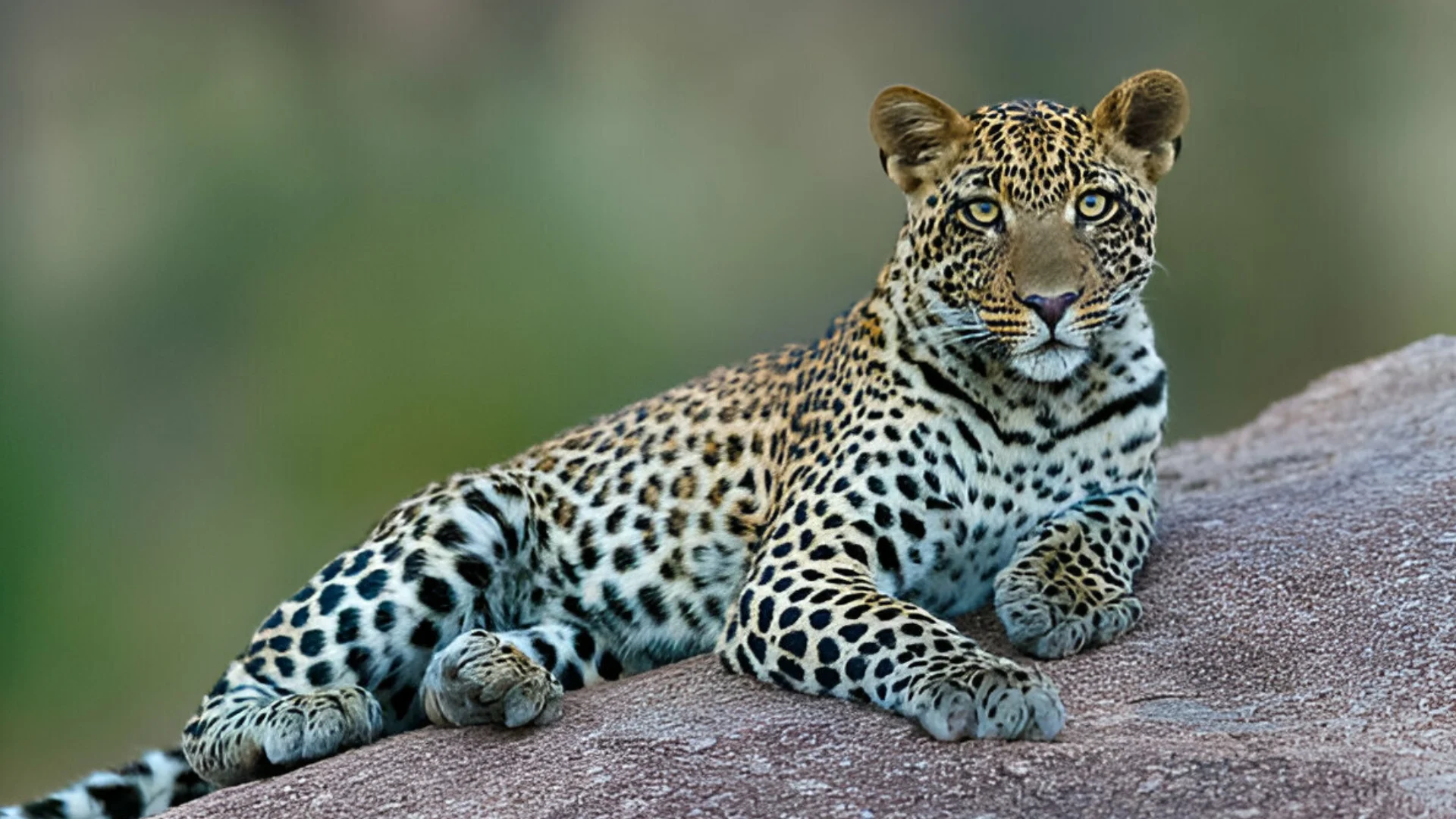
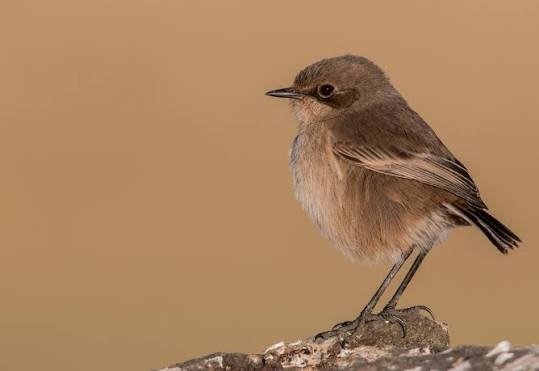
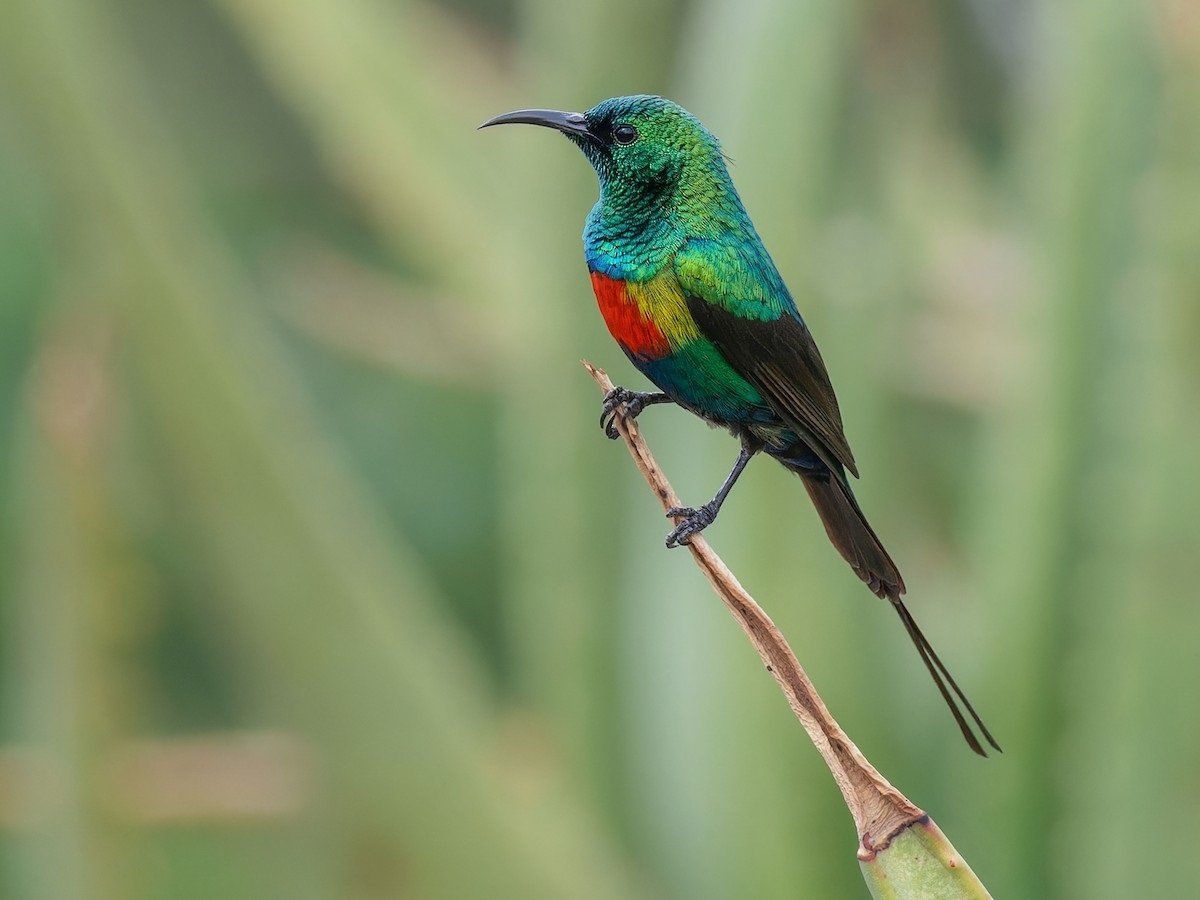
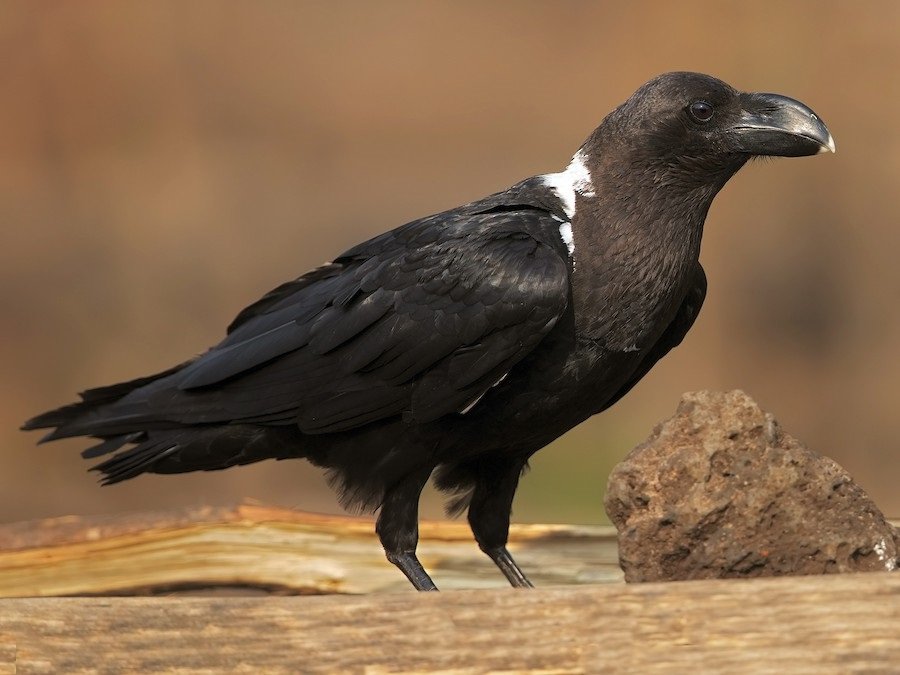
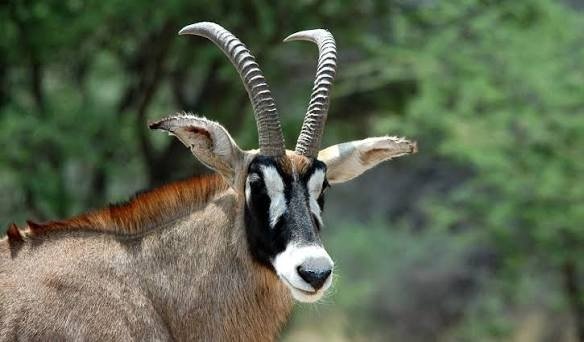
The mountain’s wildlife lives mostly in the forest and moorland zones. Keep your eyes and ears open on the lower slopes.
Pair the Kilimanjaro with neighboring wonders to craft the ultimate northern-circuit Tanzanian safari.
 Northern Circuit
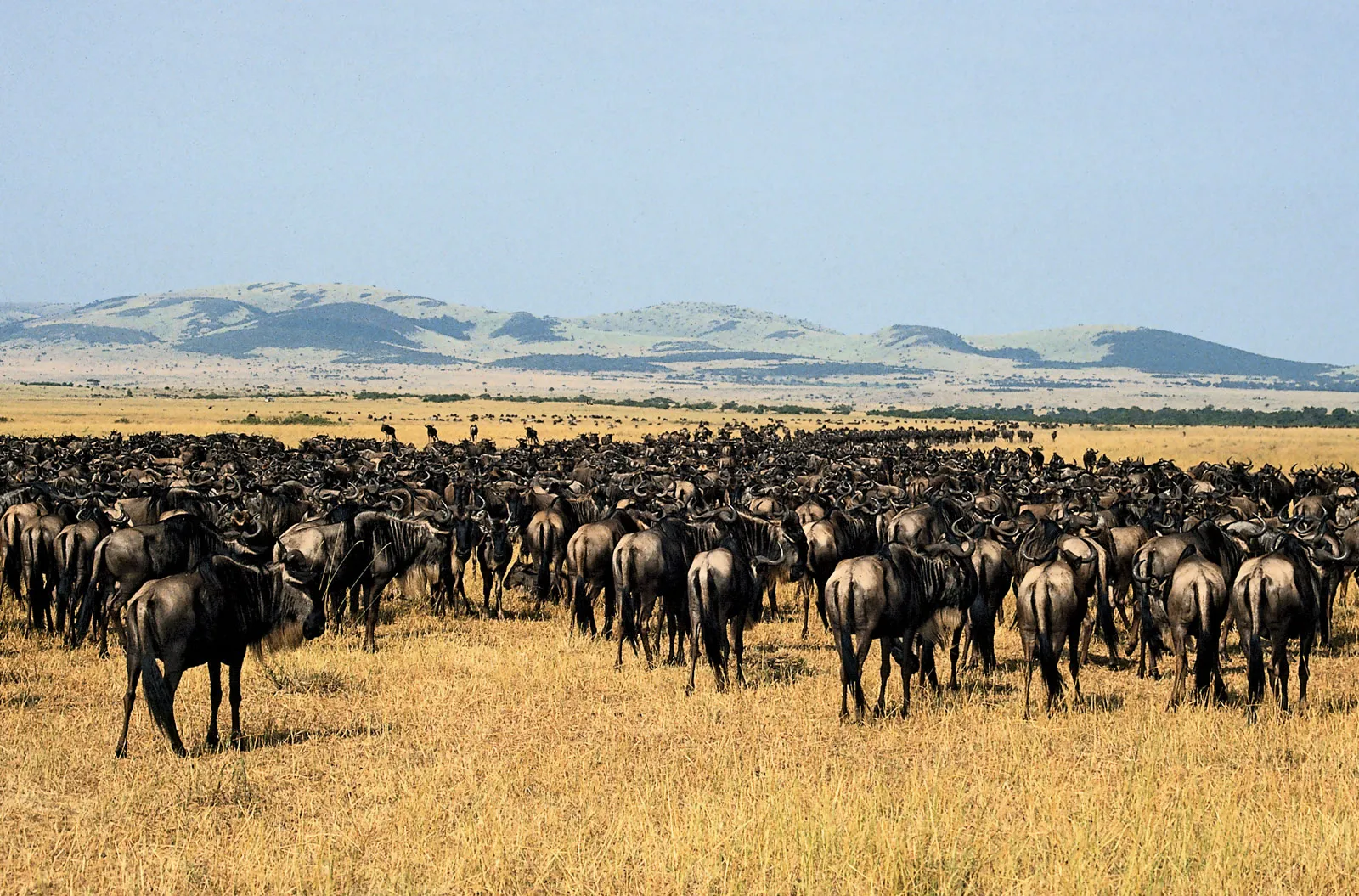
Home to the Great Migration and some of the richest wildlife viewing on Earth.
Explore this Park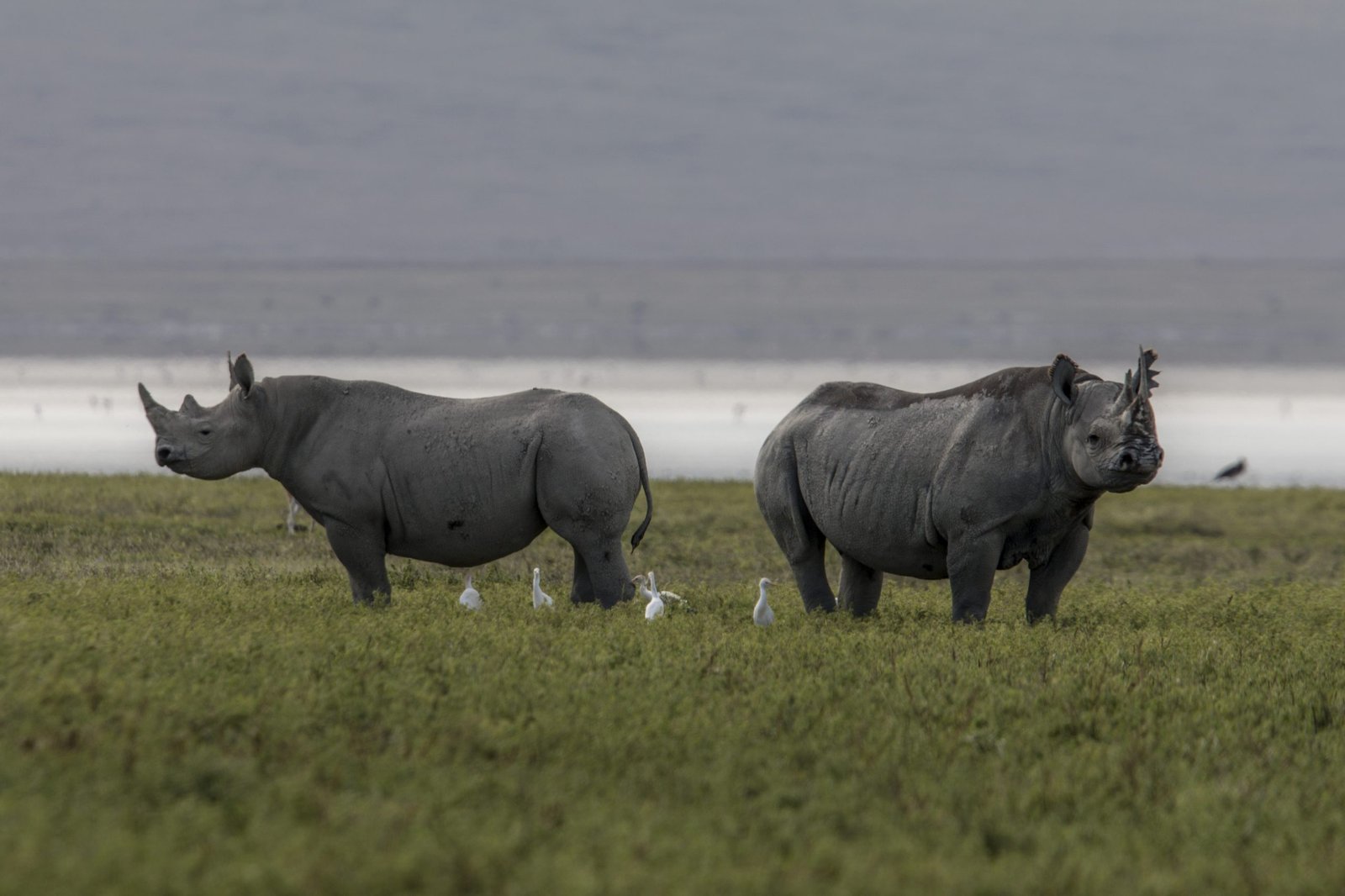 Northern Circuit
A vast volcanic caldera with dense wildlife, including a good chance of seeing a black rhino.
Explore this Park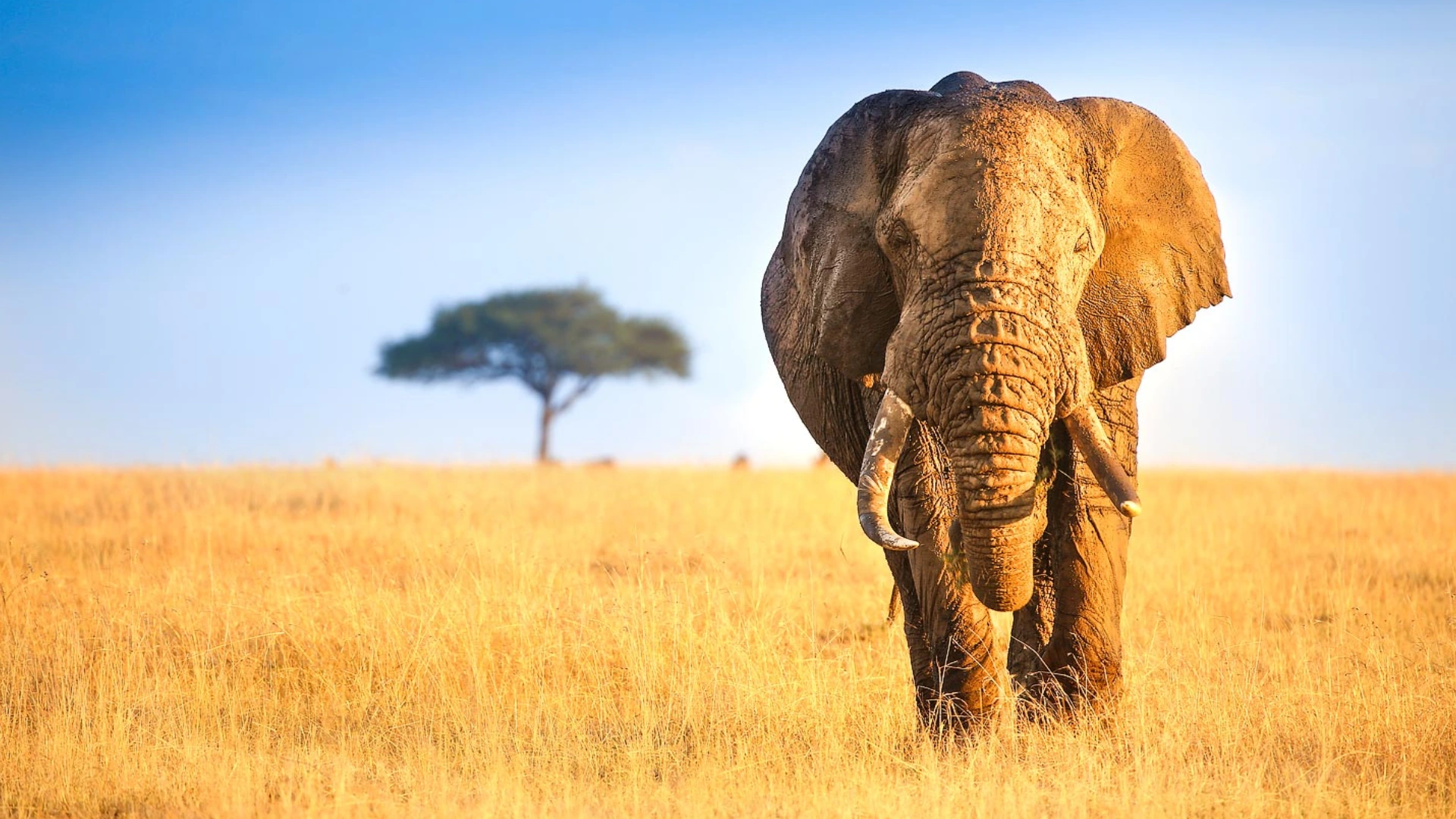 Northern Circuit
Famous for its huge elephant herds and ancient baobab trees, especially in the dry season.
Explore this Park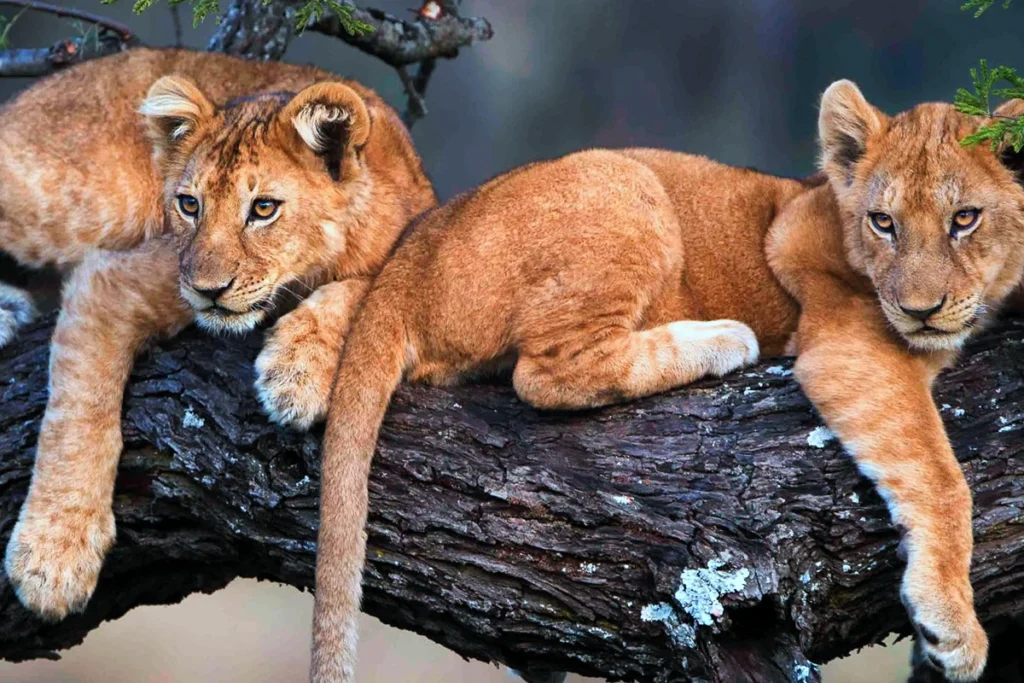 Northern Circuit
A compact park of groundwater forest, soda lake and escarpment views, rich in birds.
Explore this Park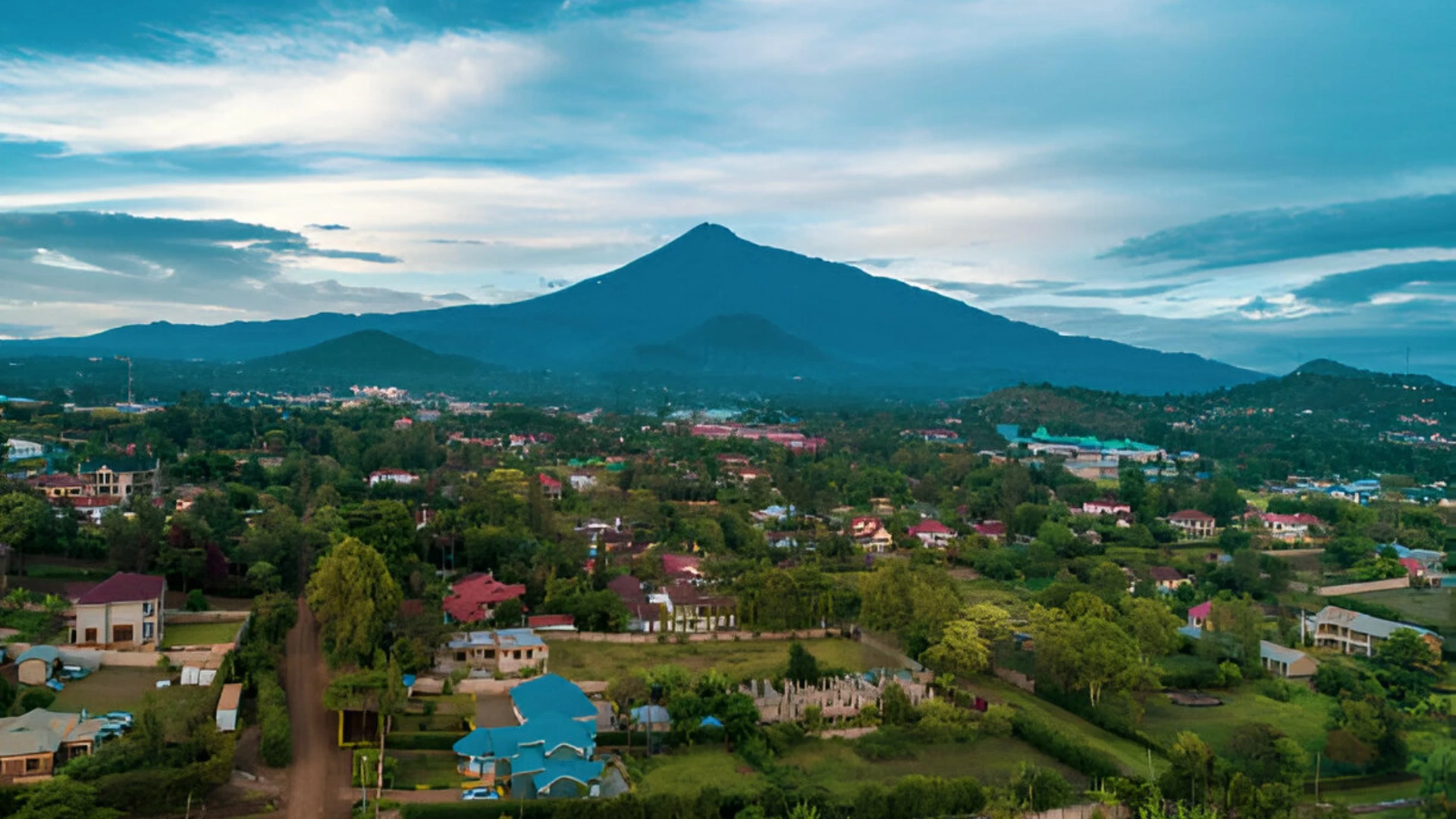 Northern Circuit
Arusha National Park, nestled in northern Tanzania, is a scenic gem known for its striking diversity.
Explore this Park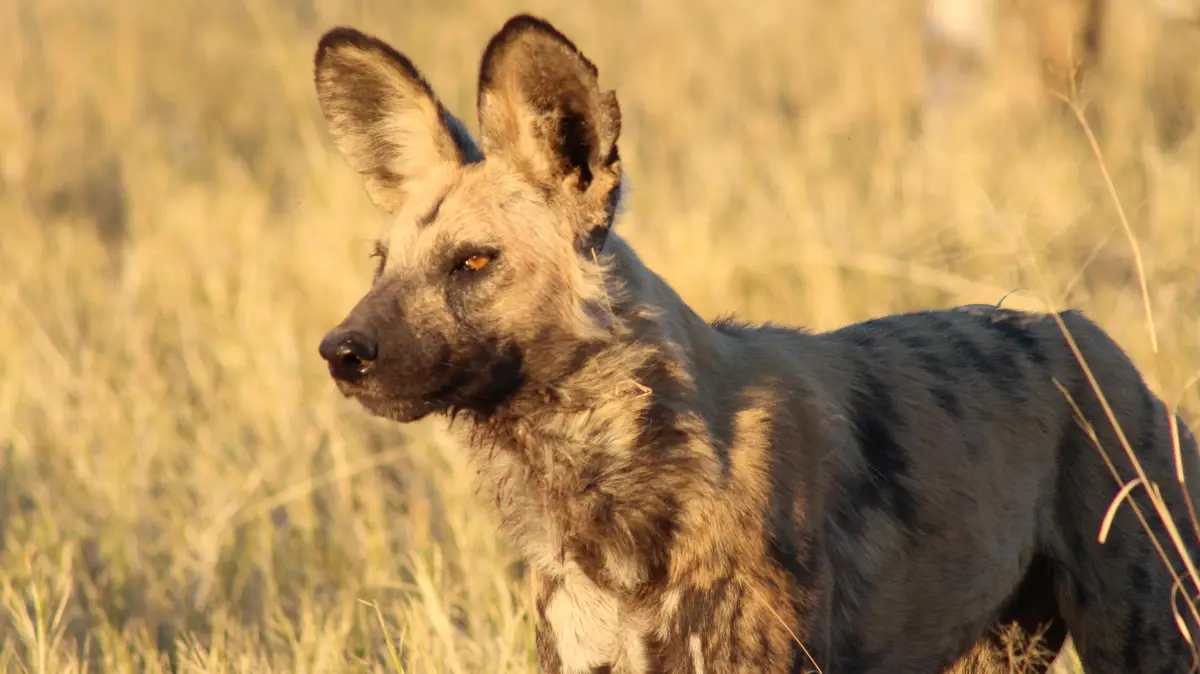 Central-Southern Tanzania
Ruaha National Park is the second largest national park in Tanzania, known for its vast and diverse landscapes.
Explore this Park