Climb Kilimanjaro

Climbing Kilimanjaro Routes, Costs & Safety

Your complete guide to reaching Uhuru Peak at 5,895 m, Africa’s highest point, with routes, costs, success rates and preparation advice from a local team.

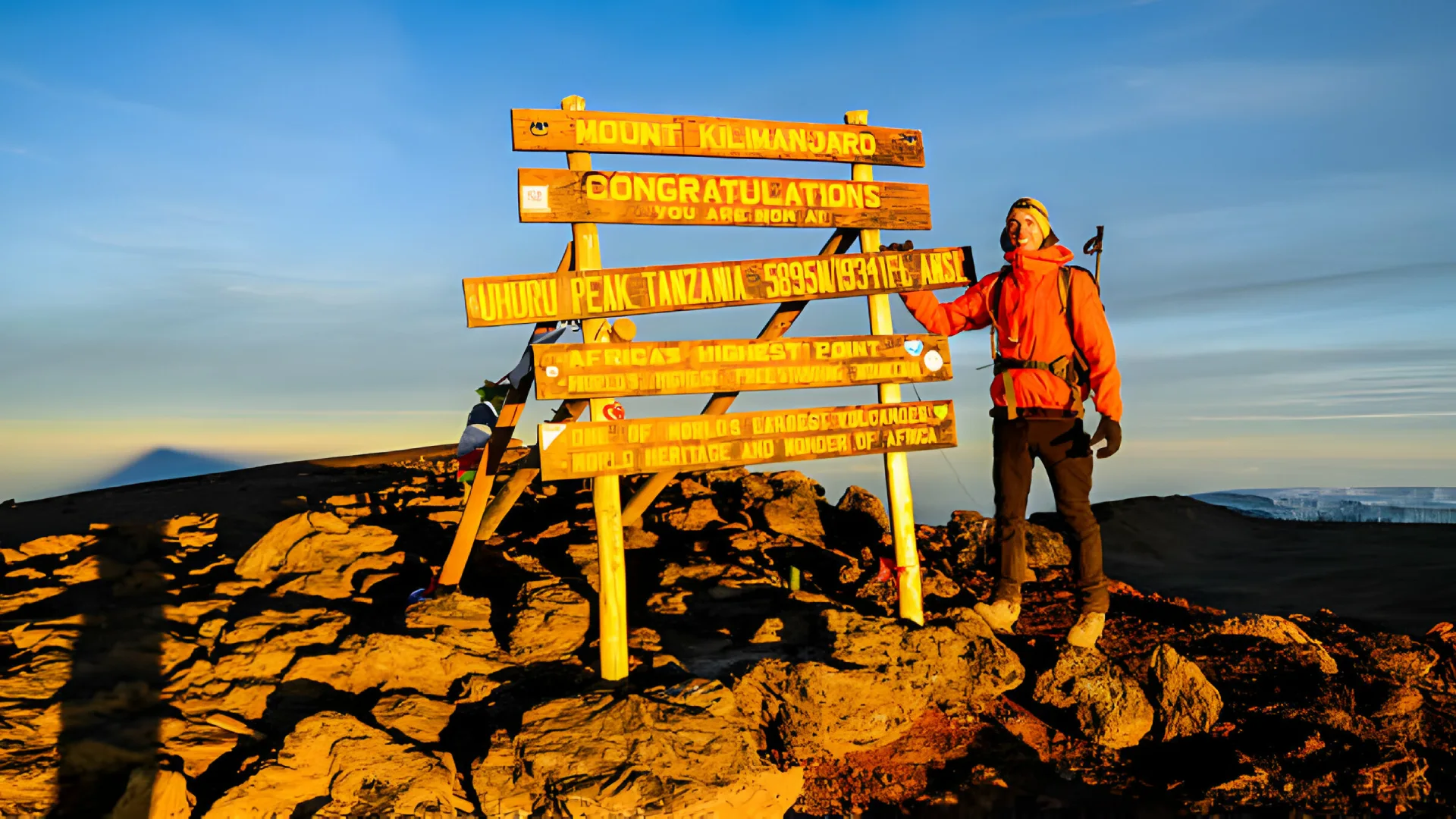
5,895 mUhuru Peak · 19,341 ft
7Main routes
5Climate zones
7–8 daysRecommended climb
The Roof of Africa

No ropes, no technical skill, just the right pace

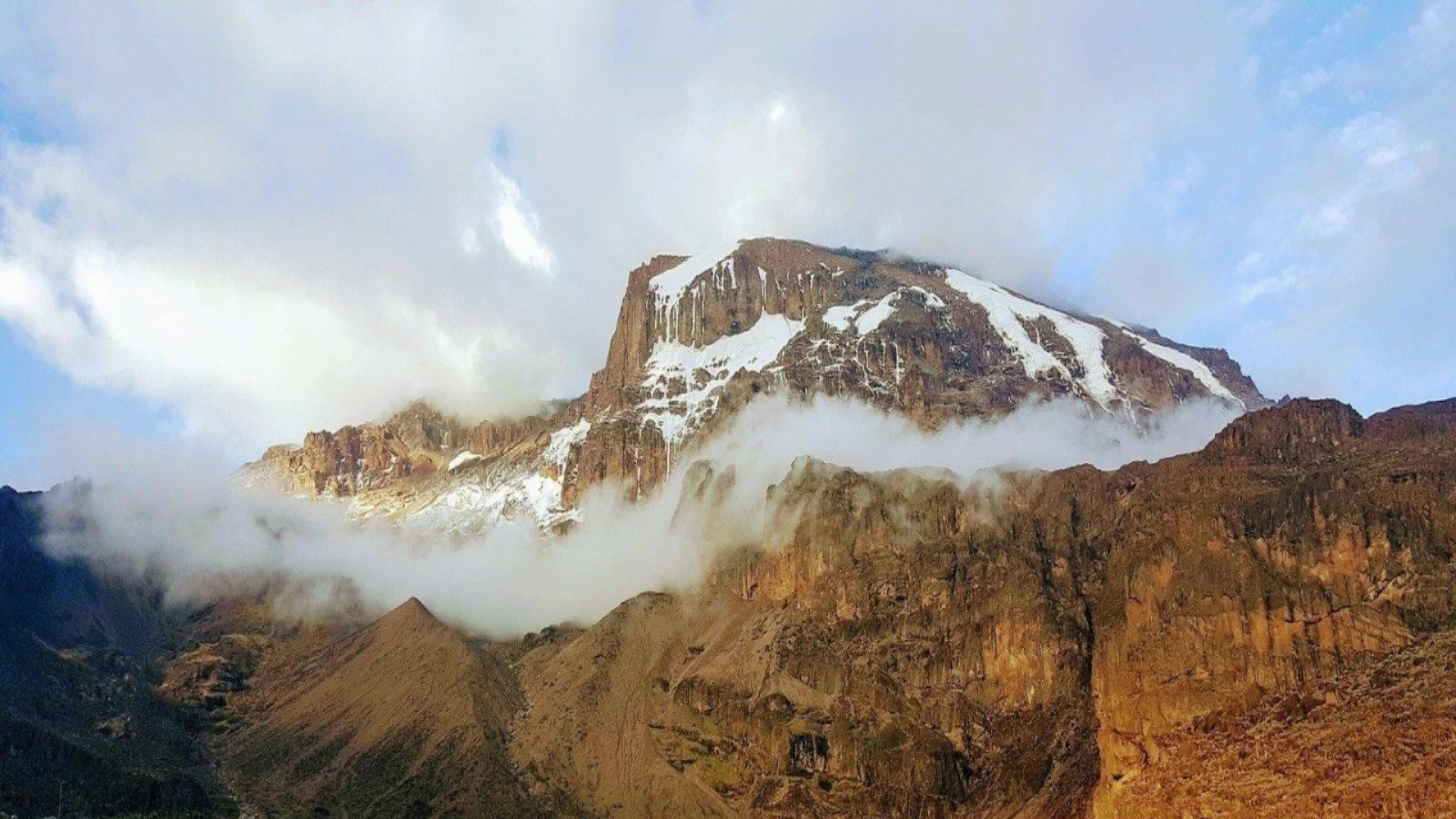
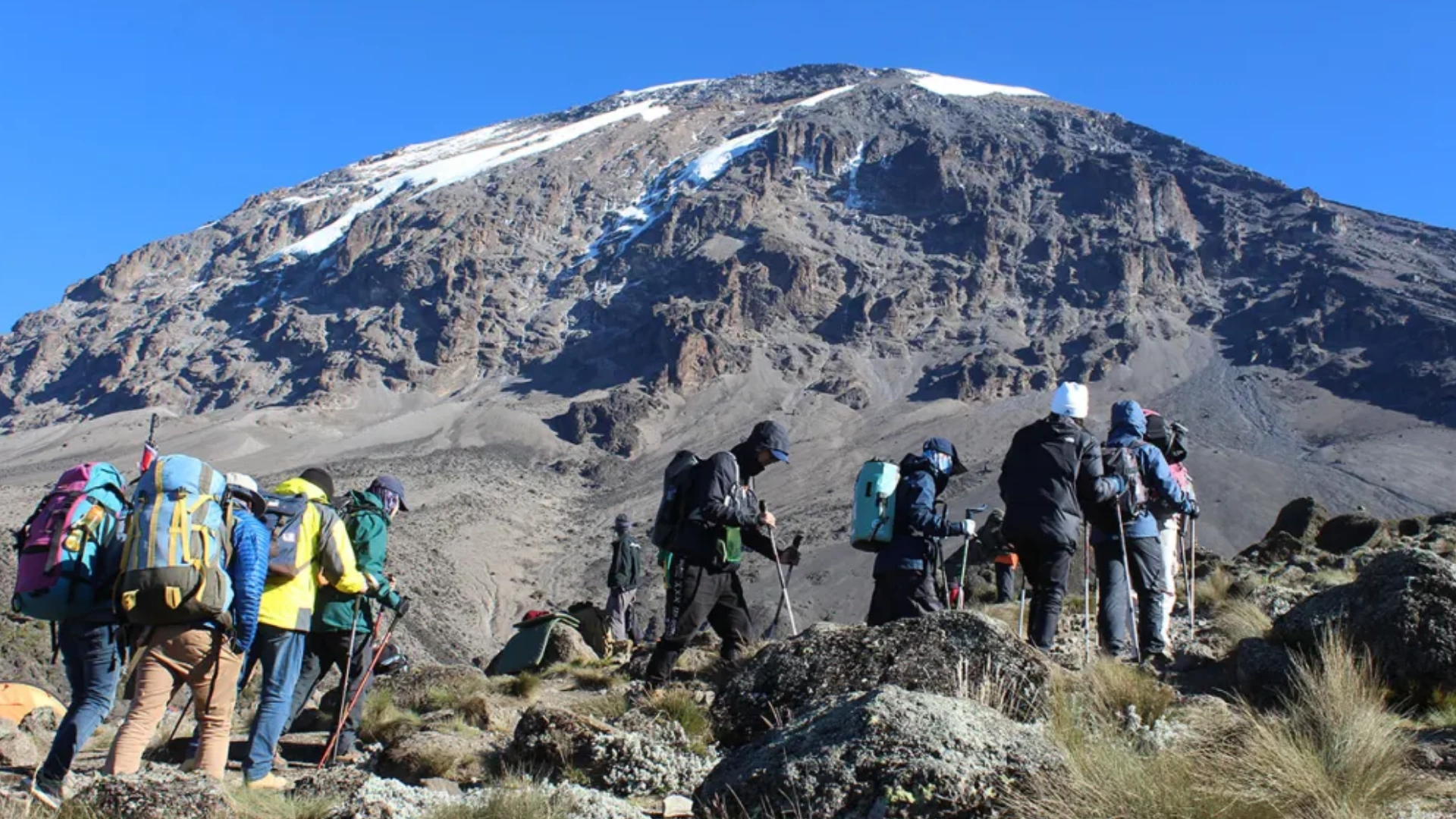
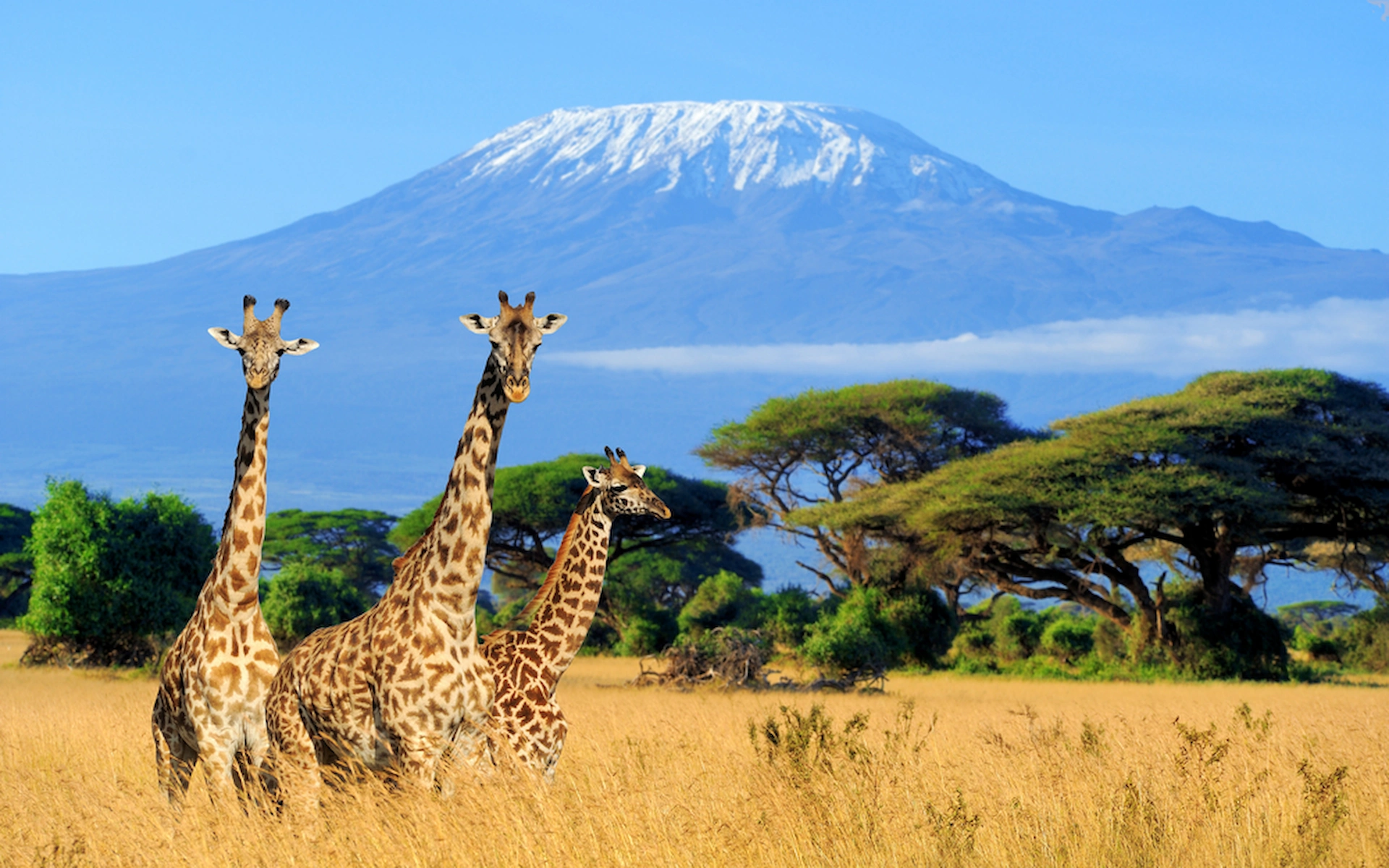
Mount Kilimanjaro rises to 5,895 m (19,341 ft) above sea level, making it the highest mountain in Africa and the tallest free-standing mountain in the world.

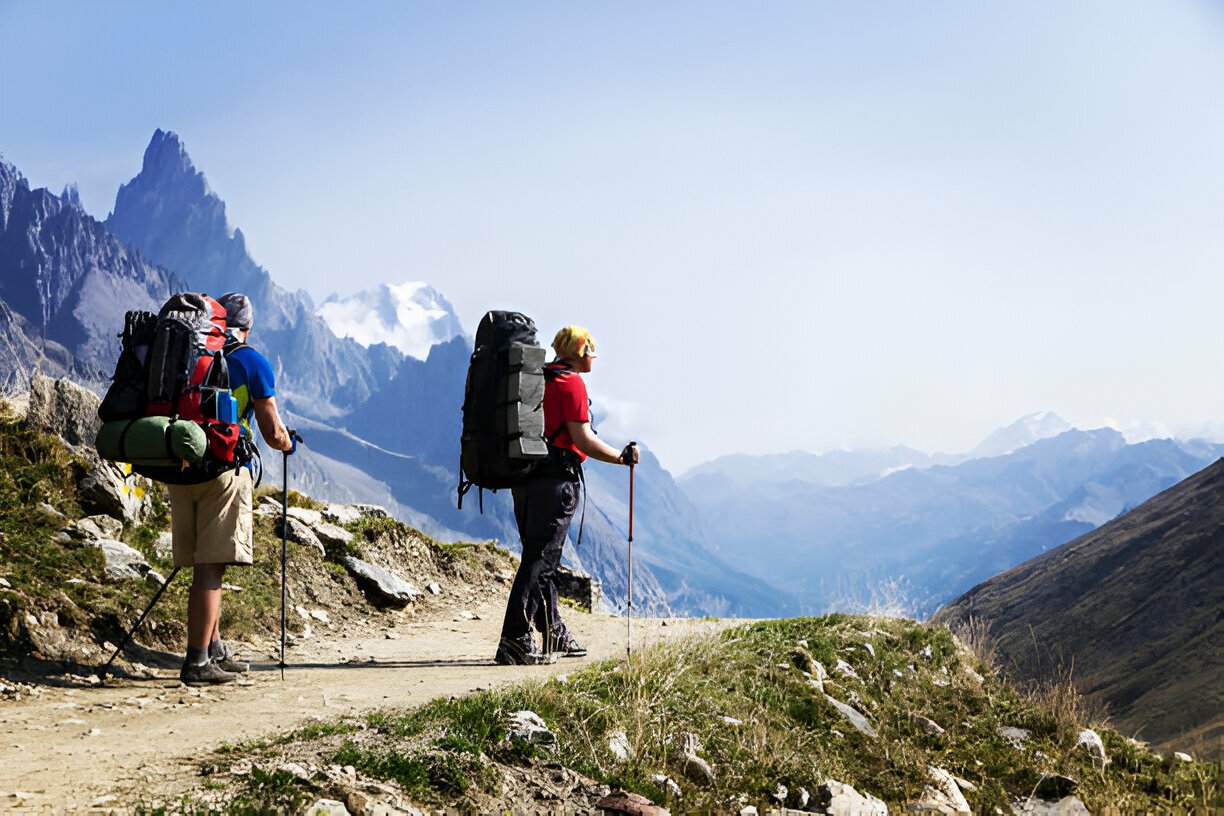
You do not need technical climbing skills to reach the top. With good preparation, a sensible itinerary and a steady pace, most healthy trekkers can make the summit.

This guide covers routes, costs, success rates, training, acclimatization, safety, insurance, and travel logistics so you can plan with confidence.
  • Feature
  • Feature
  • Feature
  • Feature
5,895 mUhuru Peak
From rainforest to glacier

Four worlds on one mountain

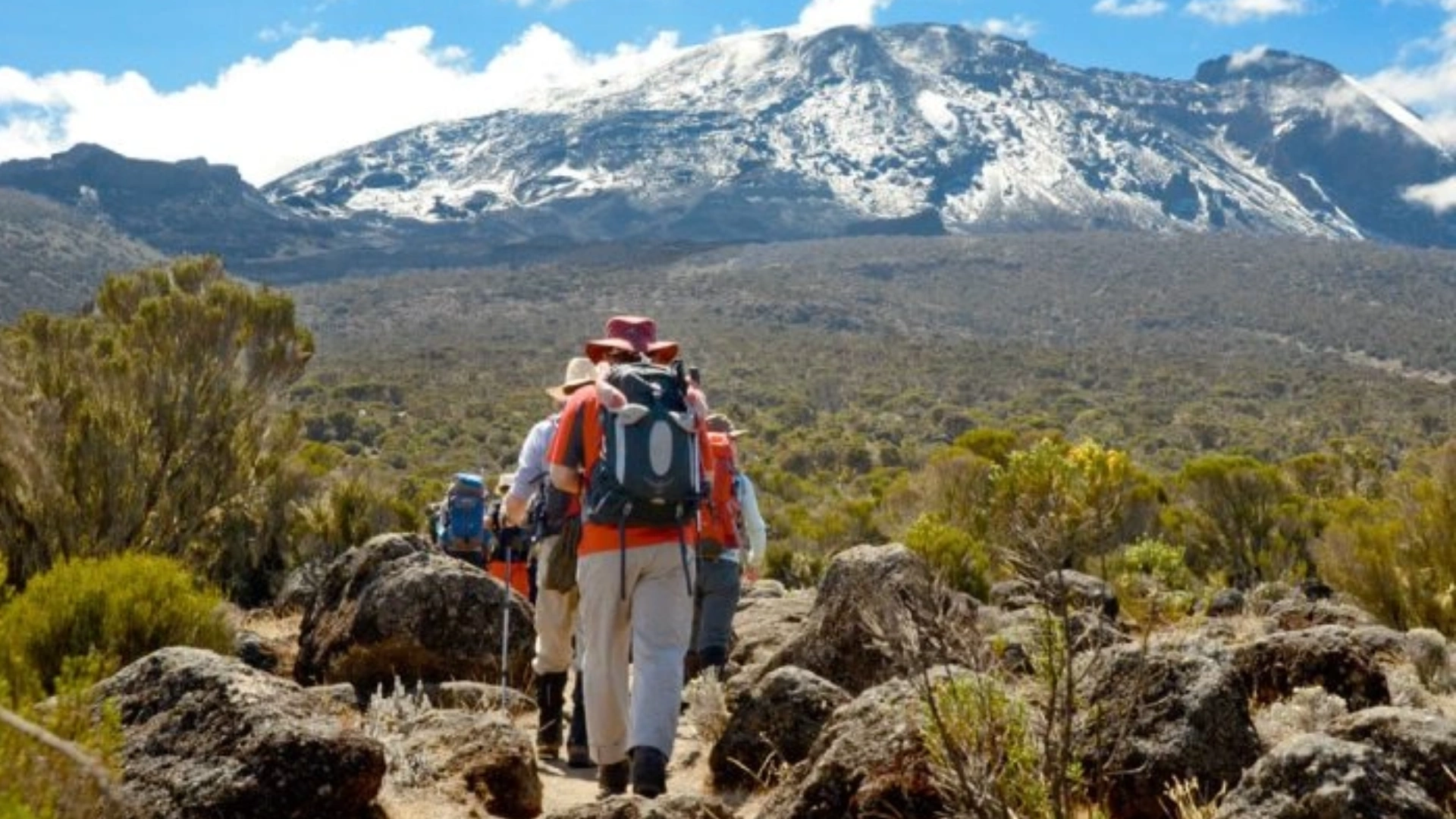
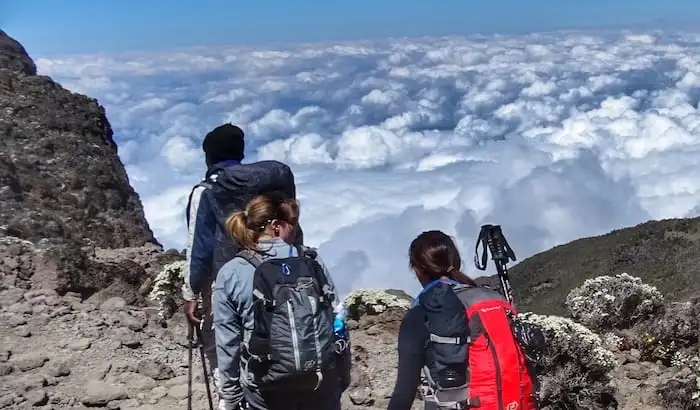
Every Kilimanjaro climb crosses several climate zones, from warm forest at the gate to freezing arctic conditions at the summit.

Is it for you?

How hard is it to climb Mount Kilimanjaro?

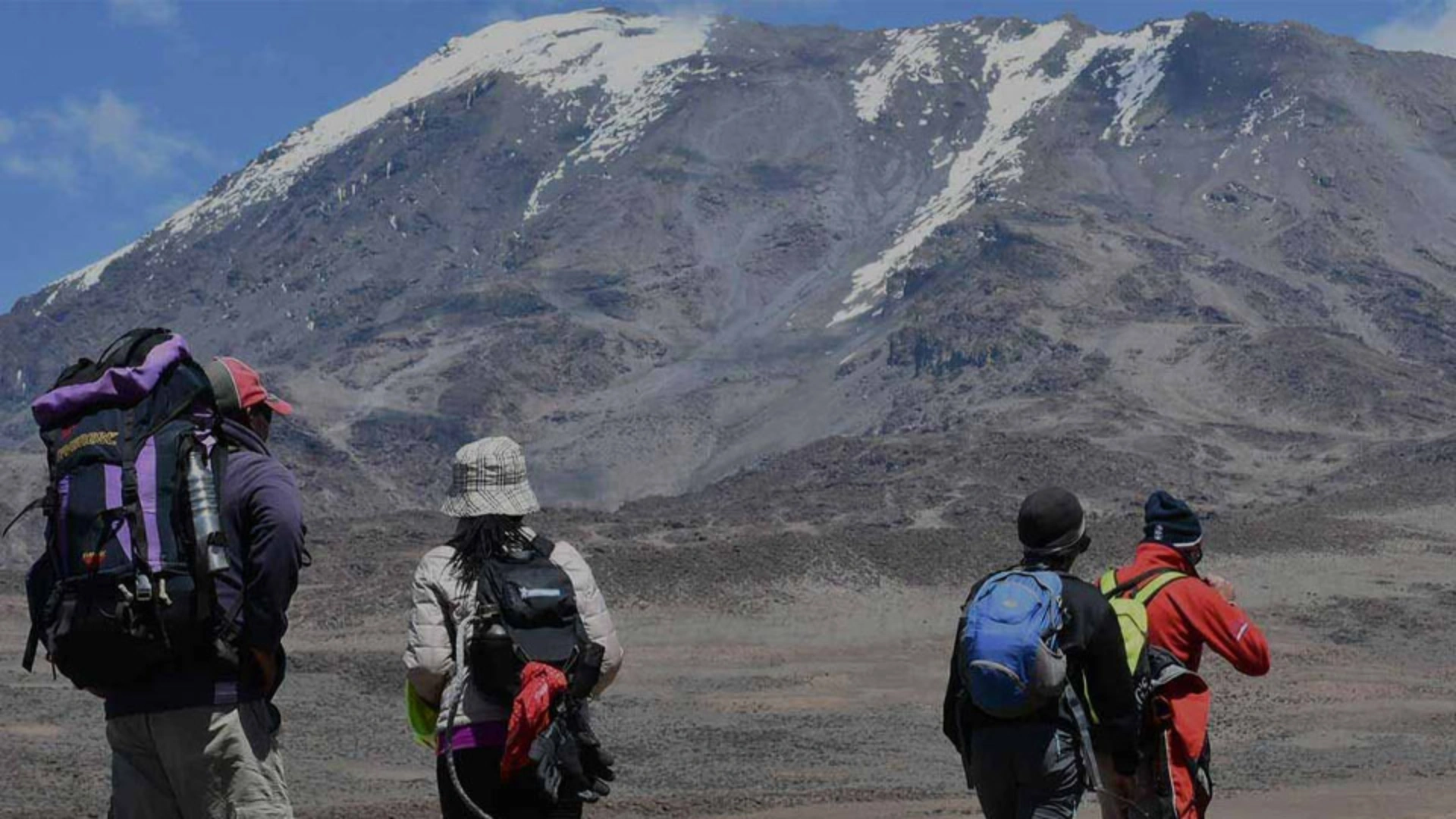
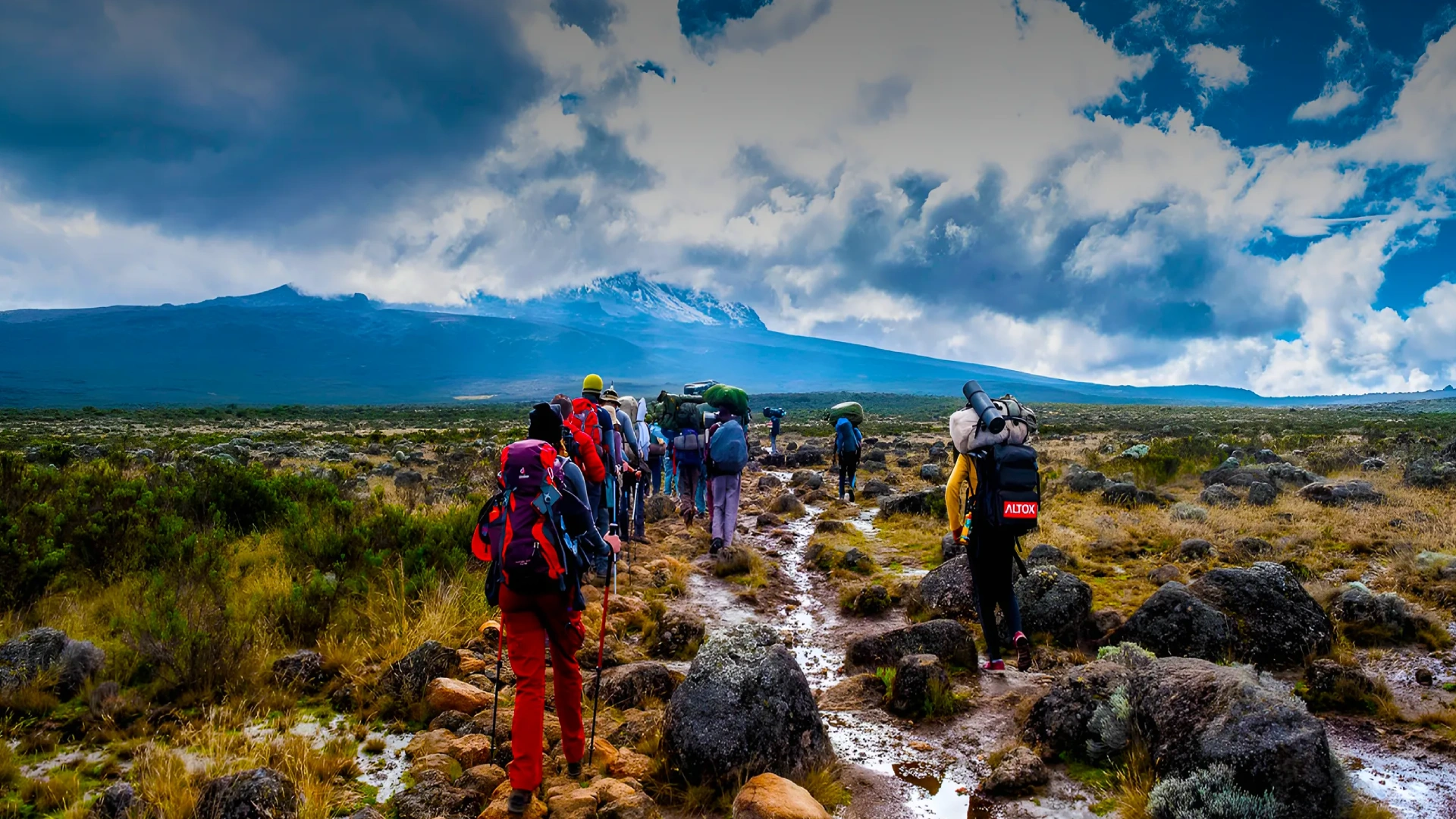
Can a beginner climb Kilimanjaro? Yes. No trekking experience is required. What decides success is acclimatisation, not hiking skill, and that is best achieved on a 7–8 day route with a reliable operator.

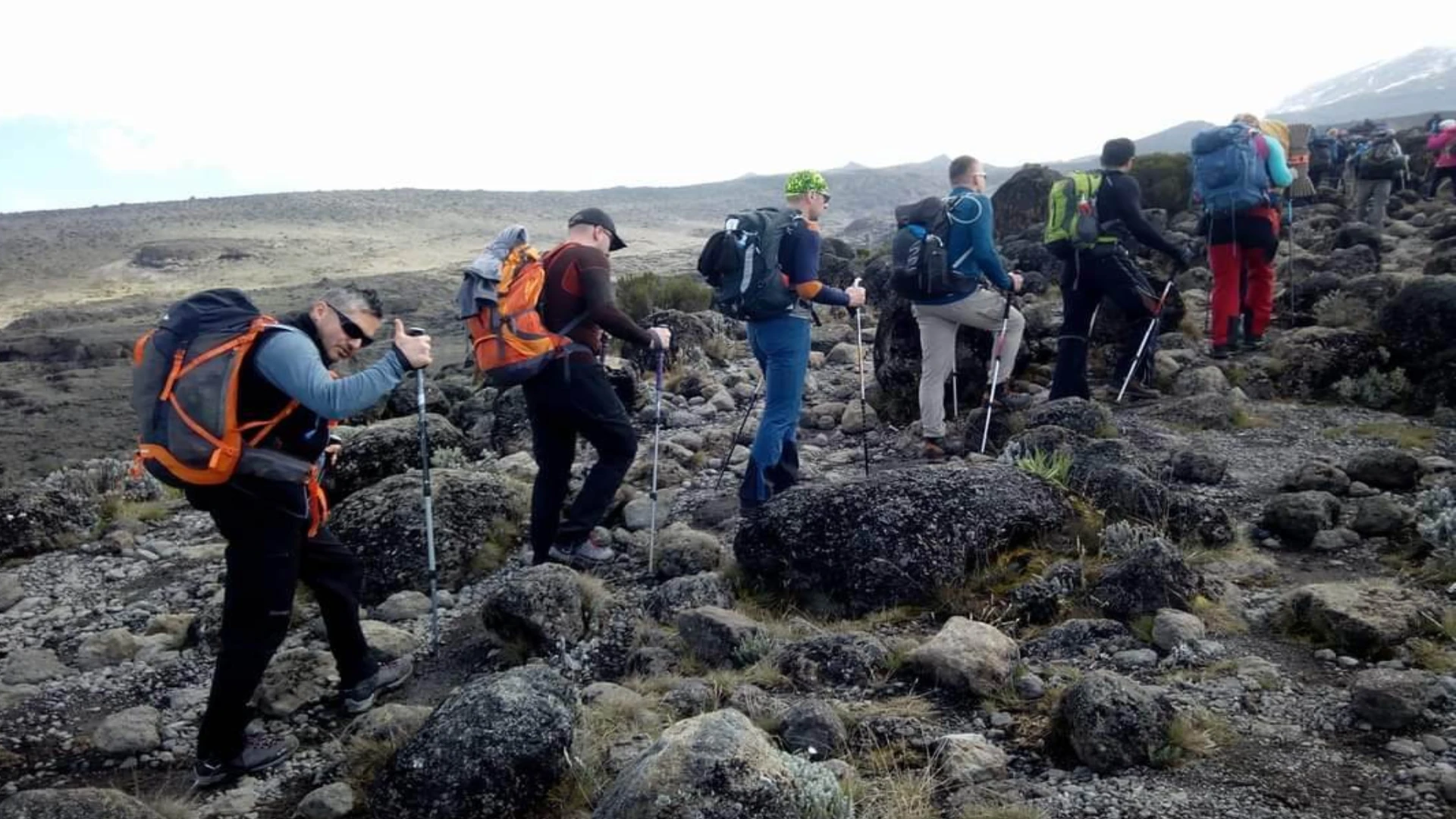
The hard parts are the altitude, the cold and summit night itself, roughly six hours of walking in the dark before sunrise.

Choose guides who monitor your health every day, carry emergency oxygen and a medical kit, and are willing to slow the pace or turn you around when needed.
  • Experienced licensed guides
  • Emergency oxygen carried
  • 7–8 day itineraries
  • Daily health checks
On the mountain

Kilimanjaro day by day: what to expect

A single climb takes you through five climate zones, from tropical forest to arctic ice, in about a week.
Check a sample itinerary

Our beginner-friendly 7-day programme can be combined with a short safari, the easiest way to see both the mountain and the plains in one trip.

View sample itinerary→
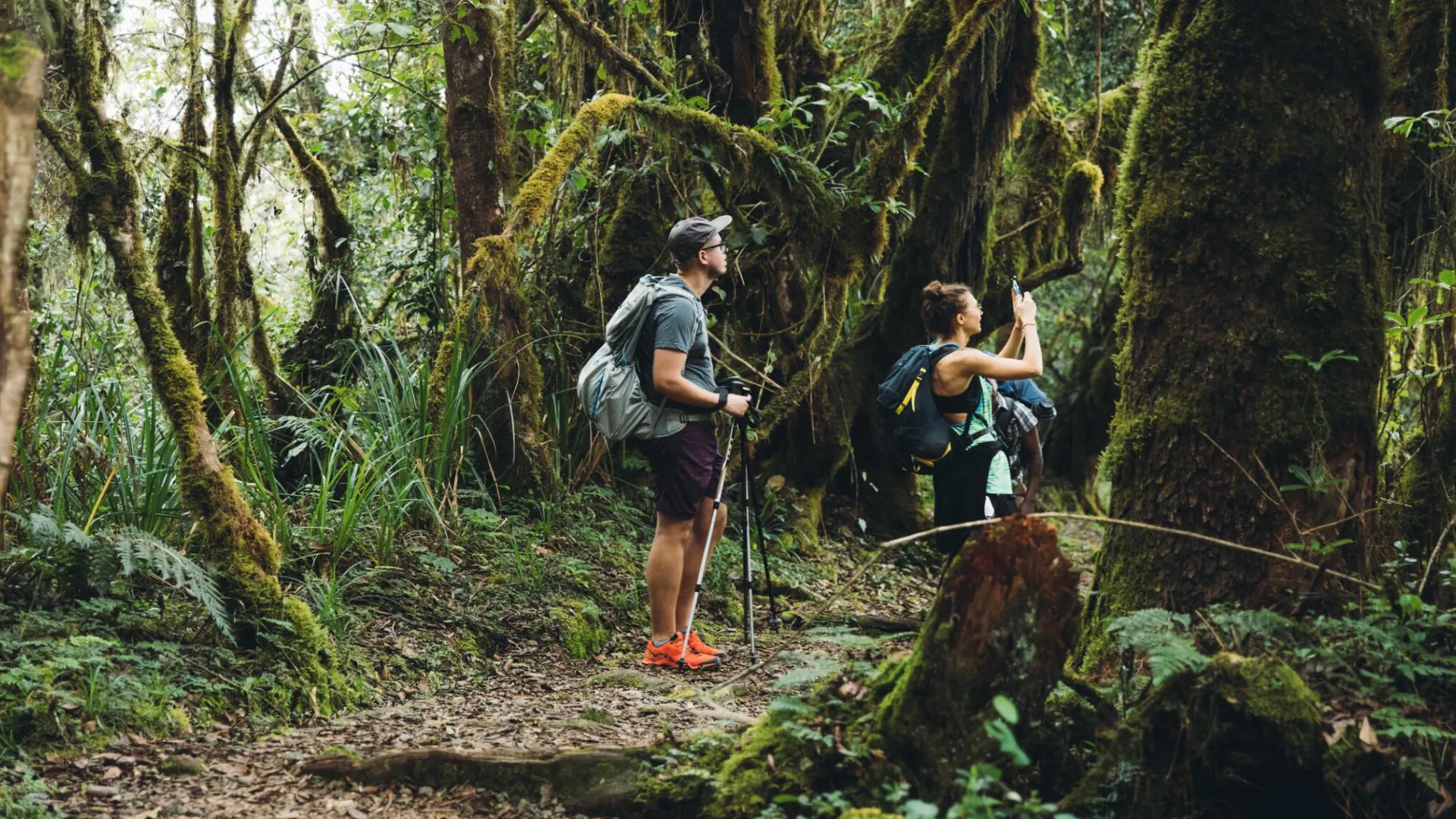
1,800 – 2,800 m

Rainforest

Warm, humid and green. Monkeys move through the canopy and the trail can be muddy after rain. Expect four to six hours of steady walking on the first day.
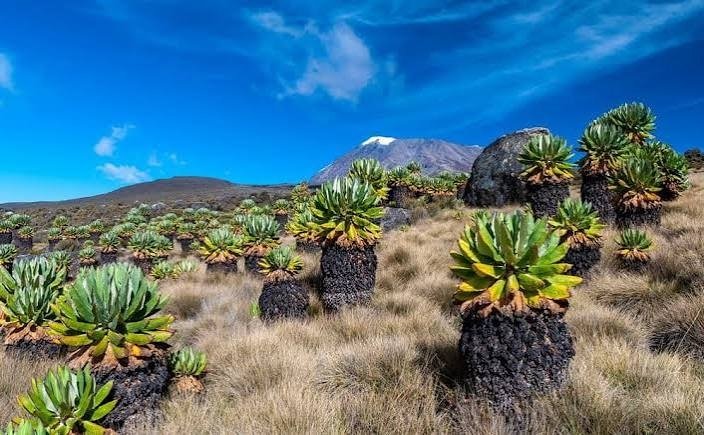
2,800 – 4,000 m

Heather & moorland

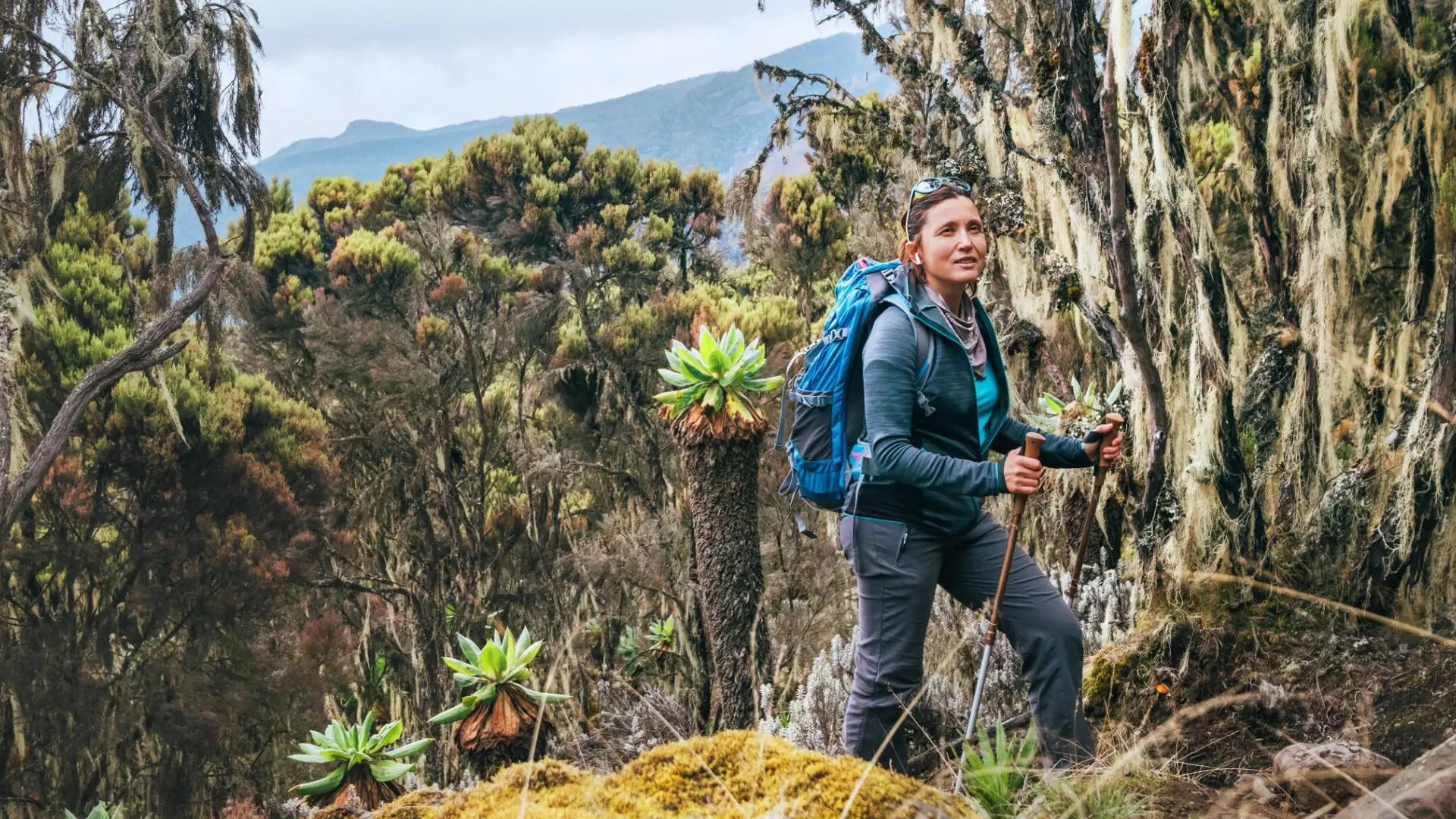
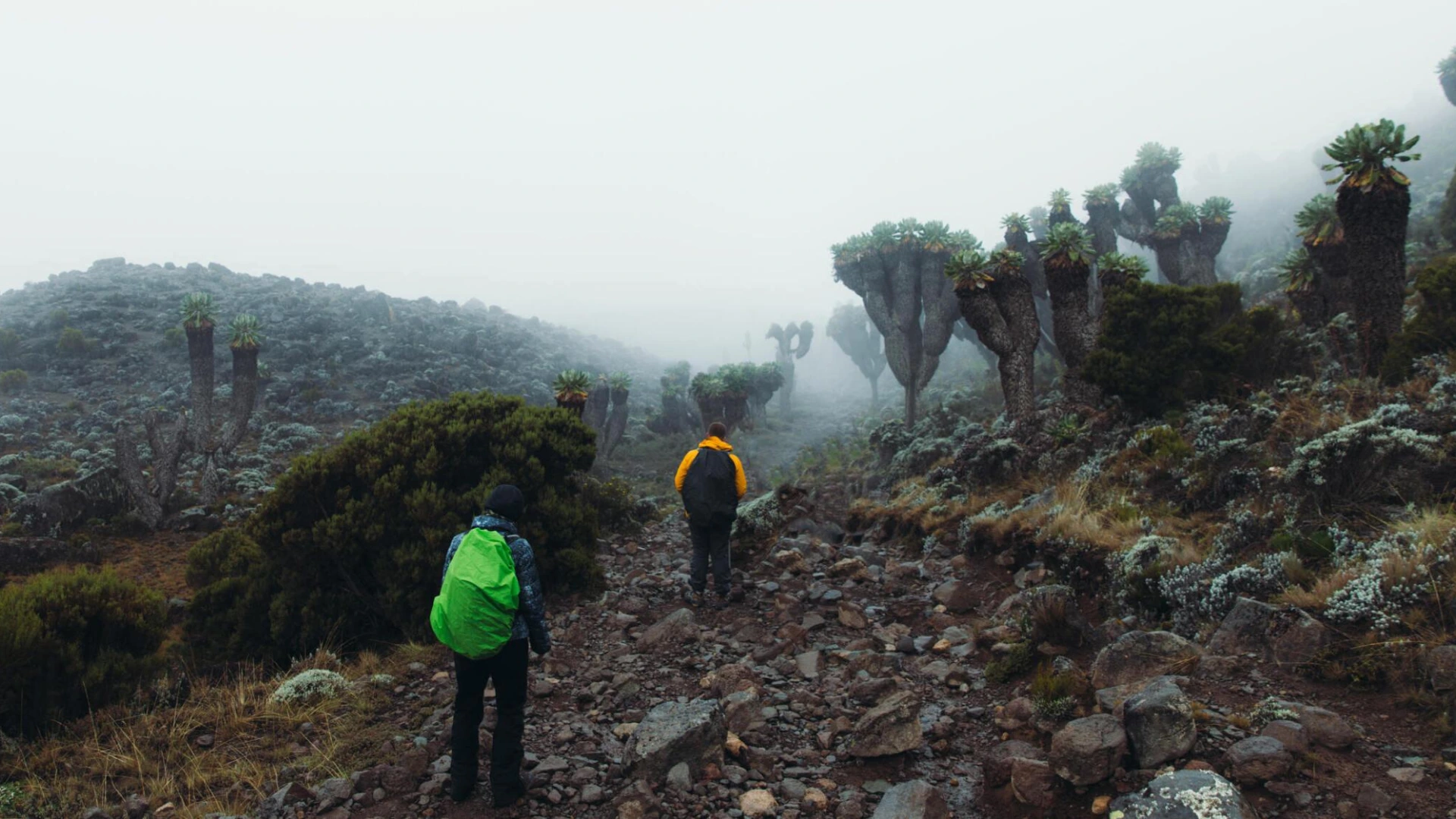
The forest thins into open heath with giant lobelia and groundsels. Days are bright, nights are cold and acclimatisation really begins here.
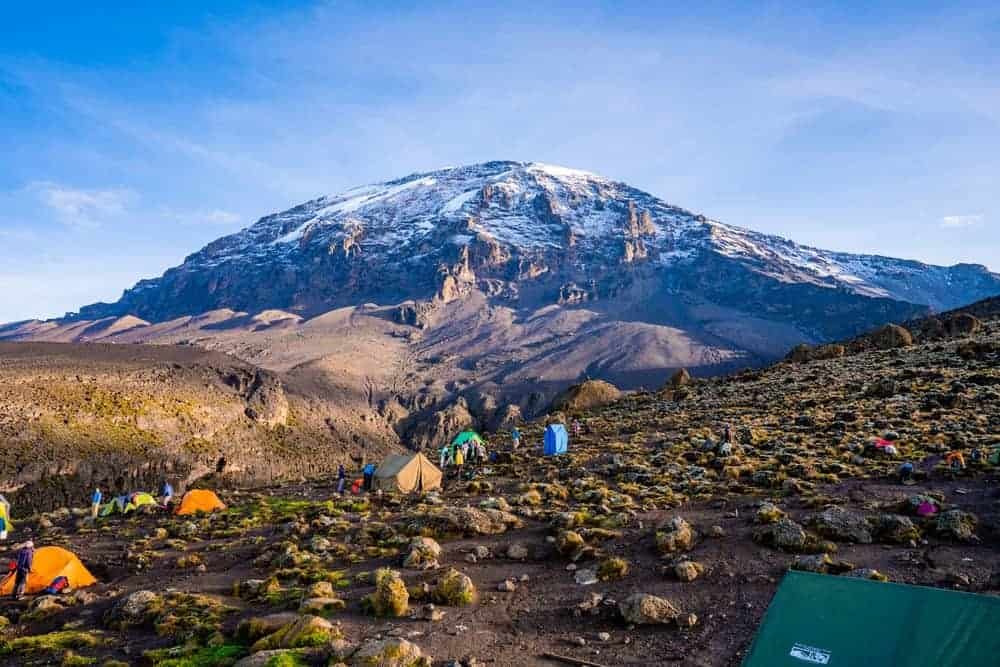
4,000 – 5,000 m

Alpine desert

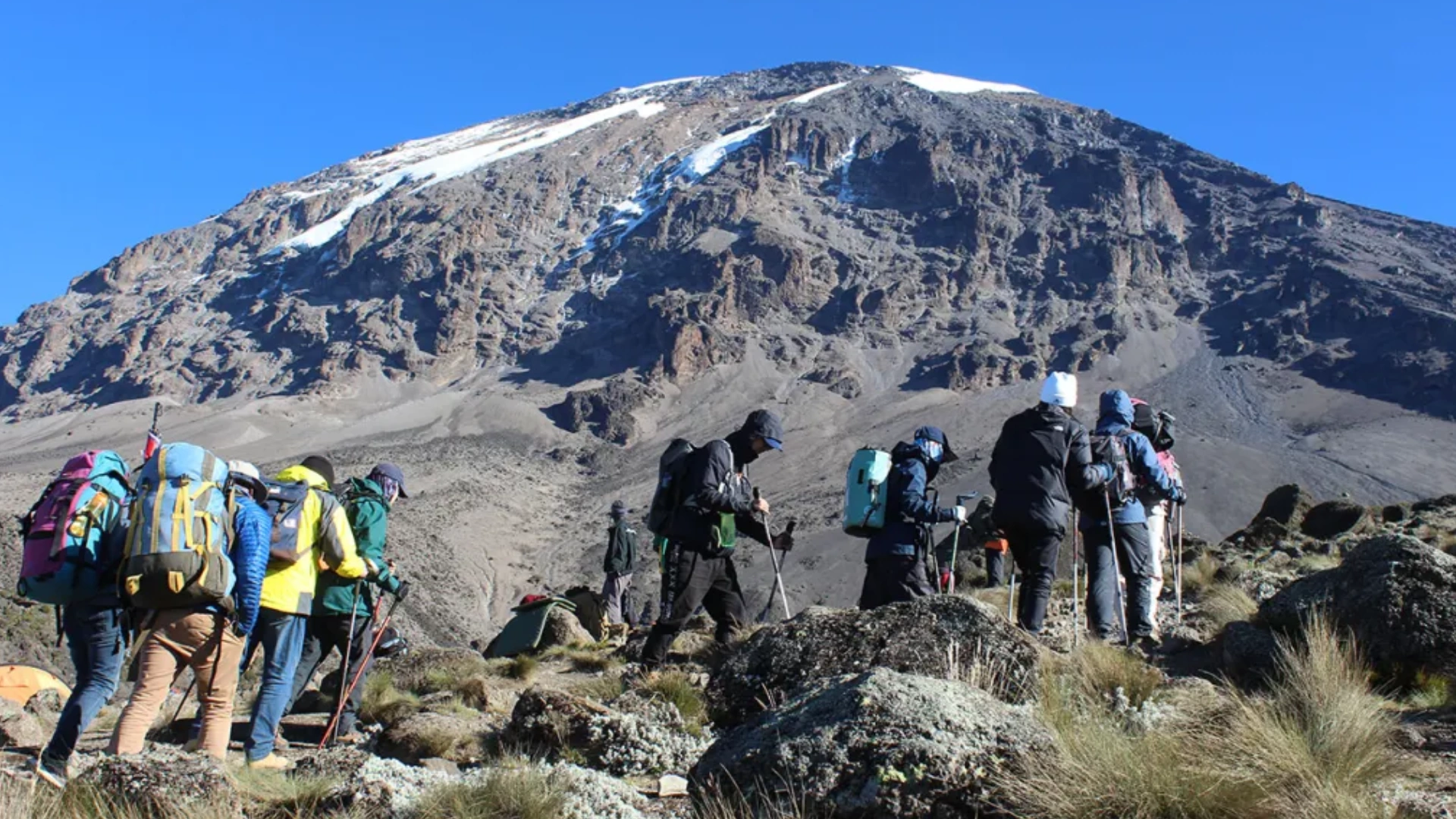
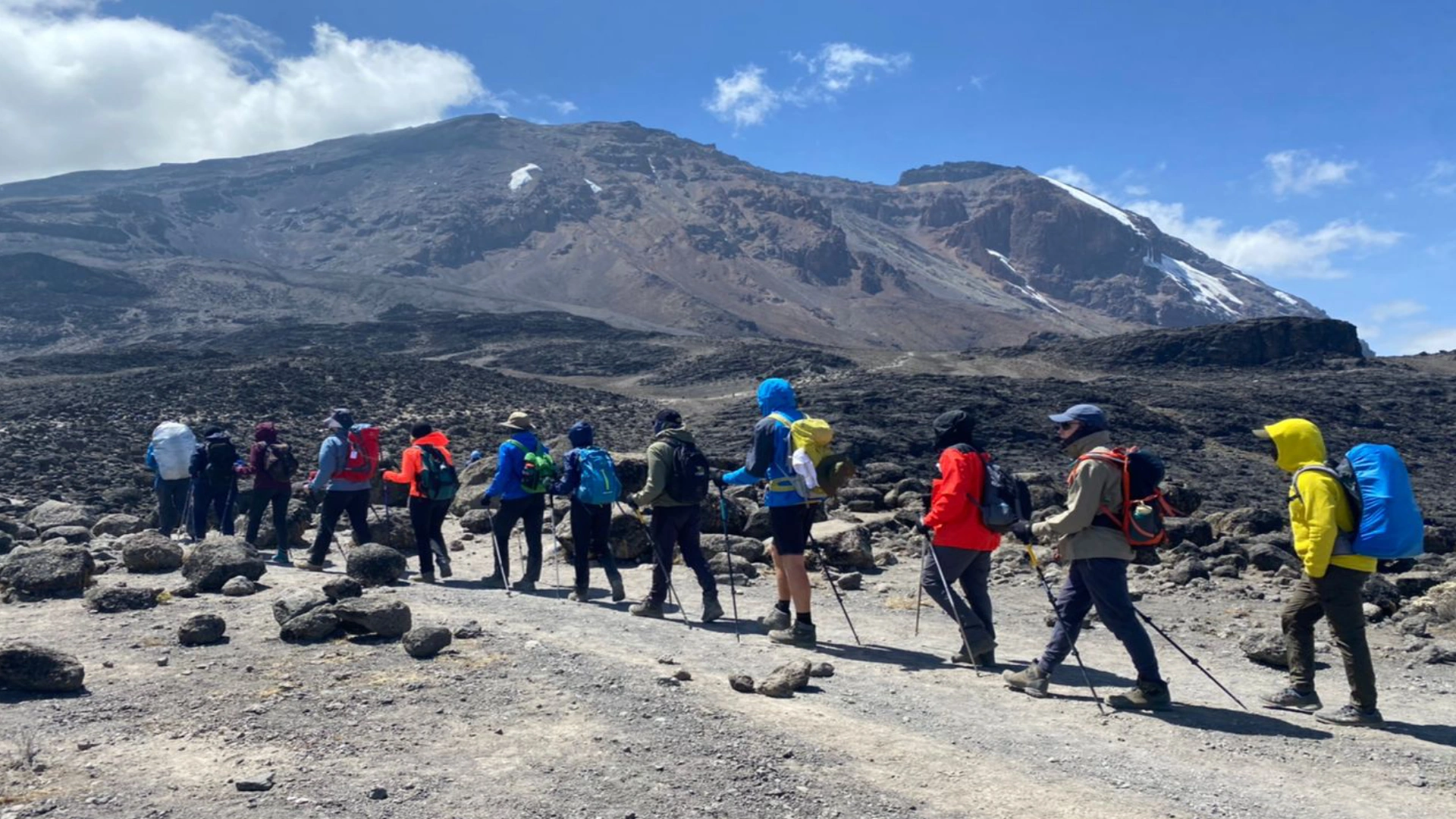
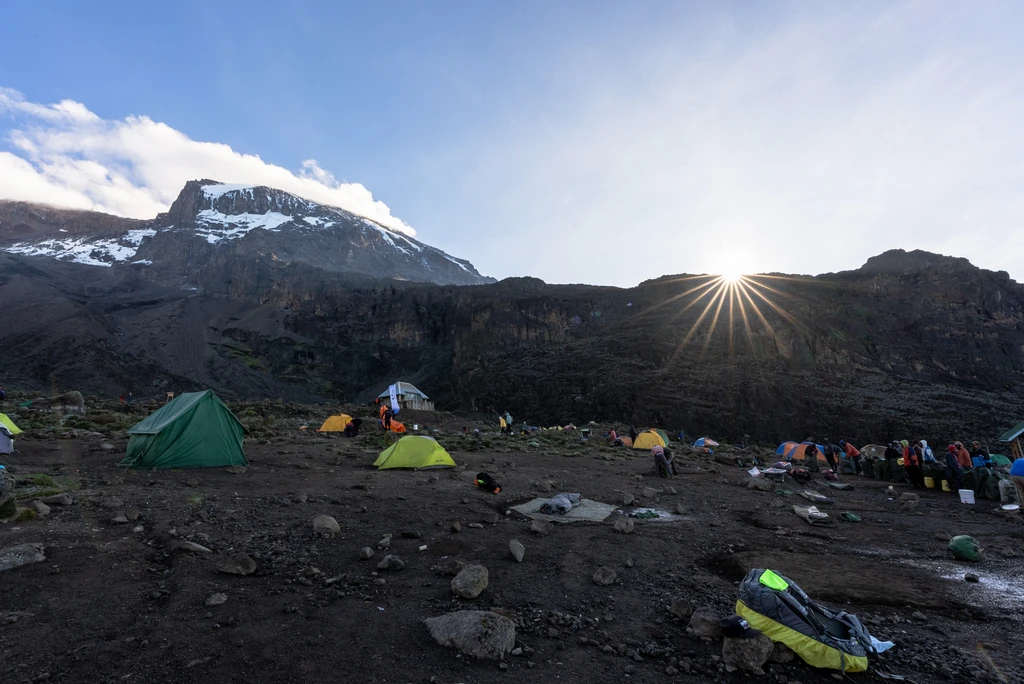
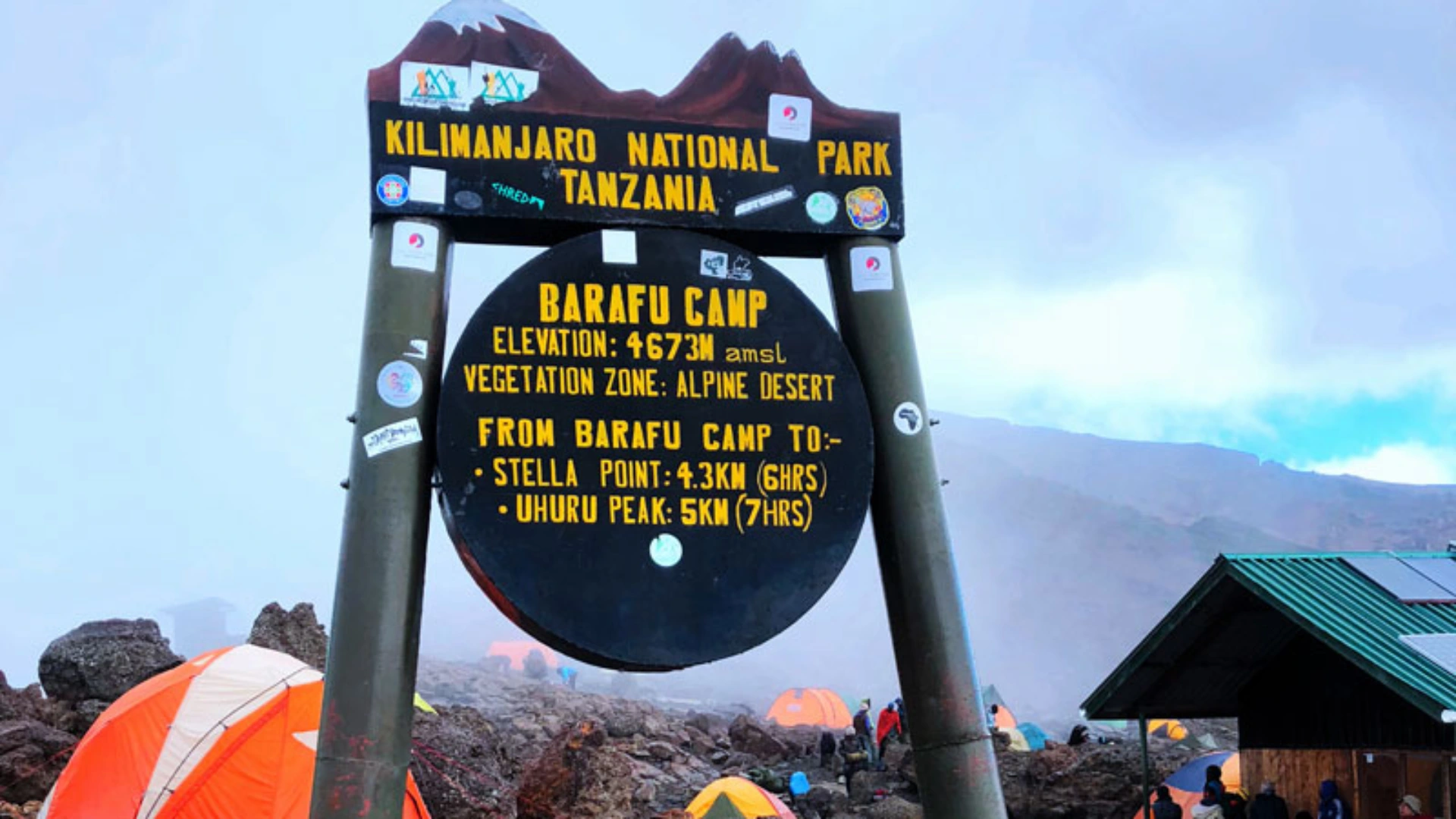
A stony, wind-scoured landscape with strong sun by day and frost at night. Guides slow the pace and check oxygen levels morning and evening.
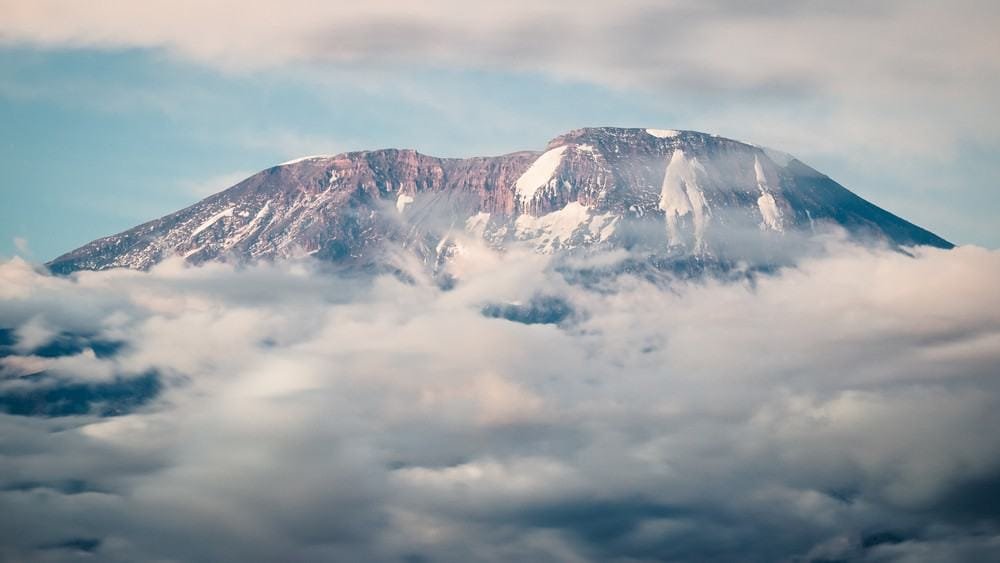
5,000 – 5,895 m

Arctic summit zone

Summit night starts around midnight, reaching the crater rim at dawn and Uhuru Peak soon after, with glaciers glowing in the first light.

Good to know

What you need to know before you climb

Straight answers to the questions climbers ask most.

Late December to early March and mid-June to late October are the most settled windows. Other months still see climbers, with showers mostly in the afternoon, so mornings are often clear.
Seven- and eight-day itineraries are safest because they give your body time to adapt to altitude. Guide judgement matters just as much: look for daily health checks, a gradual ascent profile, a flexible pace and proper emergency equipment.
Prices vary by route, group size and operator. Park entrance, camping, rescue and conservation fees make up a large share of the total, so unusually low prices often mean corners are cut on crew wages, food or safety.
A moderate level of fitness is enough. Train with long walks carrying a loaded daypack, plus hill work, cycling or swimming, for two to three months. Endurance and pacing matter far more than speed or strength.
The main risk is acute mountain sickness from ascending too quickly. Choose a longer itinerary, drink plenty of water, walk slowly (pole pole) and climb with guides trained in emergency care who check you at least twice a day.
Temperatures range from warm at the gate to well below freezing on summit night. You need a layered clothing system, broken-in boots, a warm sleeping bag, trekking poles, a headtorch, sun protection and gloves. Most technical gear can be rented in Moshi.
Expert opinion
Do not underestimate Kilimanjaro. At 5,895 m it is a serious height, and poor acclimatisation causes real altitude sickness. Operator standards vary enormously in guide training, equipment, emergency planning and route design. Before you book, ask whether the guides hold current first-aid training, whether oxygen and medical kits come on every climb, and how the company manages altitude risk.
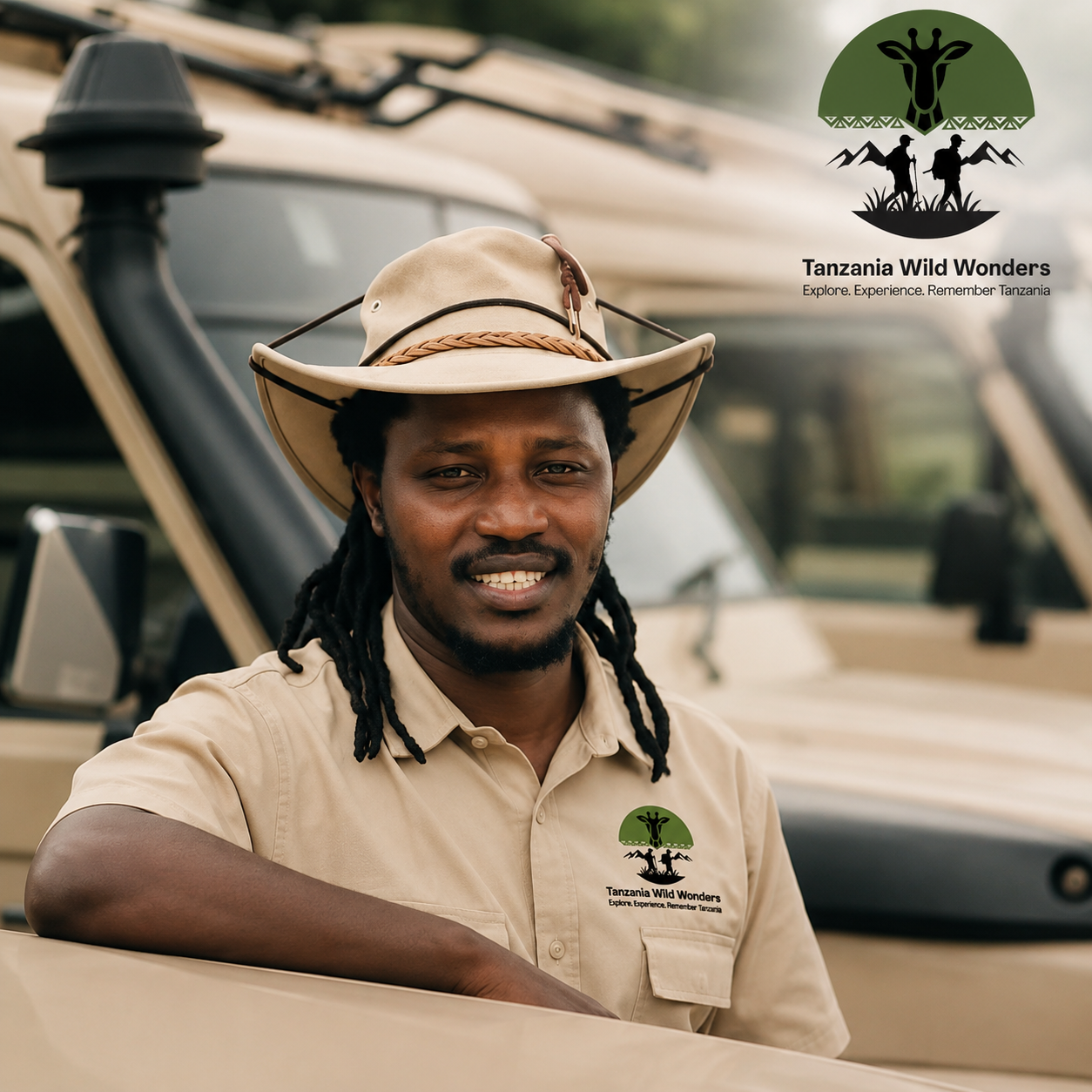
Tanzania Wild Wonders
Kilimanjaro expedition team · Arusha, Tanzania
Team Member
Packing list

What to pack to climb Mount Kilimanjaro?

A Kilimanjaro trek crosses five climate zones, from tropical forest to arctic conditions. Temperatures can swing from about +20 °C at the base to well below freezing on summit night, and the weather can change quickly from sun to rain to wind.

For a safe and comfortable climb you will need proper clothing, footwear, a sleeping bag, trekking poles and a few other essentials. Download our packing list to get fully prepared.

Free download

Get the PDF packing list

A simple checklist of the gear recommended for a Kilimanjaro climb.

Download PDF→
Choose your path

Best Kilimanjaro routes for climbers

Six main routes lead to the summit. Each has its own scenery, crowds and acclimatisation profile.

Machame

6–7 days · Scenic & popular

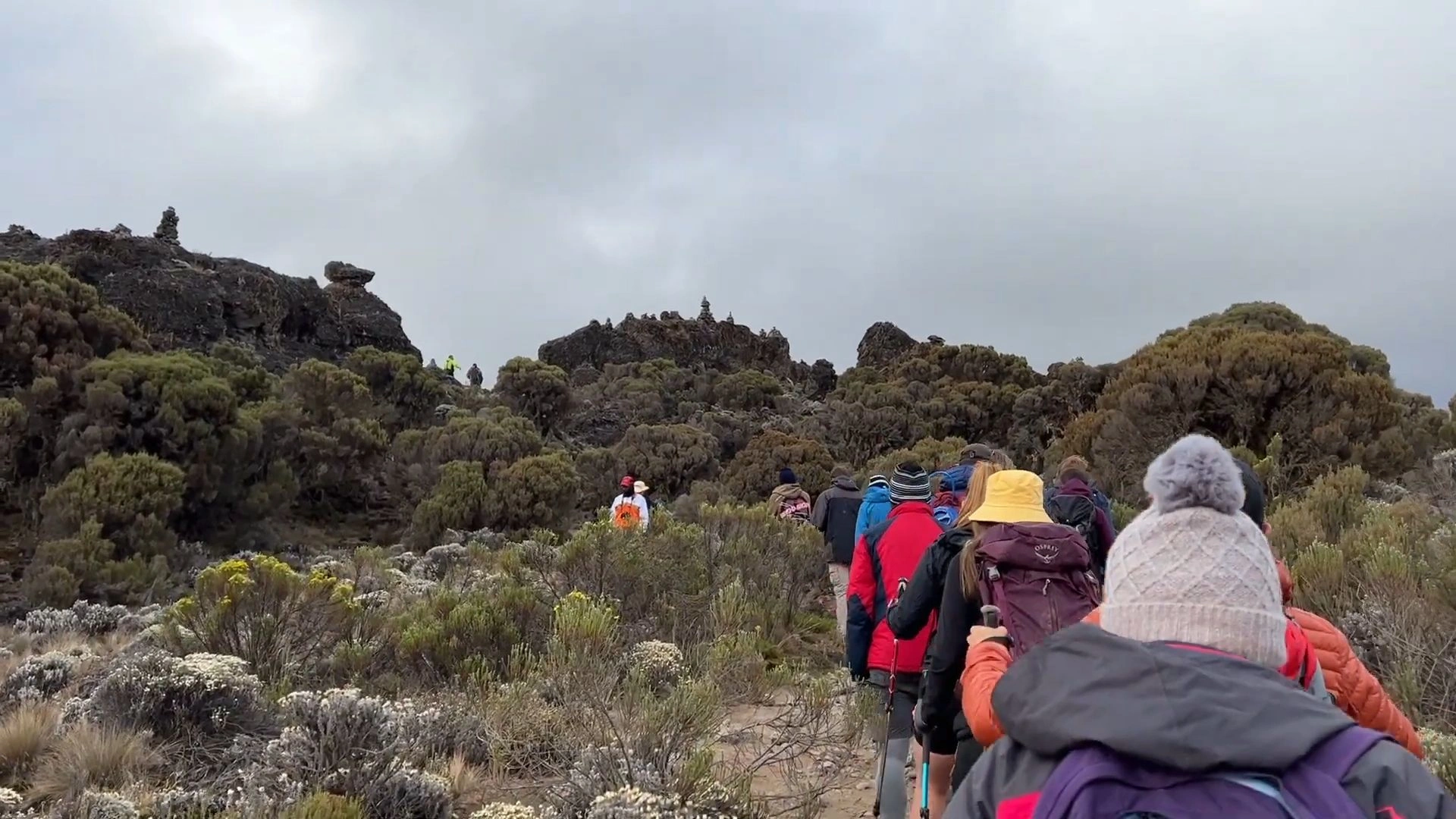
Often called the “Whiskey Route”, Machame is loved for its variety, crossing rainforest, the Shira Plateau, Lava Tower and the Barranco Wall. Choose the seven-day version for better acclimatisation.
Pros
Highly scenic with varied landscapes; strong acclimatisation on seven days.
Cons
Can be busy in peak season; the six-day version leaves less time to adapt.
Request a Quote
Open-group climbs

Kilimanjaro climbs: upcoming departures

Join a small group or ask about a private climb on your own dates. These are sample dates, so replace them with your real schedule.

PhotoDeparture DateTrip NameDurationPriceAvailabilityBook
January 08, 20278-Days Kilimanjaro Climbing-Lemosho Route8 Days
$2,823 per person
Based on 2+ trekkers
Spaces available
June 04, 20278-Days Kilimanjaro Climbing-Lemosho Route8 Days
$2,823 per person
Based on 2+ trekkers
Spaces available
June 10, 20276-Days Kilimanjaro Climbing-Marangu Route6 Days
$2,138 per person
Based on 2+ trekkers
Spaces available
June 17, 20276-Days Kilimanjaro Climbing-Marangu Route6 Days
$2,138 per person
Based on 2+ trekkers
Spaces available
June 17, 20276-Days Kilimanjaro Climbing-Marangu Route6 Days
$2,138 per person
Based on 2+ trekkers
Spaces available
July 02, 20278-Days Kilimanjaro Climbing-Lemosho Route8 Days
$2,823 per person
Based on 2+ trekkers
Spaces available
July 15, 20276-Days Kilimanjaro Climbing-Marangu Route6 Days
$2,138 per person
Based on 2+ trekkers
Spaces available
July 22, 20278-Days Kilimanjaro Climbing-Lemosho Route8 Days
$2,823 per person
Based on 2+ trekkers
Spaces available
August 01, 20276-Days Kilimanjaro Climbing-Marangu Route6 Days
$2,138 per person
Based on 2+ trekkers
Spaces available
August 09, 20278-Days Kilimanjaro Climbing-Lemosho Route8 Days
$2,823 per person
Based on 2+ trekkers
Spaces available
August 01, 20276-Days Kilimanjaro Climbing-Marangu Route6 Days
$2,138 per person
Based on 2+ trekkers
Spaces available
Simple to book

How to book your Kilimanjaro climb

Reserve your place with a small deposit, then plan the details with a consultant who stays with you until summit day.

01

Choose your route and dates

Tell us your travel window and experience level. We recommend a route and itinerary length, and hold your place with a deposit.

02

Plan the details

Share medical information, dietary needs and the gear you already own. Your consultant stays in touch from booking to summit day.

03

Arrive and get briefed

We collect you at Kilimanjaro International Airport, run a full gear check and brief you on the climb the evening before.

04

Climb pole pole

Experienced guides, daily health checks and emergency equipment support you all the way to Uhuru Peak.

Interested in climbing Mount Kilimanjaro?

Our team is based in Tanzania and always here to help.

Questions answered

Climb Mount Kilimanjaro FAQs

Planning to climb Mount Kilimanjaro? Find answers to the most important questions about the route, preparation, safety, guides, accommodation, food, weather, and your experience on the mountain.

Check the small print. Your policy should cover high-altitude trekking to 6,000 m, emergency medical treatment and evacuation. Insurance is strongly recommended and should be arranged before you pay for your climb.
The simplest way is to fly into Kilimanjaro International Airport (JRO), roughly an hour from Moshi where most climbs begin. You can also fly to Dar es Salaam and connect, or arrive via Nairobi and travel by road.
Tanzania has two rainy seasons and two dry seasons. If you climb during the rains, the northern side of the mountain is much drier, so Rongai and the Northern Circuit are the best wet-season choices.
The shortest itineraries take five days, but most climbers spend six to eight days so their bodies can adjust. Longer routes noticeably improve acclimatisation and summit odds.
Yes. No ropes, ice axes or climbing experience are needed. You need patience with altitude, a 7–8 day itinerary, reasonable fitness and a guiding team that knows when to slow you down.
Tipping practice varies, so ask your operator for current guidance. Crew tips are usually pooled and shared at the final camp, and are budgeted separately from the climb price.
The Lemosho Route approaches Kilimanjaro from the western side and is known for its beautiful scenery, quieter trails, and gradual acclimatization. Machame is another scenic route with a more demanding profile, while Rongai approaches from the northeastern side and is generally quieter and drier. Lemosho is an excellent choice for travelers who want a scenic, well-paced, and immersive Kilimanjaro experience.
Your chances depend on your fitness, preparation, acclimatization, pacing and how your body responds to altitude. The 8-day Lemosho itinerary provides additional time for gradual acclimatization, while our experienced guides monitor your progress throughout the climb and adjust the pace when necessary.
Safe drinking water is provided throughout the trek. Water sources are treated appropriately before being provided to climbers. Staying well hydrated is particularly important during altitude trekking, so you should drink regularly throughout each day.
Emergency oxygen can be carried as part of the mountain safety equipment. Oxygen is not a substitute for proper acclimatization or descent, however. If a climber develops serious altitude symptoms, the priority is assessment by the guide team and descent when medically appropriate.
Your guides are trained to respond to mountain emergencies and will assess your condition if a problem occurs. Depending on the situation, the response may involve rest, medical assessment, assisted descent, or evacuation through the appropriate mountain rescue procedures.
Absolutely. Additional nights in Arusha or Moshi can be arranged before or after your climb. Extra time is useful for recovering after the trek, preparing for your expedition, or connecting your Kilimanjaro adventure with a Tanzania safari or Zanzibar beach holiday.
Before travelling, check the latest Tanzania travel guidance issued by your country's official government travel advisory. You should also review entry requirements, passport validity, visa information, travel insurance requirements, and any relevant health guidance before departure.
Vaccination and health requirements depend on your travel history, nationality, itinerary, and current regulations. Consult a qualified travel-health professional well before your trip for personalized advice, including information about recommended vaccinations and malaria prevention.
Kilimanjaro passes through several climate zones, so conditions change significantly as you climb. The lower slopes can be warm, humid and rainy, while higher elevations become colder and much drier. Near the summit, temperatures can fall well below freezing, particularly during the early-morning summit attempt. Proper layered clothing is essential.
Know the mountain

Mount Kilimanjaro facts

A quick reference to Africa’s highest peak.

Highest point
Uhuru Peak, 5,895 m (19,341 ft)
Claim to fame
The tallest free-standing mountain in the world
Africa
The highest mountain on the continent
Volcano
Three volcanic cones: Kibo, Mawenzi and Shira
Status
UNESCO World Heritage Site and one of the Seven Summits
Glaciers
Permanent summit ice, though it is shrinking
First ascent
1889: Hans Meyer and Ludwig Purtscheller
Climate zones
Rainforest, heather, moorland, alpine desert and arctic
Ready when you are

Your summit is waiting

Tell us your dates and preferred route and we will reply with a tailored plan and price.