Kilimanjaro · Western approach

Climb Kilimanjaro via the Scenic Lemosho Route

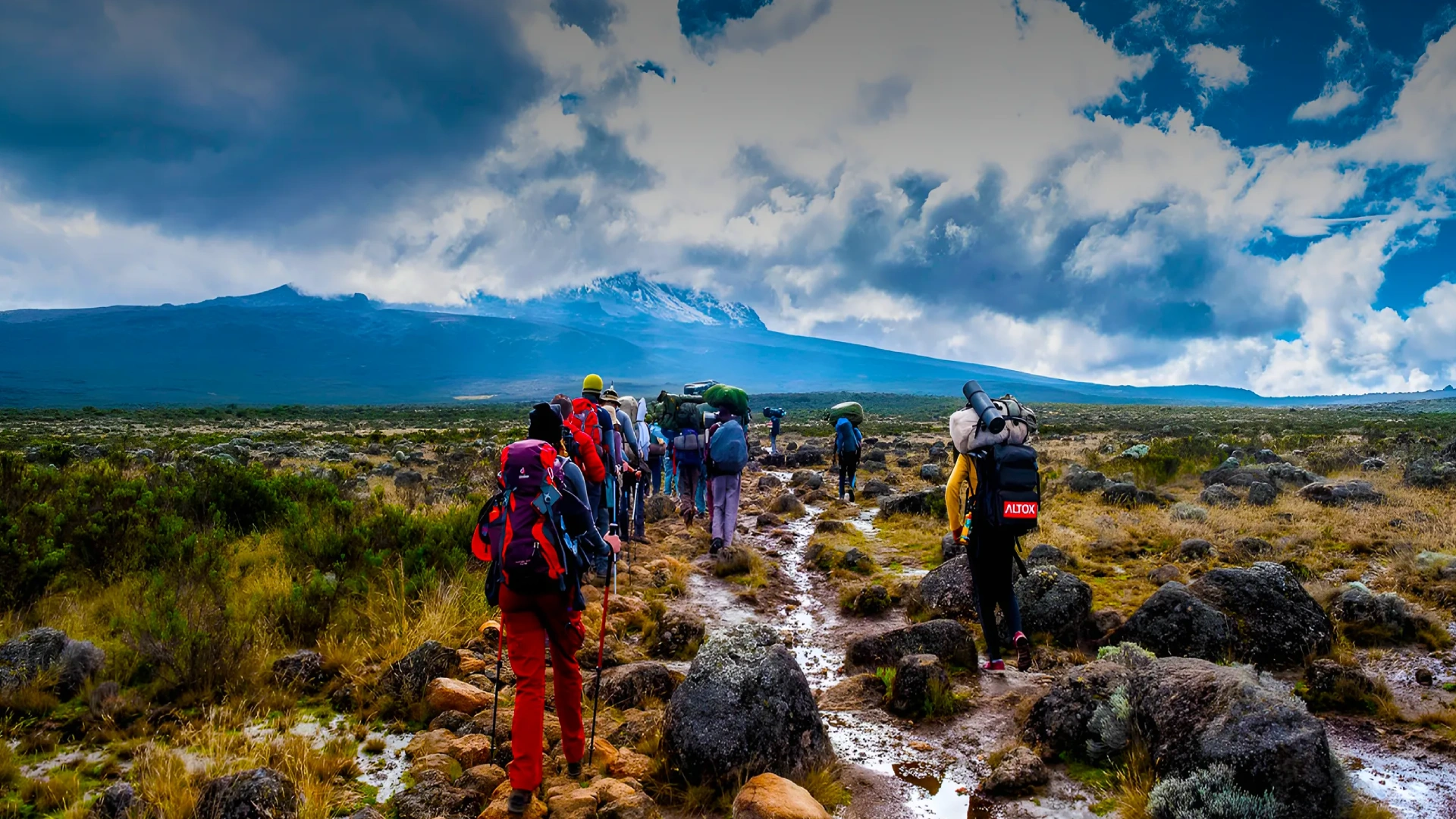
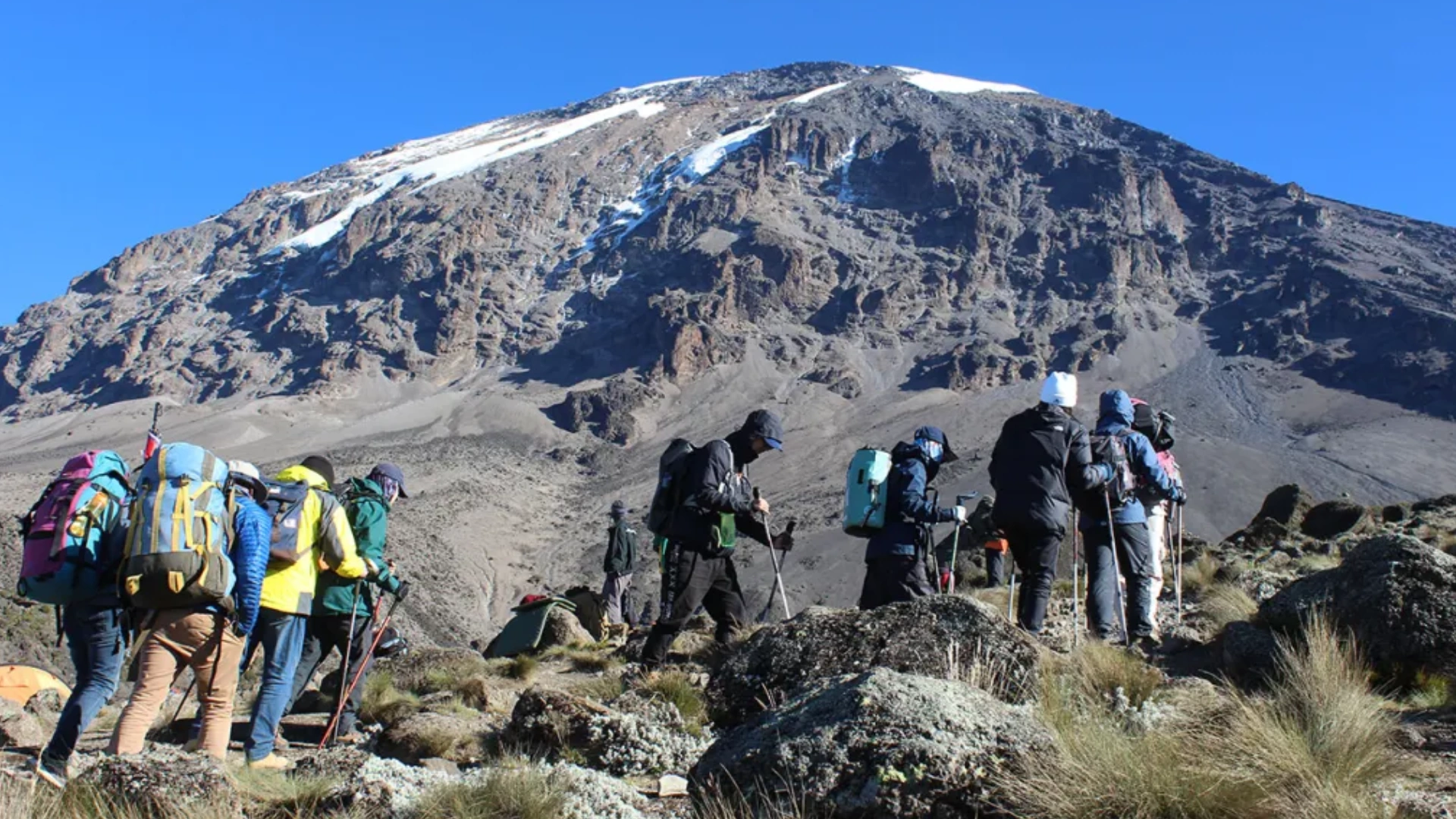
The Lemosho Route is one of the most scenic ways to climb Mount Kilimanjaro, taking you from the mountain’s remote western slopes through lush rainforest, open moorland, and the sweeping landscapes of the Shira Plateau.

7–8 daysTrek length
70 kmDistance
ModerateDifficulty
HighSummit success
Route overview

Lemosho route itinerary

A day-by-day travelogue of the western approach to Uhuru Peak.
Highlights

  • Approx. 64–70 km Trek – Cross Kilimanjaro’s scenic western and southern slopes.
  • Shira Plateau – Trek across a high-altitude volcanic plateau with panoramic mountain views.
  • Lava Tower—4,630 m—Climb high before descending to Barranco Camp to support acclimatization.
  • Barranco Wall—Tackle a dramatic rocky ascent with hands-on scrambling in places.
  • Five Ecological Zones—Experience landscapes ranging from montane rainforest to the arctic summit zone.
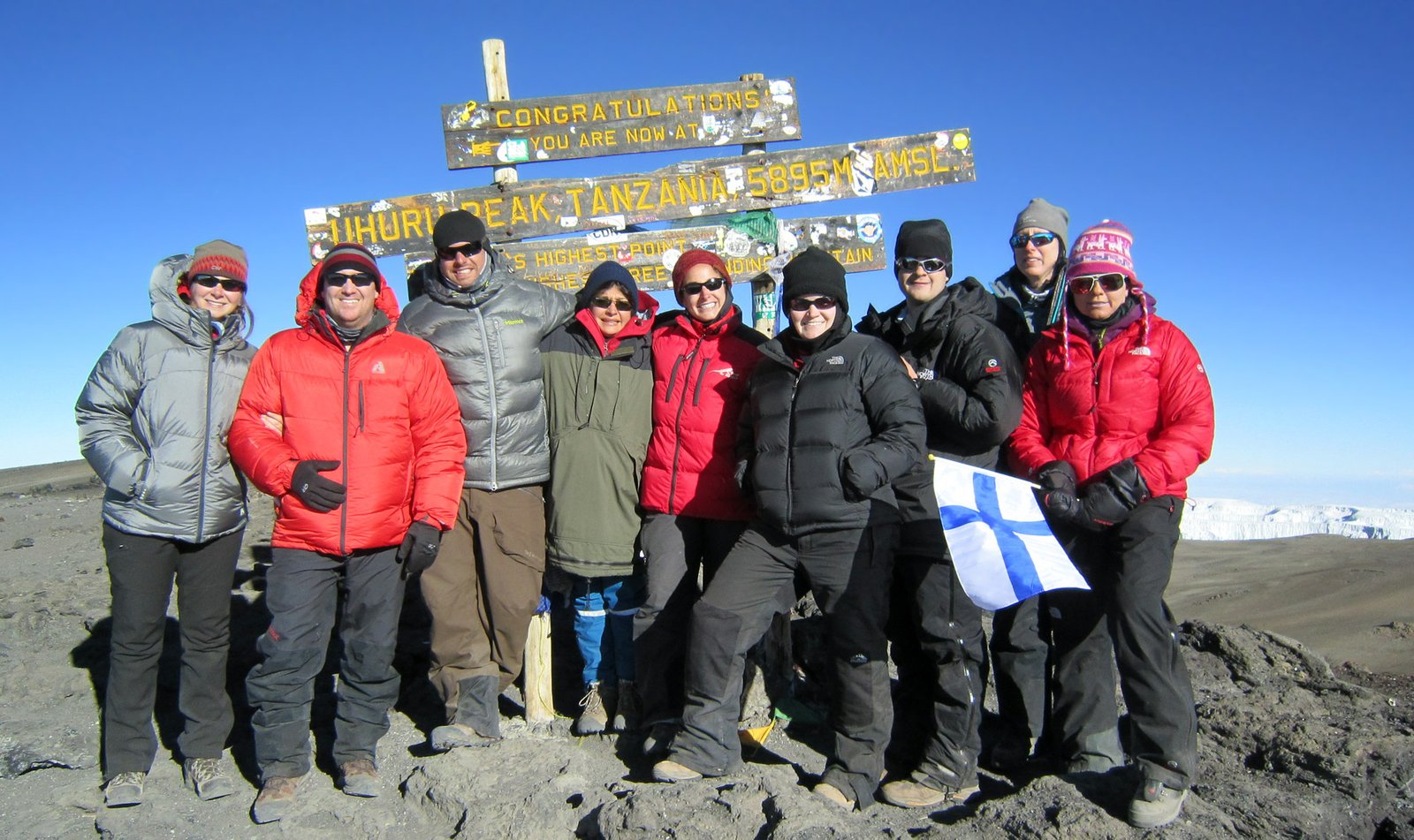
  • Uhuru Peak—5,895 m—reaches the highest point in Africa.
  • Climbs—Choose your itinerary, with the additional day offering more time for acclimatization.

At a glance

8 daysKilimanjaroTrekking

Interested in climbing Mount Kilimanjaro?

Tell us your dates and preferred route, and we will reply with a tailored plan and price.

GET A FREE QUOTE→

Quick facts

Distance
70 km
Duration
7 or 8 days
Difficulty
Moderate
Summit success
High

Replanting native trees to help restore Kilimanjaro’s fragile ecosystem.

Offsetting our carbon footprint by funding renewable energy projects.

Creating fair jobs and supporting local mountain communities.

Day by day

Lemosho route detailed itinerary

Hike our longest and most epic route to the 'Roof of Africa' on the adventure of a lifetime . Tap a day to see the route, elevation change and what to expect.

Kilimanjaro Airport to your hotel
On arrival you are transferred to your accommodation, where your guide meets you for a full briefing and equipment check. Accommodation is included from the first meeting point until the end of the expedition.
Overnight: hotel near Moshi
2,400 m to 2,800 m
Elevation gain: 400 m2–3 hours trekking
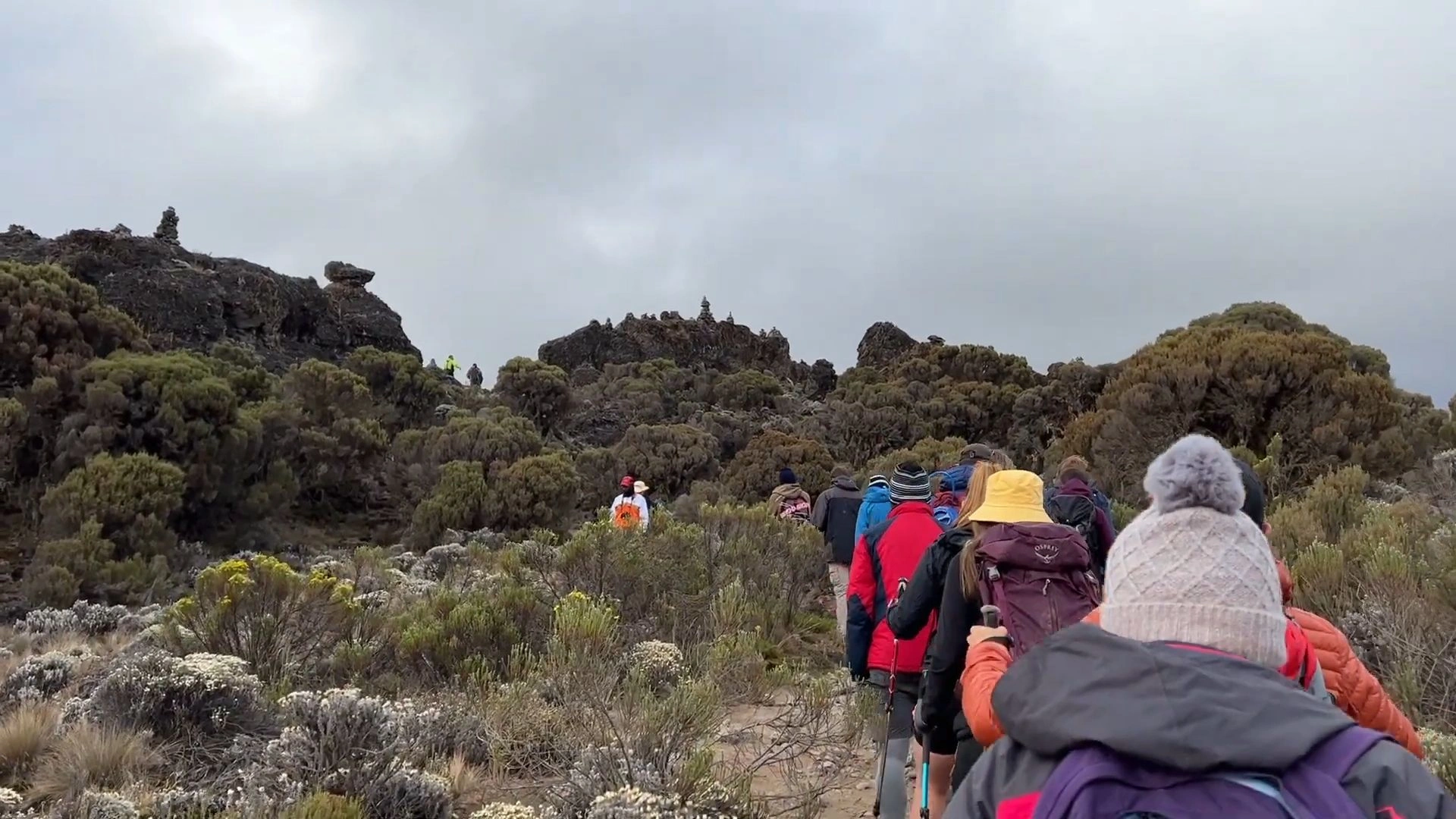
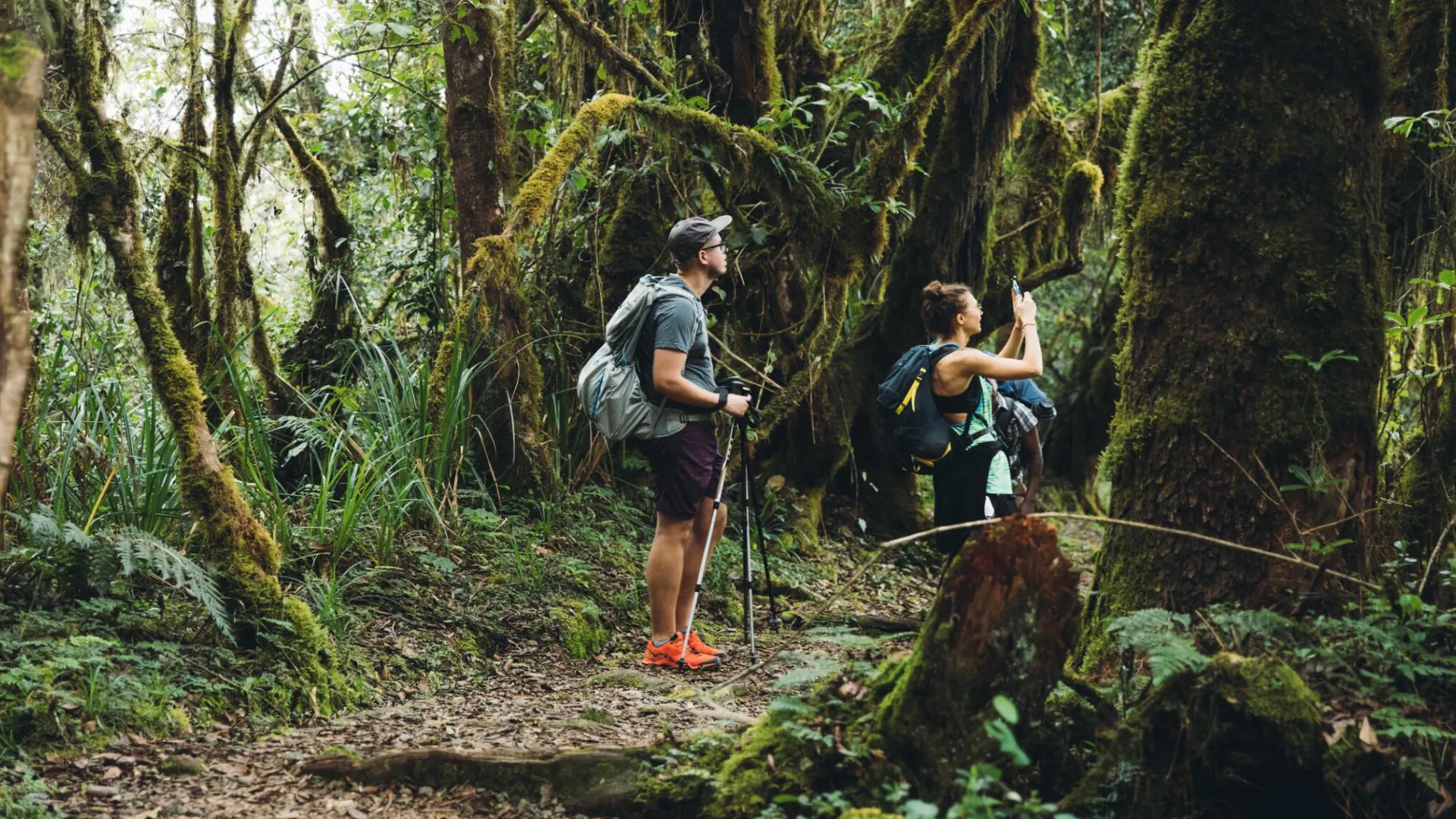
Drive to Londorossi Gate for entry formalities, then about an hour to the trailhead. After lunch you walk through lush, undisturbed forest where colobus monkeys may appear. The path undulates, steeply in places, to the first camp.
Overnight: Big Tree Camp
2,800 m to 3,550 m
Elevation gain: 750 m5–6 hours trekking
The forest gives way to giant heather and volcanic rock as you climb the rolling hills below the Shira Plateau. The trail eases at the plateau edge, with a superb view of Kibo across the plain.
Overnight: Shira 1 Camp
3,550 m to 3,850 m
Elevation gain: 300 m3 hours trekking
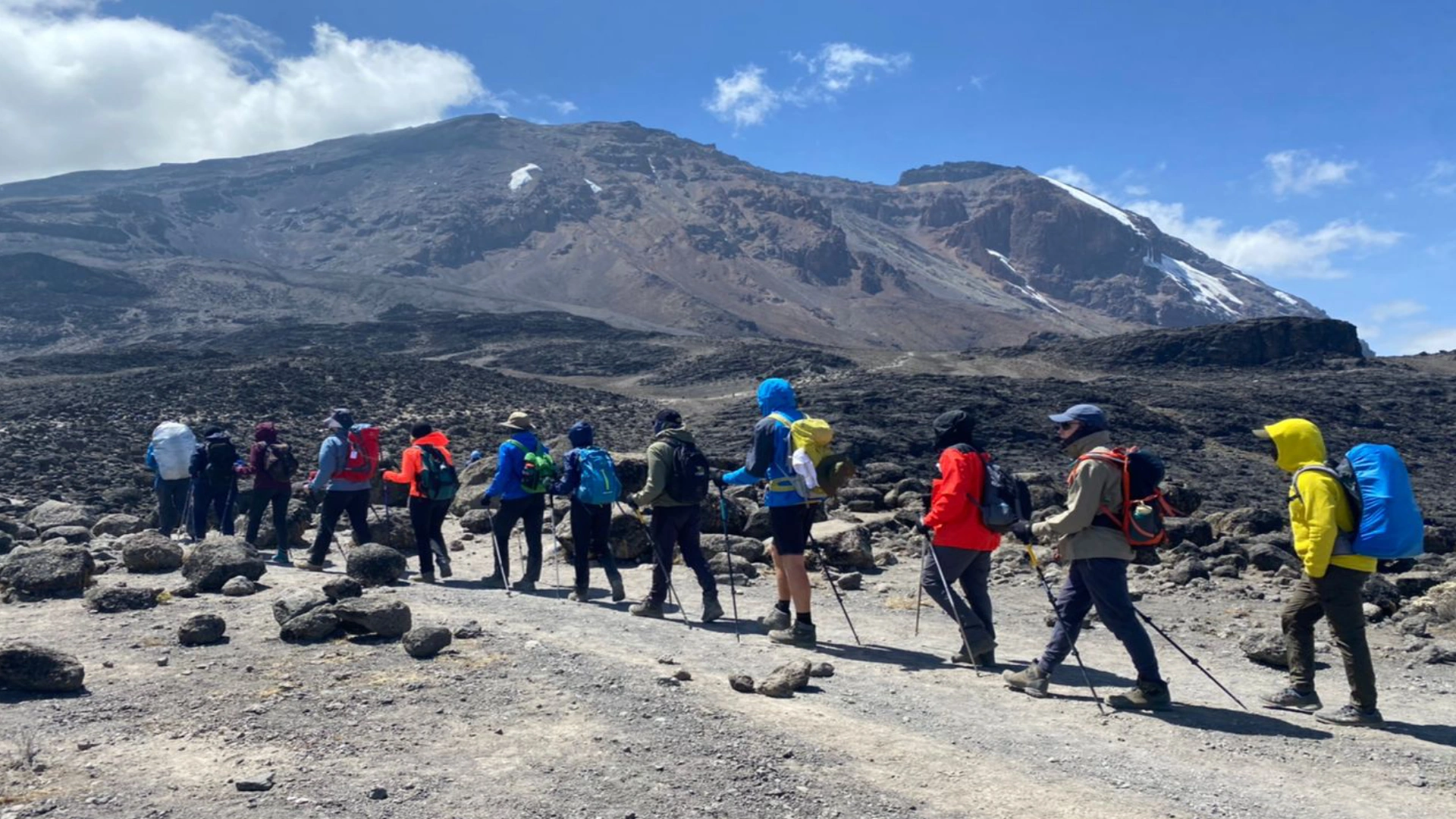
Cross one of the highest plateaus on earth, with an optional climb to Shira Cathedral (3,880 m) for better acclimatisation. The day ends with a gradual climb to camp.
Overnight: Shira 2 Camp
3,850 m to 3,900 m
Elevation gain: 750 mElevation loss: 700 m
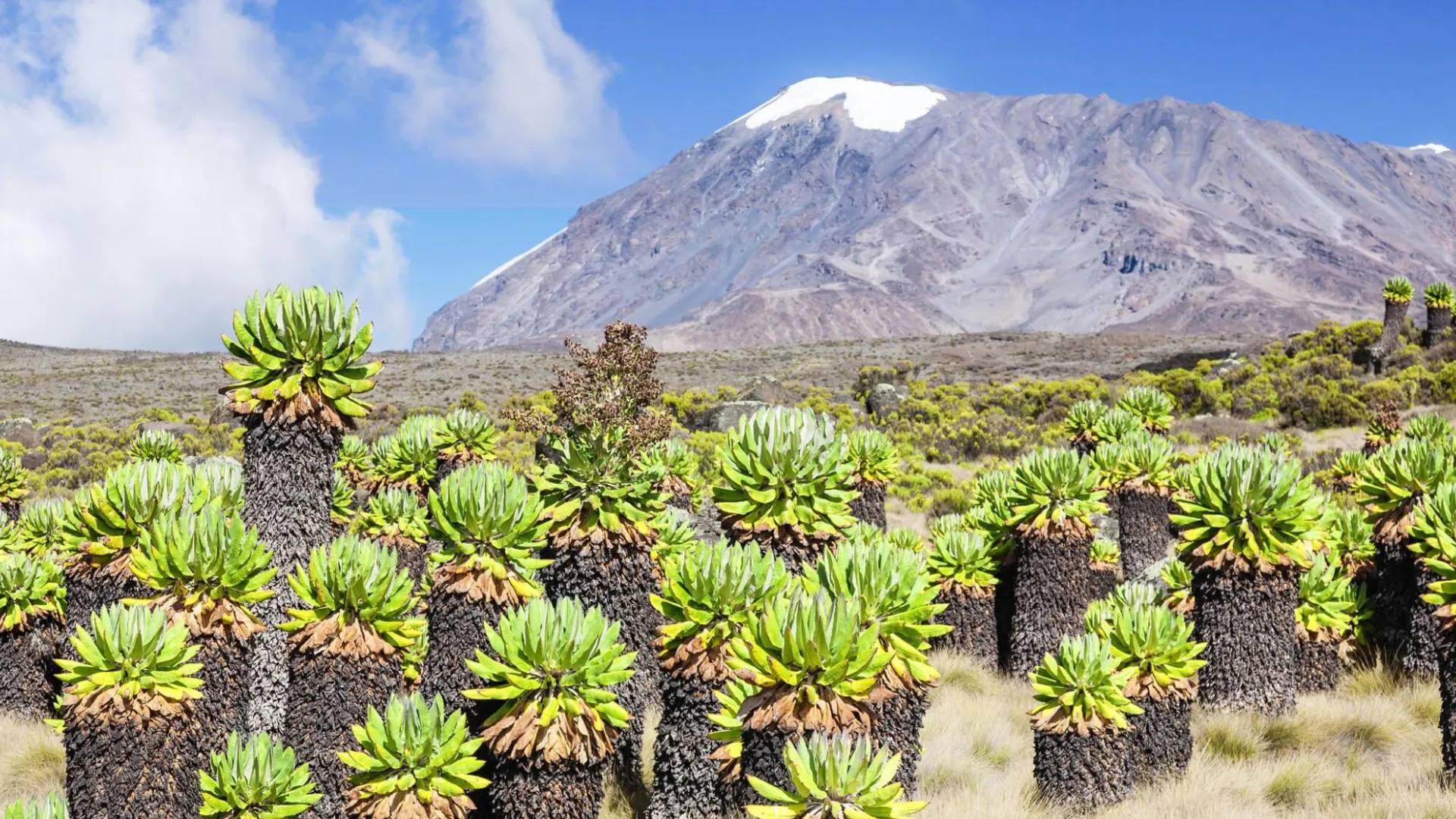
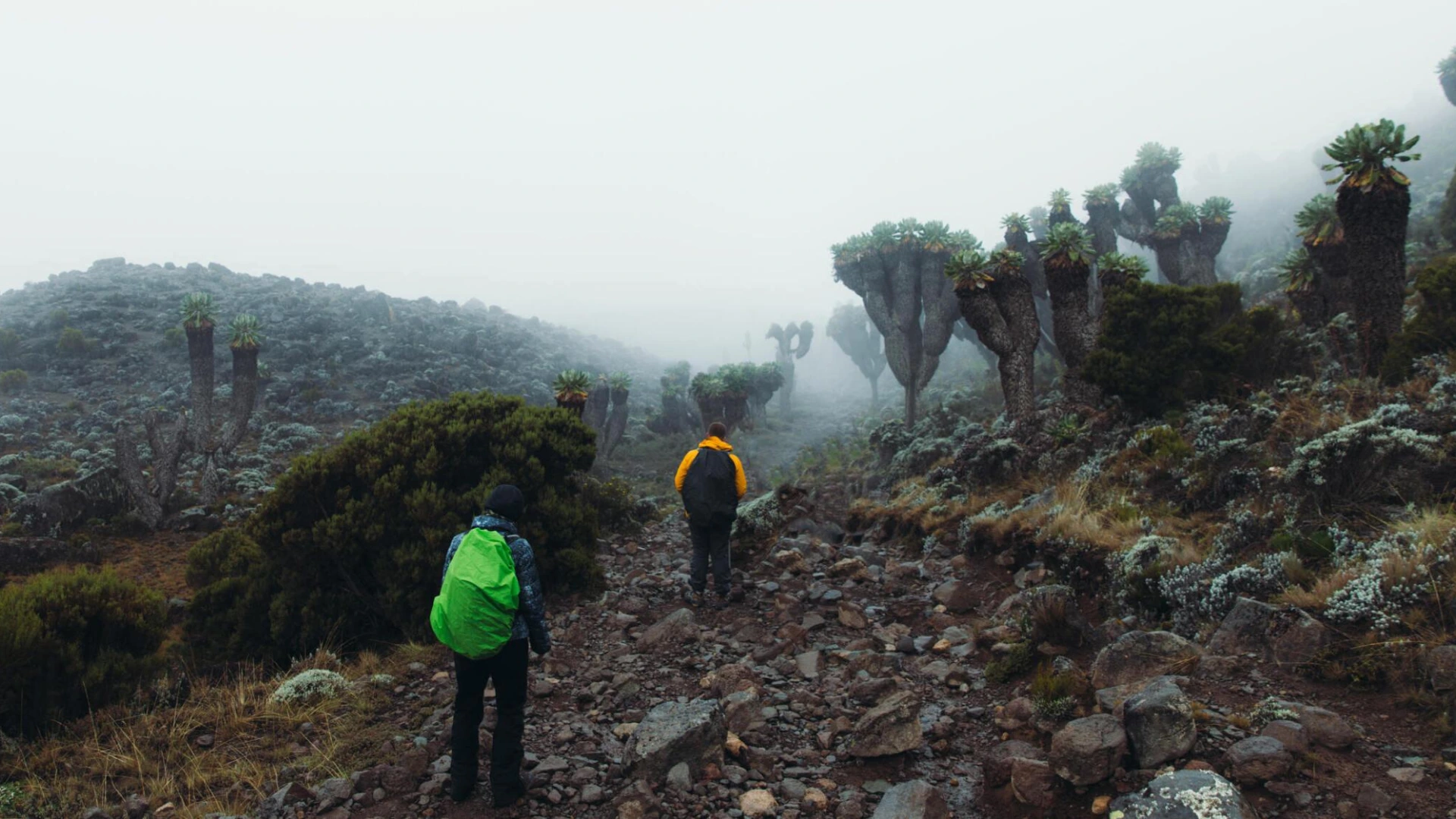
Climb over high desert ridgelines to Lava Tower at about 4,600 m, then descend into the Barranco Valley past giant senecio plants. You finish at almost the same height you started, which is exactly what makes this day so valuable for acclimatisation.
Overnight: Barranco Camp
3,900 m to 3,950 m
Elevation gain: 300 mElevation loss: 250 m
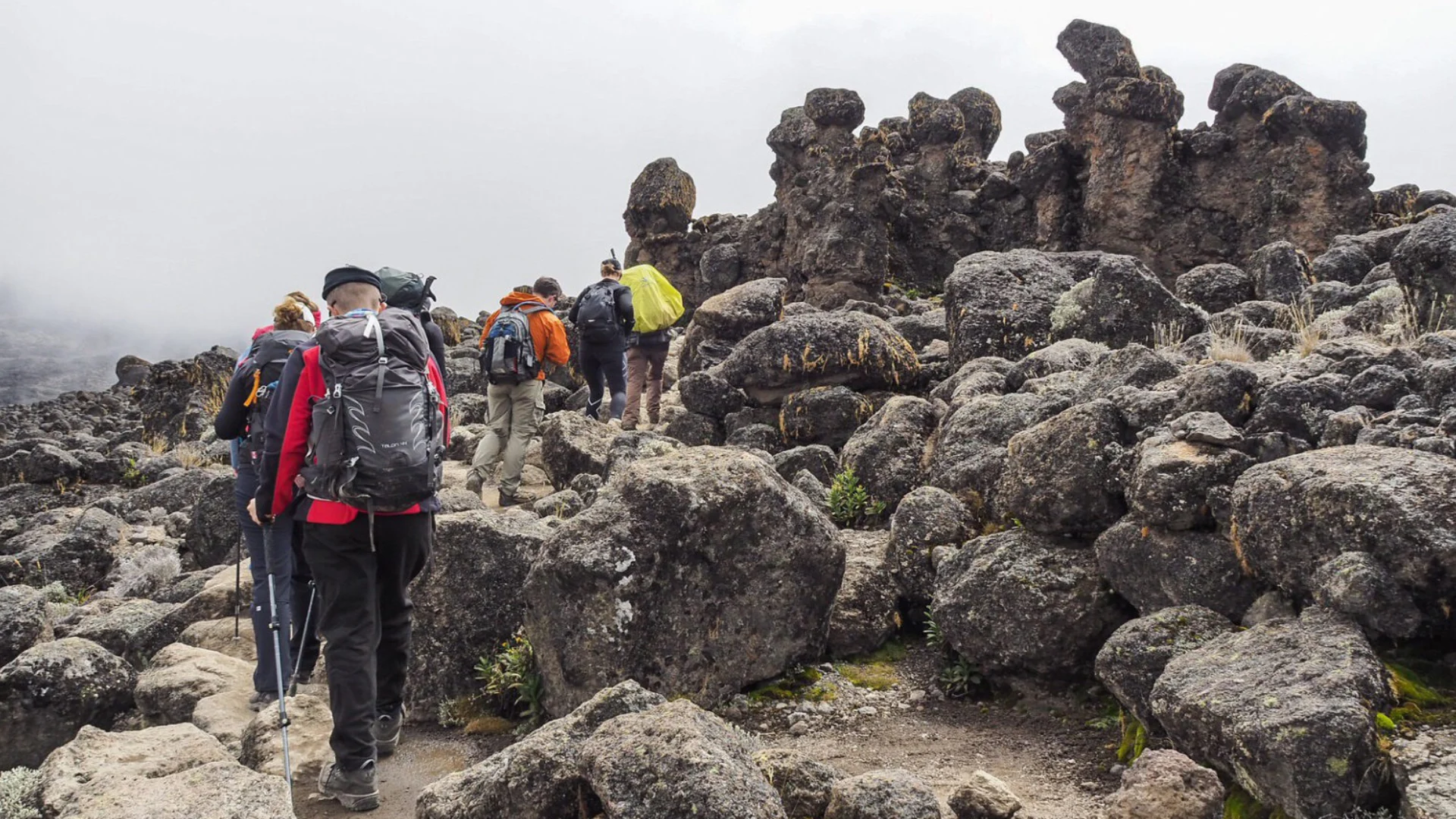
Start with the Barranco Wall, an exhilarating scramble with fine views back to camp. On a clear day Kibo rises to one side and Mount Meru to the other. Descend into Karanga Valley and finish with a short, steep climb to camp.
Overnight: Karanga Camp
3,950 m to 4,800 m
Elevation gain: 850 m4–5 hours trekking
Climb steadily to Barafu, then up a rocky slab to Kosovo, a small camp below the summit cone. You arrive in time for lunch and a full summit briefing, then rest for the afternoon.
Overnight: Kosovo Camp
4,800 m to 5,895 m, then down to 3,110 m
Elevation gain: 1,095 mElevation loss: 2,785 m
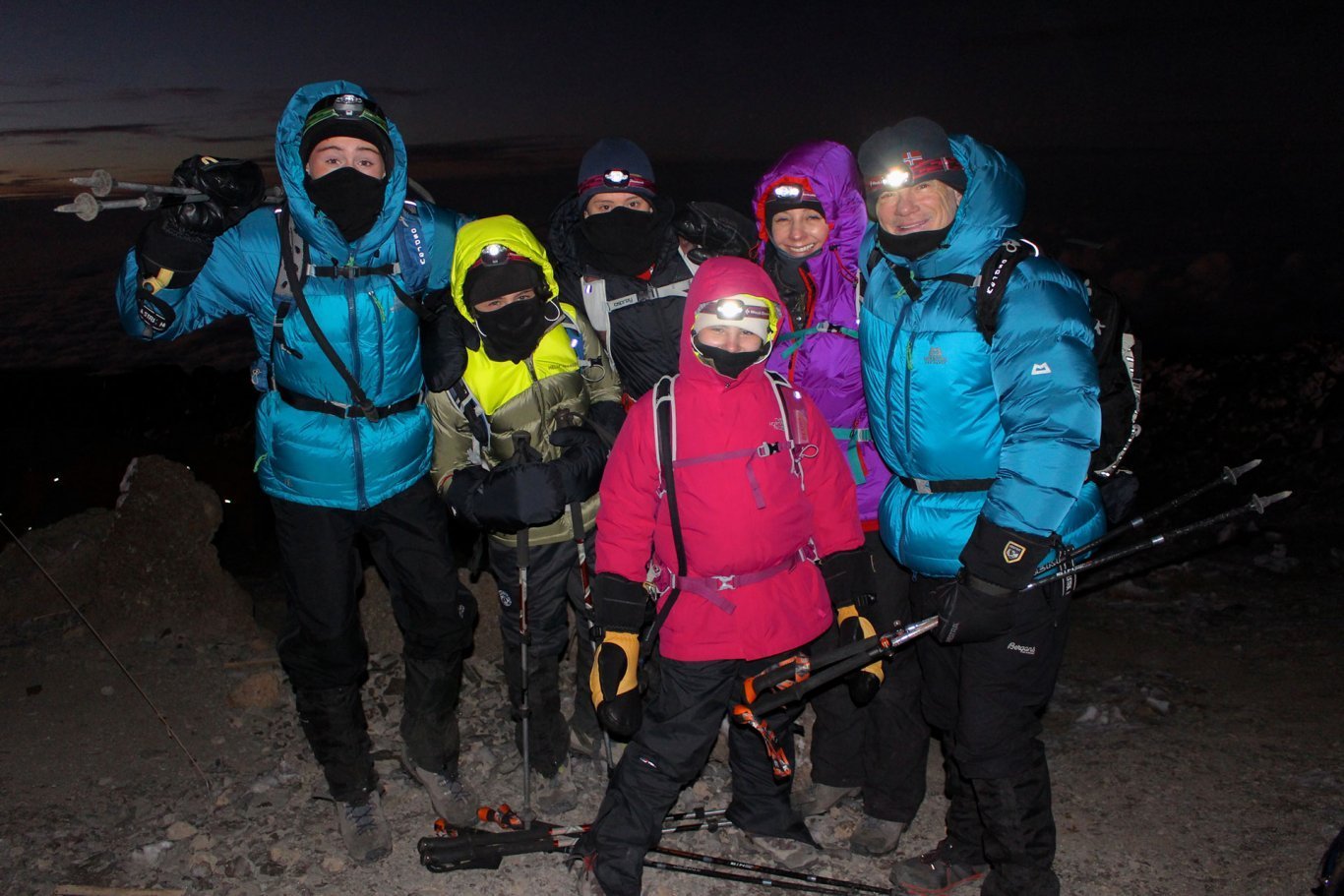
Begin the final ascent in the early hours, about five to seven hours to the crater rim at Stella Point (5,750 m) and then Uhuru Peak. Nights are very cold, so dress for temperature extremes. After sunrise you descend, with lunch on the way, to Mweka Camp.
Overnight: Mweka Camp
3,110 m to 1,830 m
Elevation loss: 1,280 m2–3 hours trekking
Descend through lush forest, watching for monkeys. You are collected from Mweka Village and taken to your hotel in Moshi.
Overnight: hotel in Moshi
Transfer to Kilimanjaro Airport
Transfer to the airport in time for your flight, or begin the next stage of your Tanzanian adventure.
What’s covered

Included & excluded

Know exactly what your price covers before you book.

Included

  • Park, camping and rescue fees
  • Head guide and assistant guides
  • Cook and porters’ salaries
  • All meals and drinking water on the mountain
  • Tents and sleeping mats
  • Emergency oxygen
  • Transport to and from the park gate, plus VAT
  • Hotel in Moshi with dinner and breakfast before and after the climb
  • Airport transfers

Not included

  • Hire of personal equipment (clothing, sleeping bag etc.)
  • Tips for your crew (ask us for current guidance)
  • Private toilet (on request)
  • Visas and vaccinations
  • Travel insurance
  • Spending money
  • Drinks and lunches in Moshi
Plan with a local

Talk to a local expert

Connect with our local team for personalized planning. Share your dates, fitness level, and the experience you want, and we will build a Lemosho itinerary around you.

Prefer a call-back?

We reply fast

Send us a short message and a travel designer will contact you with ideas and prices.

Make an enquiry→
Trail features

Scenic, wild, high

Lemosho delivers forest, plateau, ridge and summit in one journey.
01

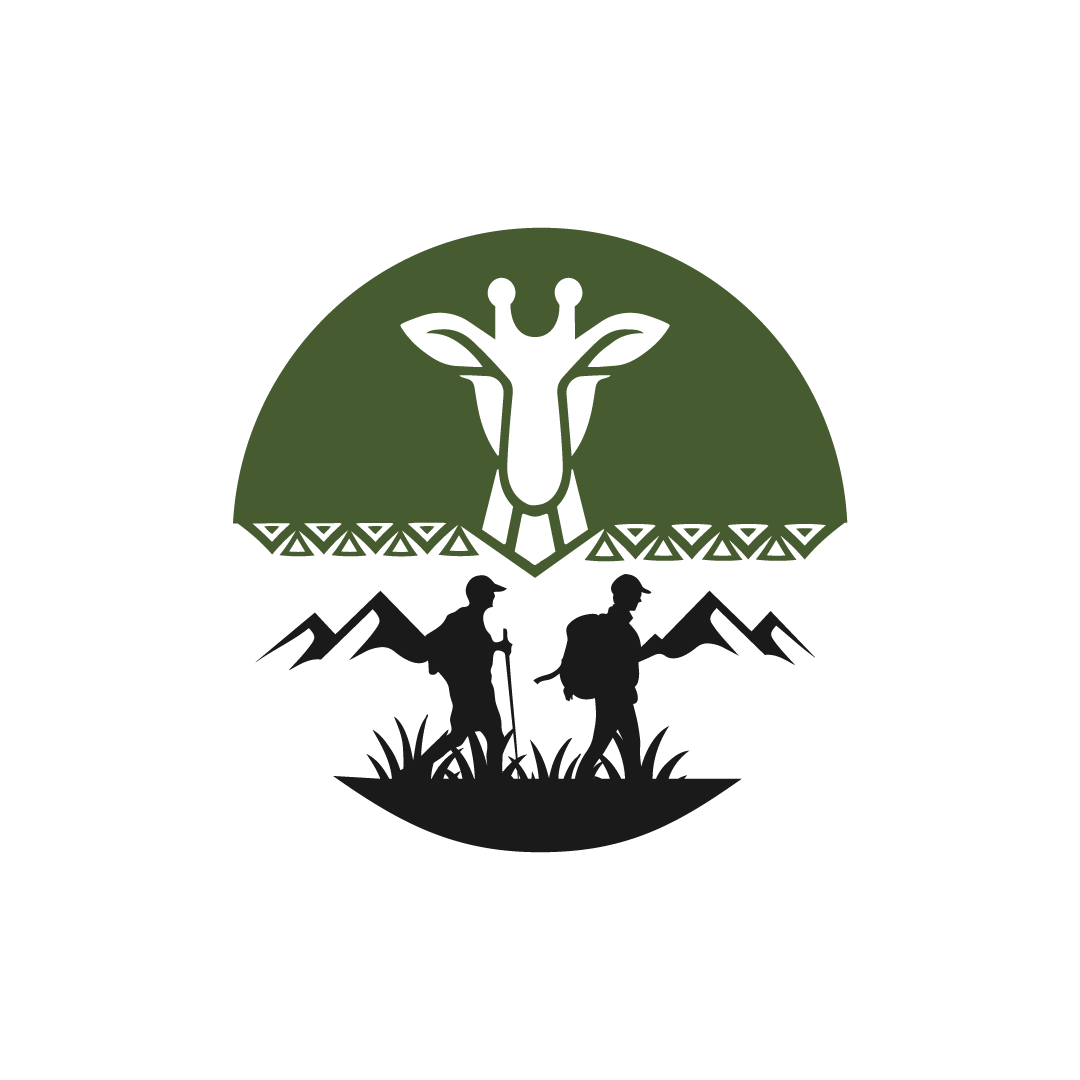
Begin in lush rainforest alive with birdsong, mist and ancient trees.

02

Cross the Shira Plateau, climb Lava Tower and scramble the Barranco Wall at a steady pace.

03

Summit beneath the moon, watch daybreak from Uhuru Peak, then descend through Kilimanjaro’s changing worlds.

7–8 days
Hike length
On request
Average climb cost
High
Summit success rate
Summit odds

Lemosho route success rate

Eight days on the Lemosho Route allows more time for acclimatisation, with spectacular views and a well-paced ascent. Both 7- and 8-day itineraries offer a route to the summit, although individual results vary with fitness, altitude response and weather.

  • 7-day Lemosho: Crater Rim – 96.5%; Uhuru Peak – 94.9%.

  • 8-day Lemosho: Crater Rim – 95.0%; Uhuru Peak – 91.7%.

Important: These are published operator-reported figures, not official, independently verified industry statistics.

Where you sleep

Campsites along the Lemosho route

Camps are placed at carefully chosen elevations to help acclimatisation and rest.

Camp NameElevation (m)Elevation (ft)
Londorossi Gate2,1006,890
Mti Mkubwa Camp2,8209,250
Shira 1 Camp3,50511,499
Shira 2 Camp3,84012,598
Moir Hut Camp4,20013,780
Lava Tower Camp4,63015,190
Barranco Camp3,95012,960
Karanga Camp3,99513,106
Barafu Camp4,67315,331
Mweka Camp3,10010,170
Know your budget

Prices for Lemosho route

Your price depends on trek length, group size and service level.

Lemosho 7 days

$2,350
per person

A shorter climb, priced by group size and the level of service you choose, including accommodation, meals, equipment hire and park fees.

Request a quote→

Lemosho 8 days

$2,450
per person

A more relaxed pace with better acclimatisation and higher summit odds, priced by group size and service level.

Request a quote→

Things to remember

Plan for extras: crew tips, travel insurance and visa fees are budgeted separately from your climb price.

The best months for Lemosho are the dry seasons, January to March and June to October. These are also the busiest, so book early.

Consider a full-moon climb: moonlight lights the summit path beautifully and adds something special to the experience.

Common questions

Lemosho route questions

Straight answers to what climbers ask most before choosing Lemosho.

Most climbers take 7 or 8 days. The extra time allows better acclimatisation and a stronger chance of reaching the summit.
Moderate to challenging. It needs good fitness, stamina and determination because of steep sections and high altitude, but the gradual profile makes it kinder than many shorter routes.
Lemosho consistently ranks among the best routes, especially on 7- and 8-day itineraries. Add your own verified percentages and your definition of success here.
Yes. It crosses rainforest, moorland, the Shira Plateau, alpine desert and the Barranco Wall before reaching the summit, which makes it one of the most scenic routes.
Typically 6 to 12 km (about 3.7 to 7.5 miles), depending on the day and the camp.
No. Compared with other routes it is generally quieter, especially in the first days when it is far from the main trailheads.
Training is not mandatory but strongly recommended: cardio, strength work and hiking in the months before your climb.
The drier seasons, January to March and June to October, give the most settled weather.
Around six nights on the mountain, such as Shira 1, Barranco, Karanga, Barafu and Mweka, with a few variations depending on the itinerary.
Lush forest, views across the Shira Plateau, the Barranco Wall, the lunar landscapes of the southern circuit and a sunrise from the summit.