
 3 – 8 hours
Game Drives
Wildlife
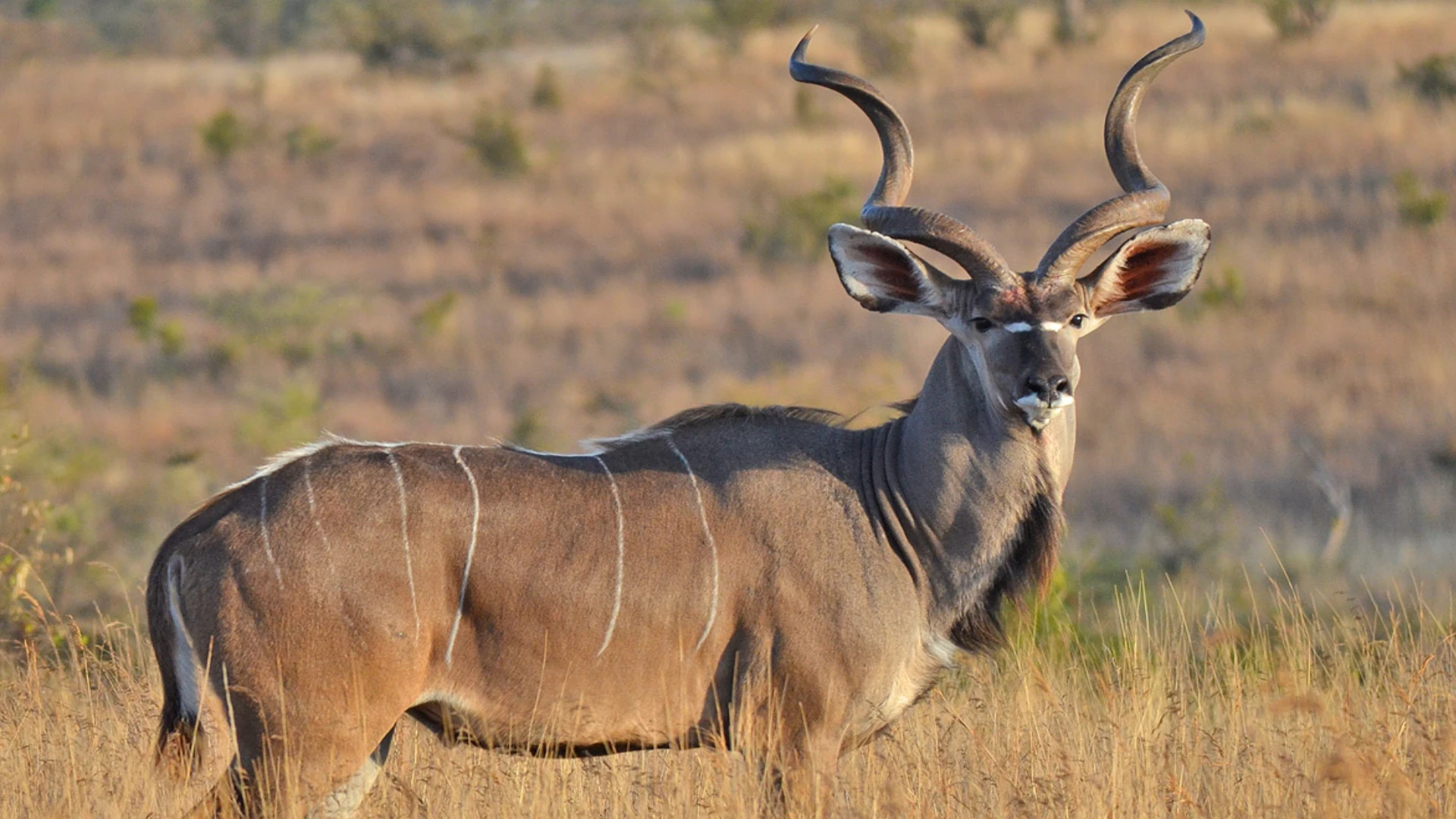
Explore open plains, baobab woodland, and dry riverbeds with an expert driver-guide, with strong chances of lions, elephants, giraffe and kudu.
Ask about this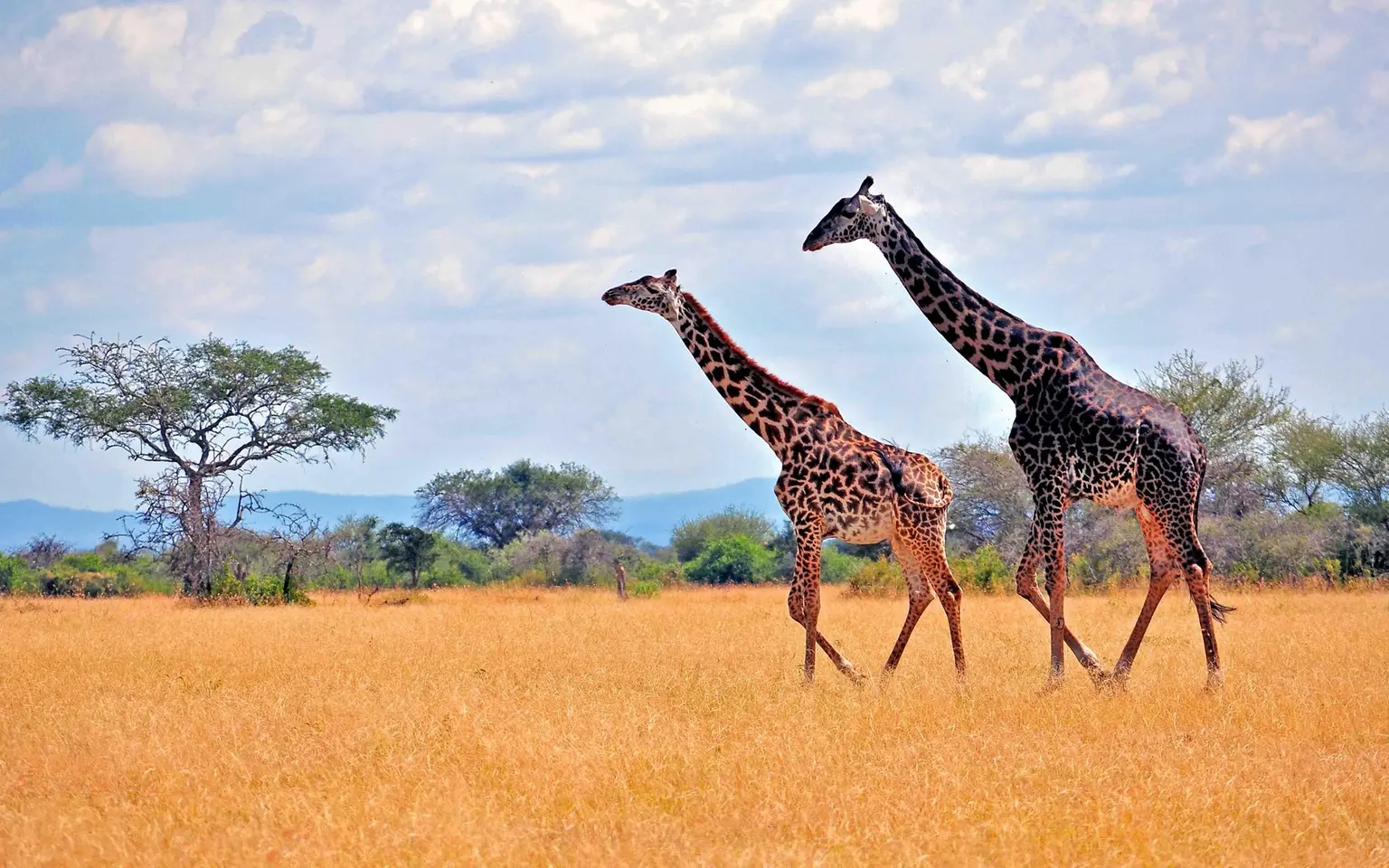
A vast, remote wilderness of baobab- dotted plains, rocky hills, and the Great Ruaha River, where lions, elephants and African wild dogs roam far from the crowds.
From the sand-bed gorges of the Great Ruaha River to the baobab- Studded plains of the interior, Ruaha is a rugged and uncrowded park where Tanzania’s southern and eastern African wildlife meet.
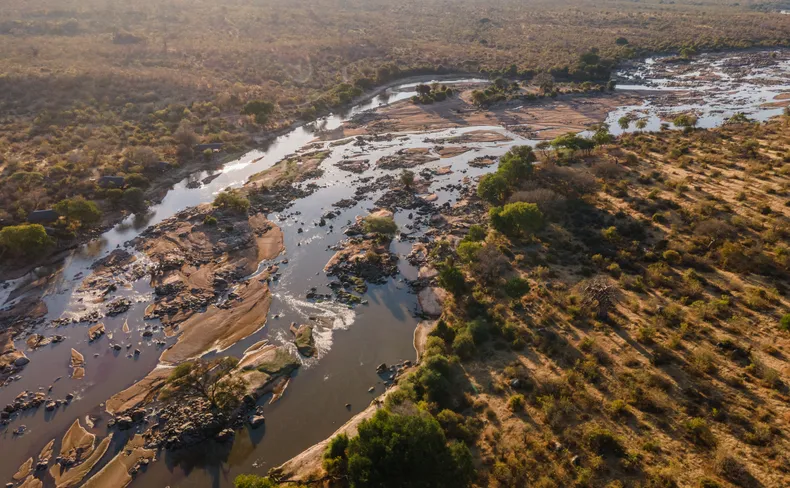
The name Ruaha comes from the Hehe word for “river,” after the Great Ruaha River that shapes the park. The area began as the Saba Game Reserve in 1910, became part of the Rungwa Game Reserve in 1946, and was gazetted as Ruaha National Park in 1964. In 2008 the Usangu wetlands were added, bringing it to about 20,226 km².
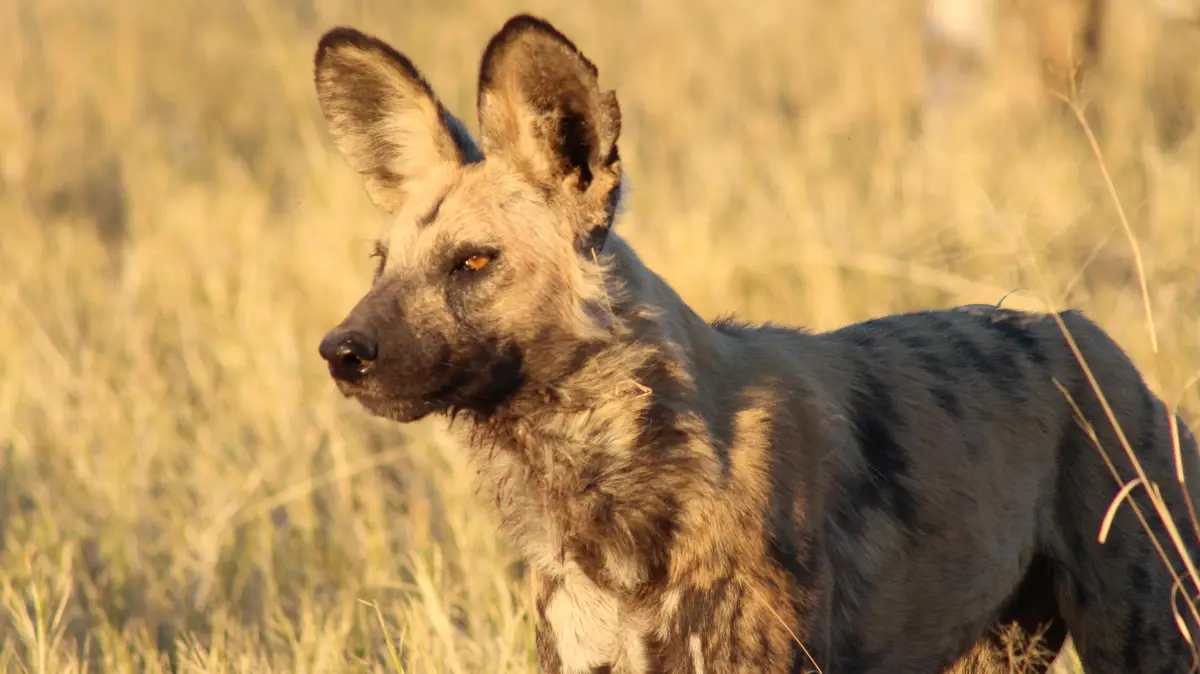
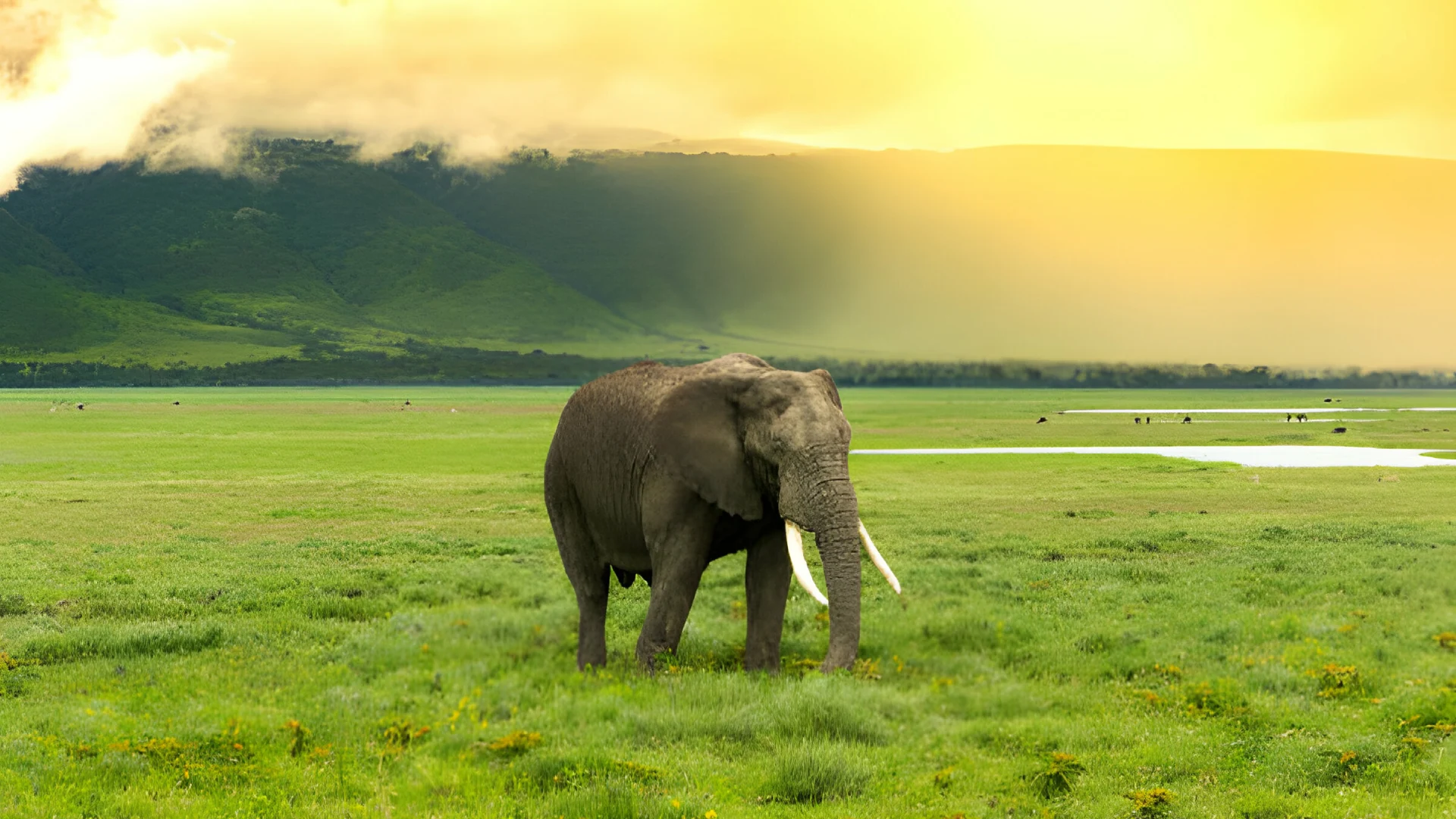
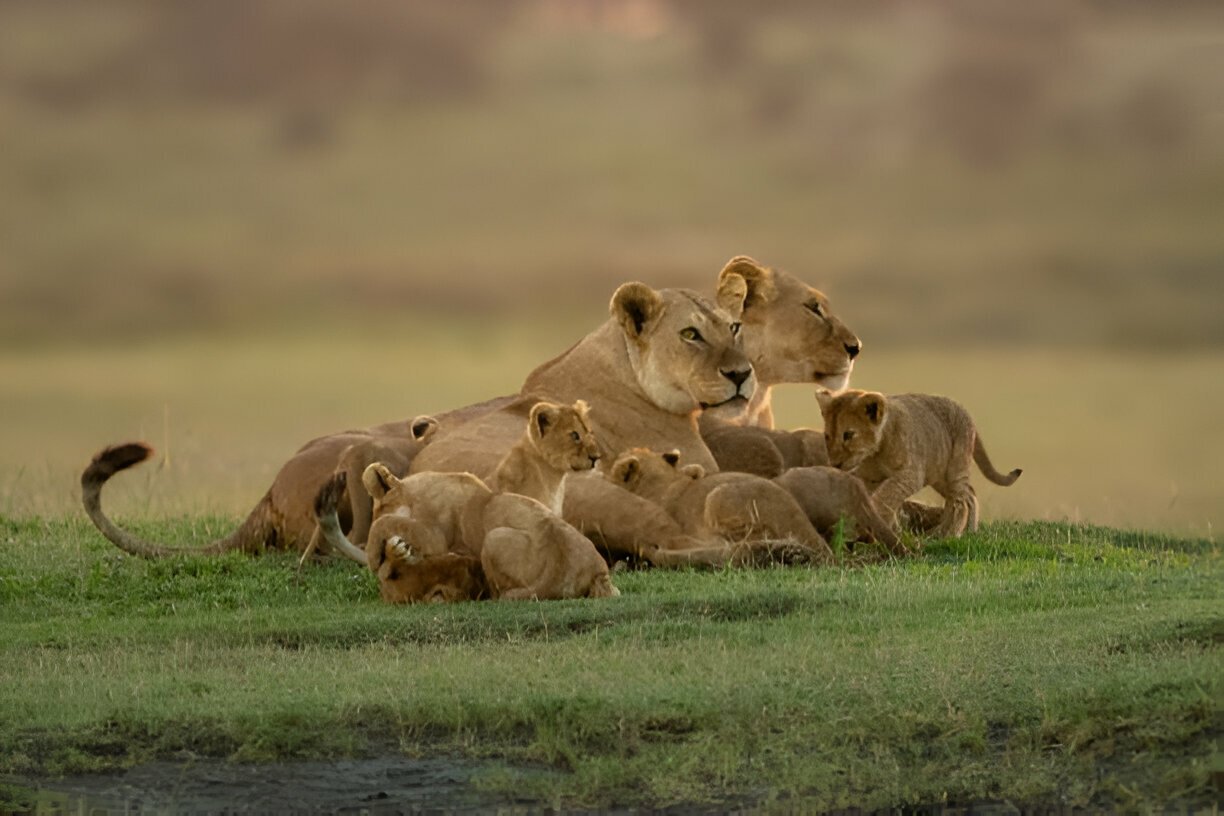
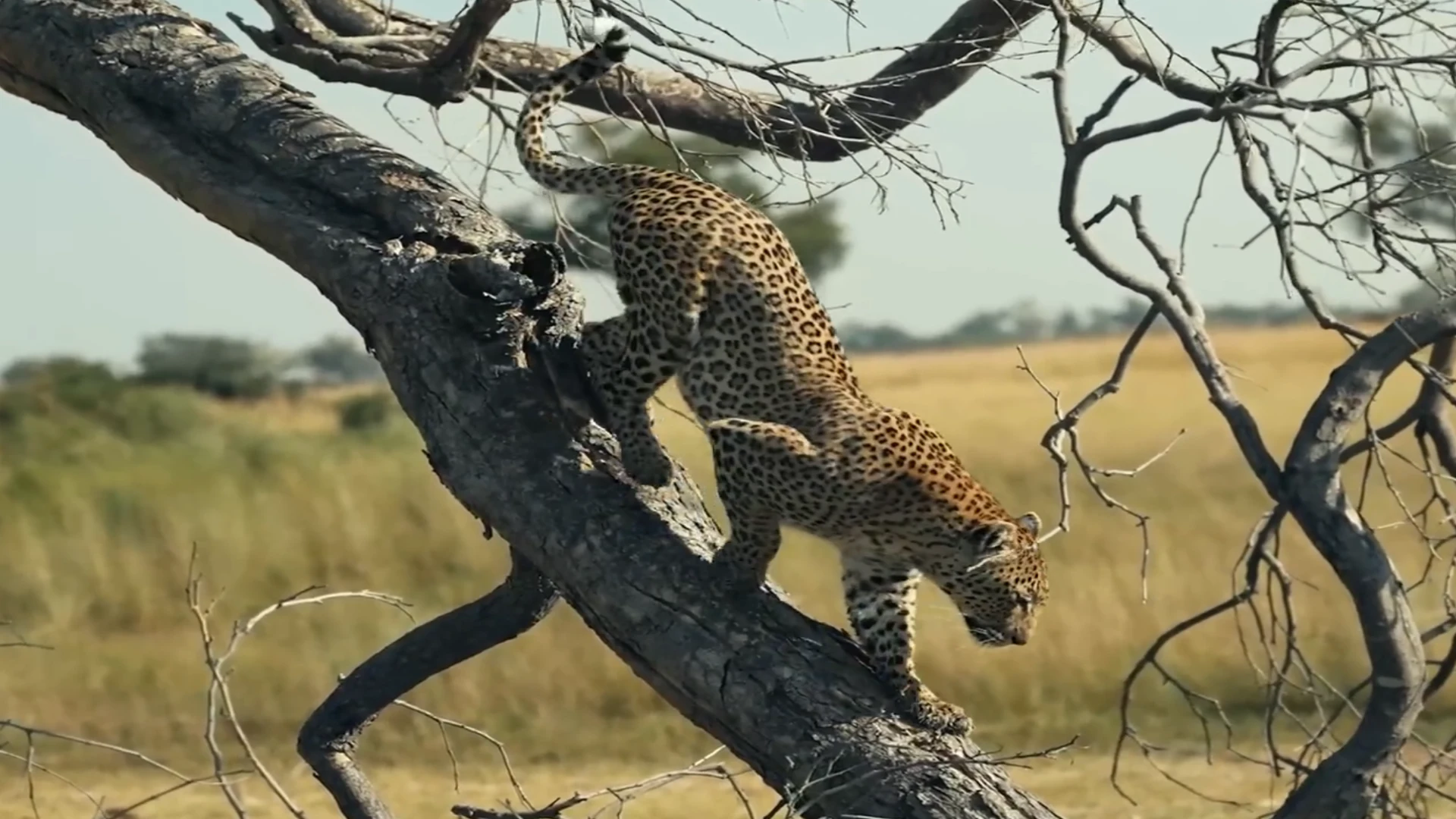
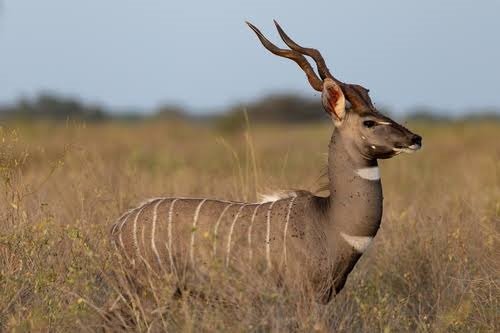
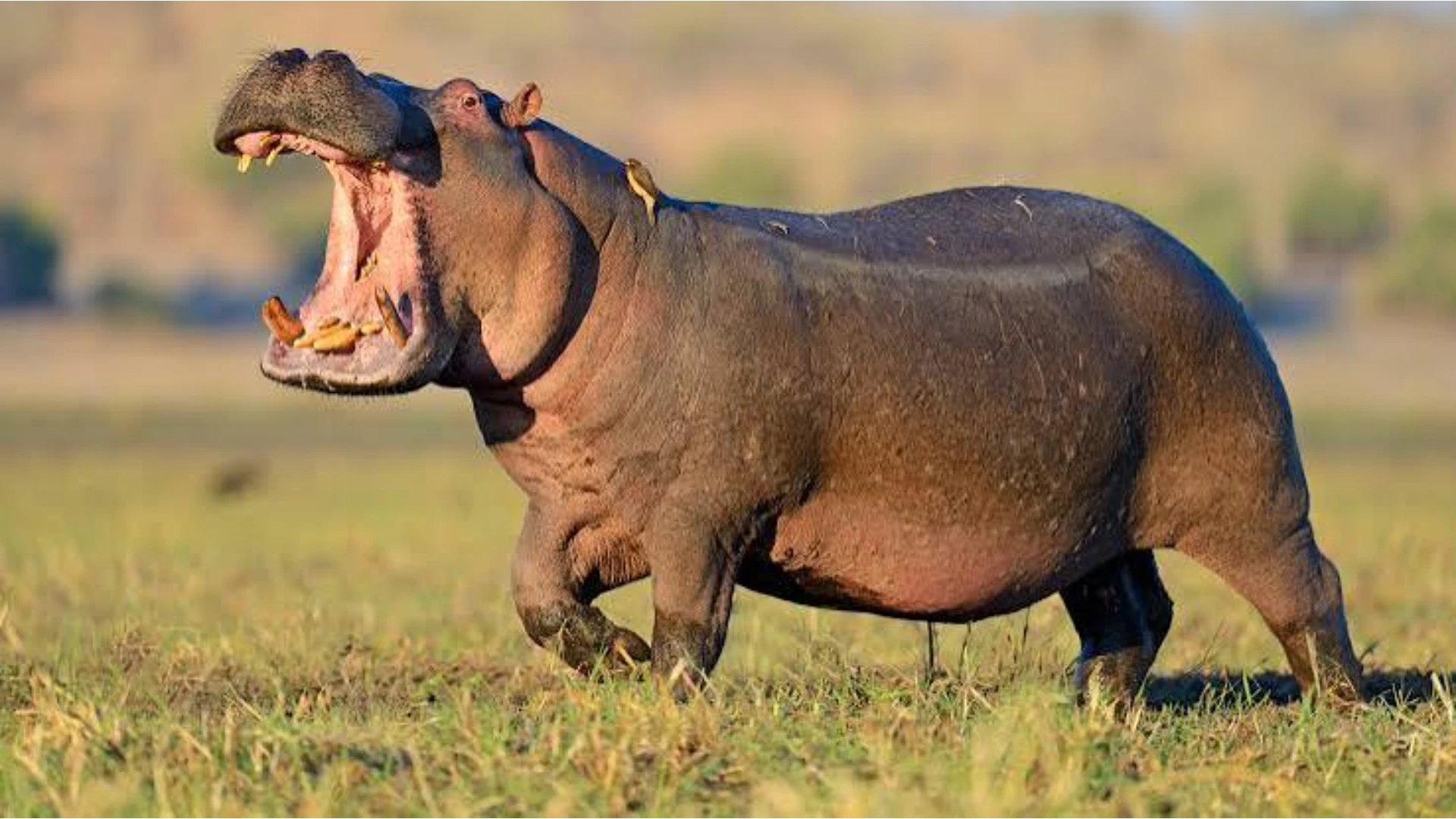
Ruaha is known for its large elephant herds and an exceptional number of predators, including lions, leopards, and African wild dogs. Greater and lesser kudu, hippo, and crocodiles add to the variety. Because it is remote and far less visited than the northern parks, a safari here feels wild and exclusive, and it is one of the best parks in East Africa for escorted walks.
From game drives along the Great Ruaha River to walks with a ranger, choose the experiences that shape your perfect safari.
3 – 8 hoursExplore open plains, baobab woodland, and dry riverbeds with an expert driver-guide, with strong chances of lions, elephants, giraffe and kudu.
Ask about this Half dayIn the dry season, animals gather along the river to drink, with hippos, crocodiles, and many birds in the pools and gorges.
Ask about this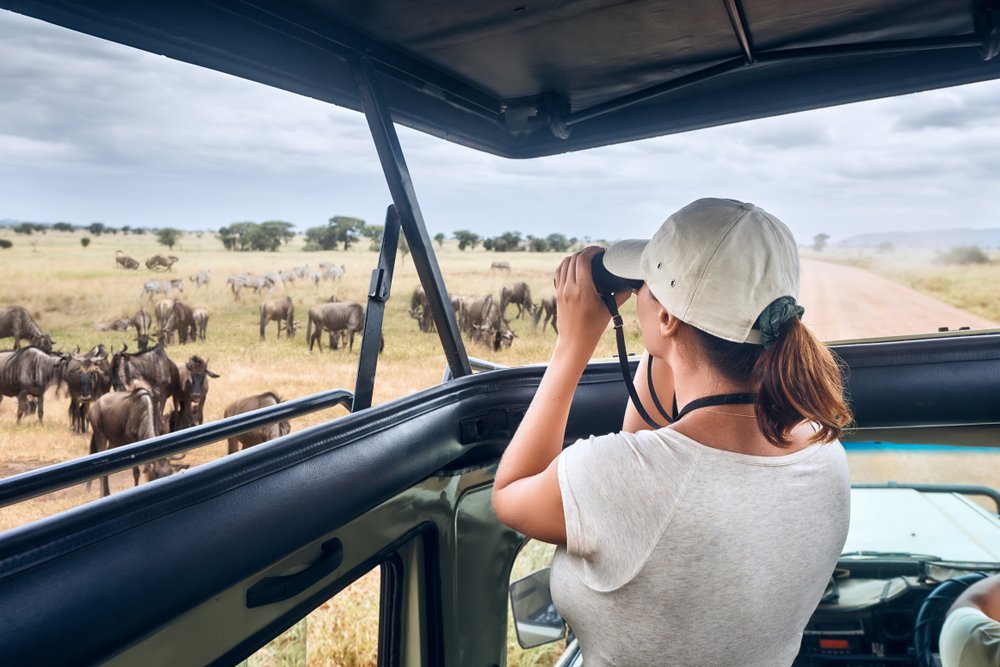 Full day
Flexible timings, patient stops and open landscapes make Ruaha rewarding for wildlife photographers seeking quiet, uncrowded scenes.
Ask about this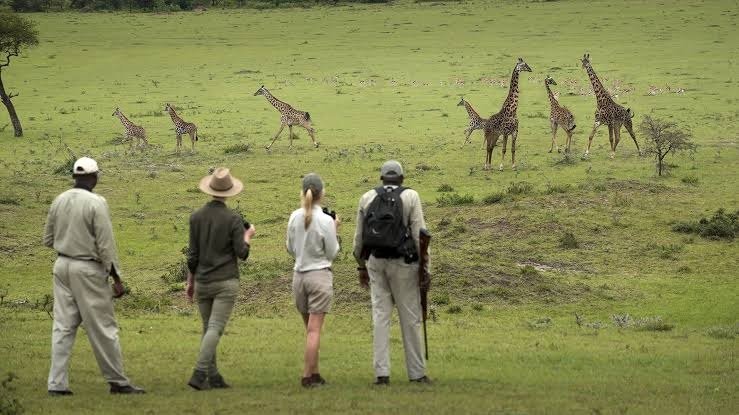 2 – 3 hours
Walk with an armed park ranger to read tracks, learn about plants, and see the bush at a slower pace, one of Ruaha’s signature experiences.
Ask about this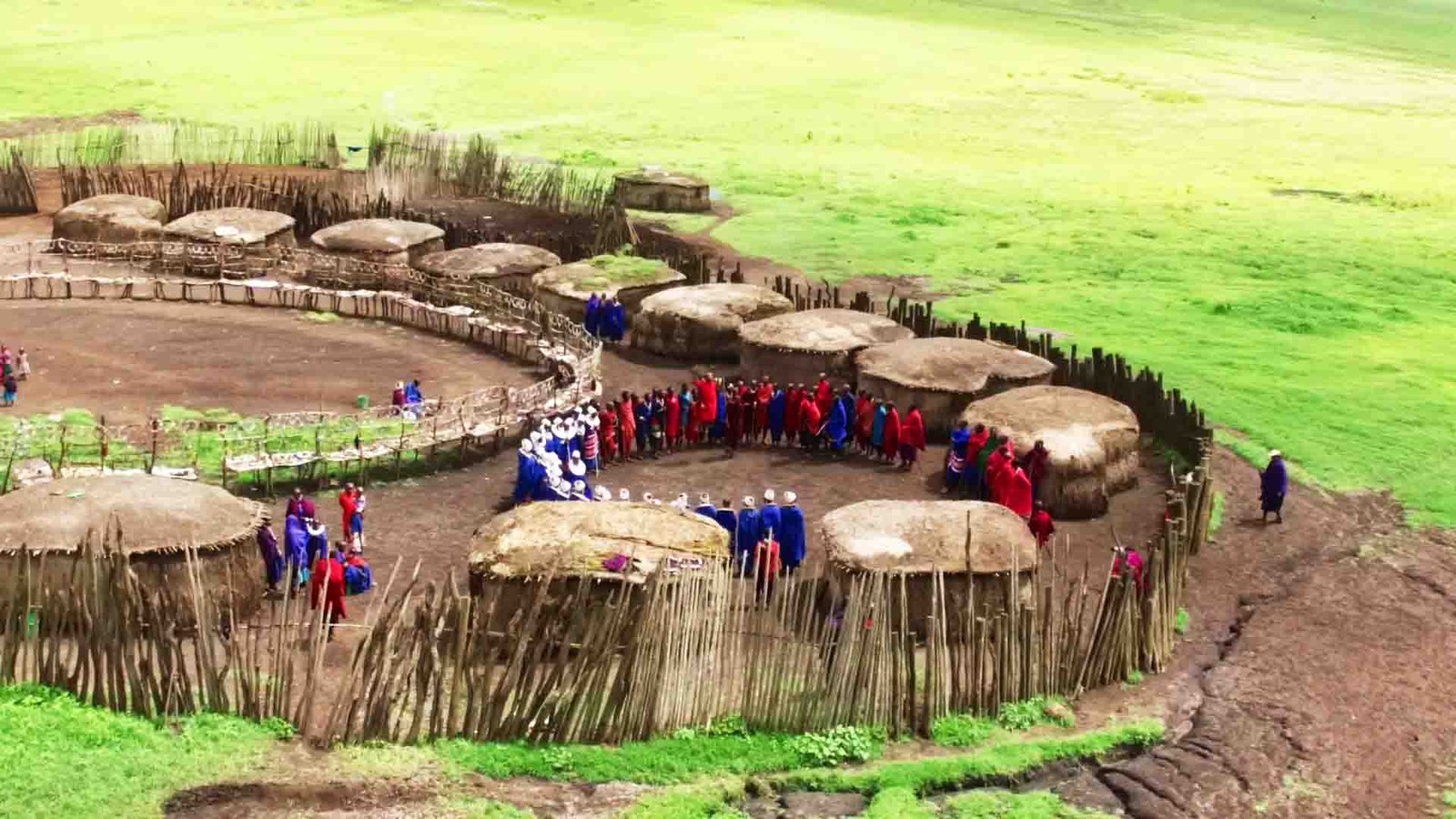 2–3 hours
Learn about the Hehe heritage and the communities living around the park and the Mbomipa wildlife area.
Ask about this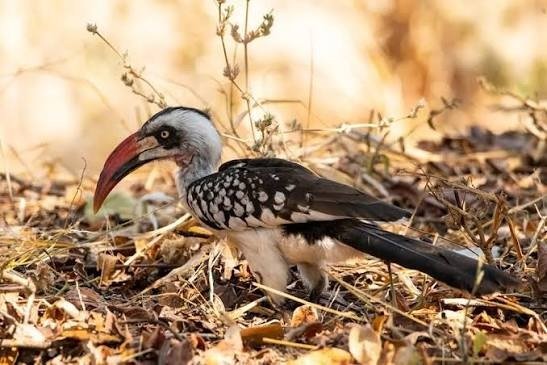 Flexible
More than 570 species are recorded, including water birds along the river and many migrants.
Ask about thisRuaha can be visited most of the year. The dry season brings the best wildlife viewing, while the green season brings birds and fewer visitors.
Lush landscapes, migrant birds and the fewest visitors. It is hot, wet and sometimes muddy, and wildlife is more dispersed.
Best for birdingThe rains fade and the park stays green and quiet. Roads and camps recover, so check access before booking.
Shoulder seasonCooler, drier days as the bush thins and animals begin to gather near water.
Great ViewingThe driest months, when game concentrates along the Great Ruaha River and sightings are at their best. Highlight this card.
Peak seasonHot, late-dry conditions with good wildlife viewing until the first rains arrive.
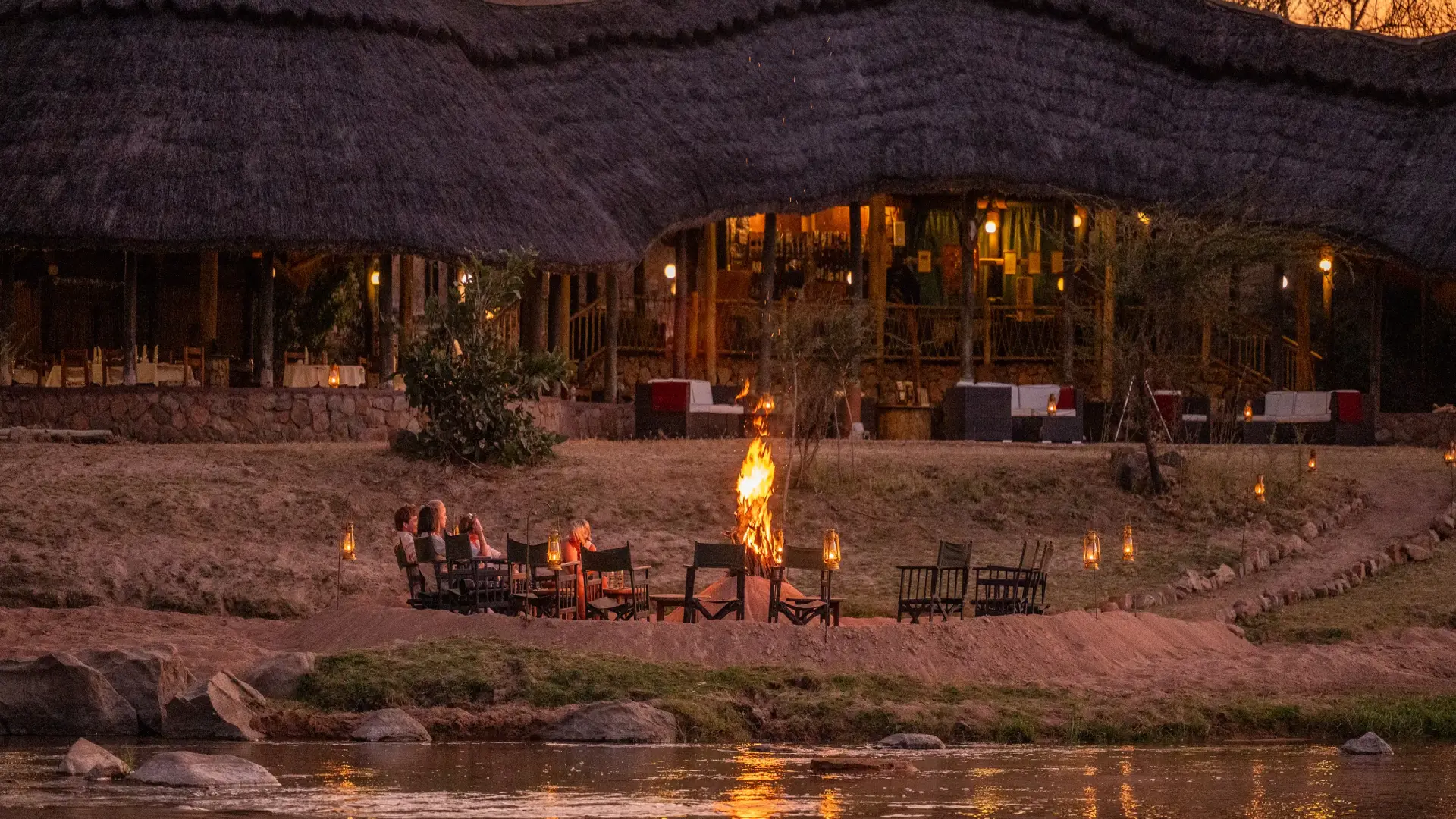
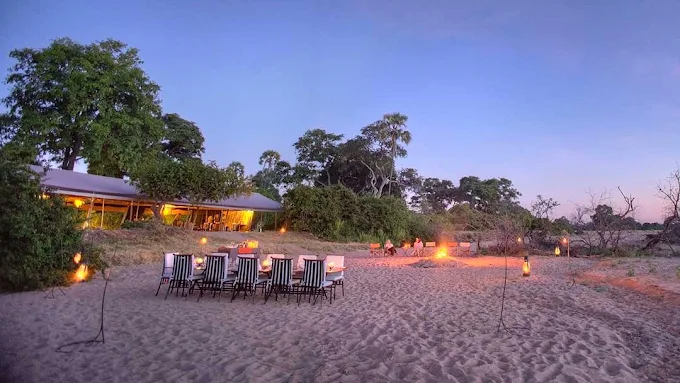
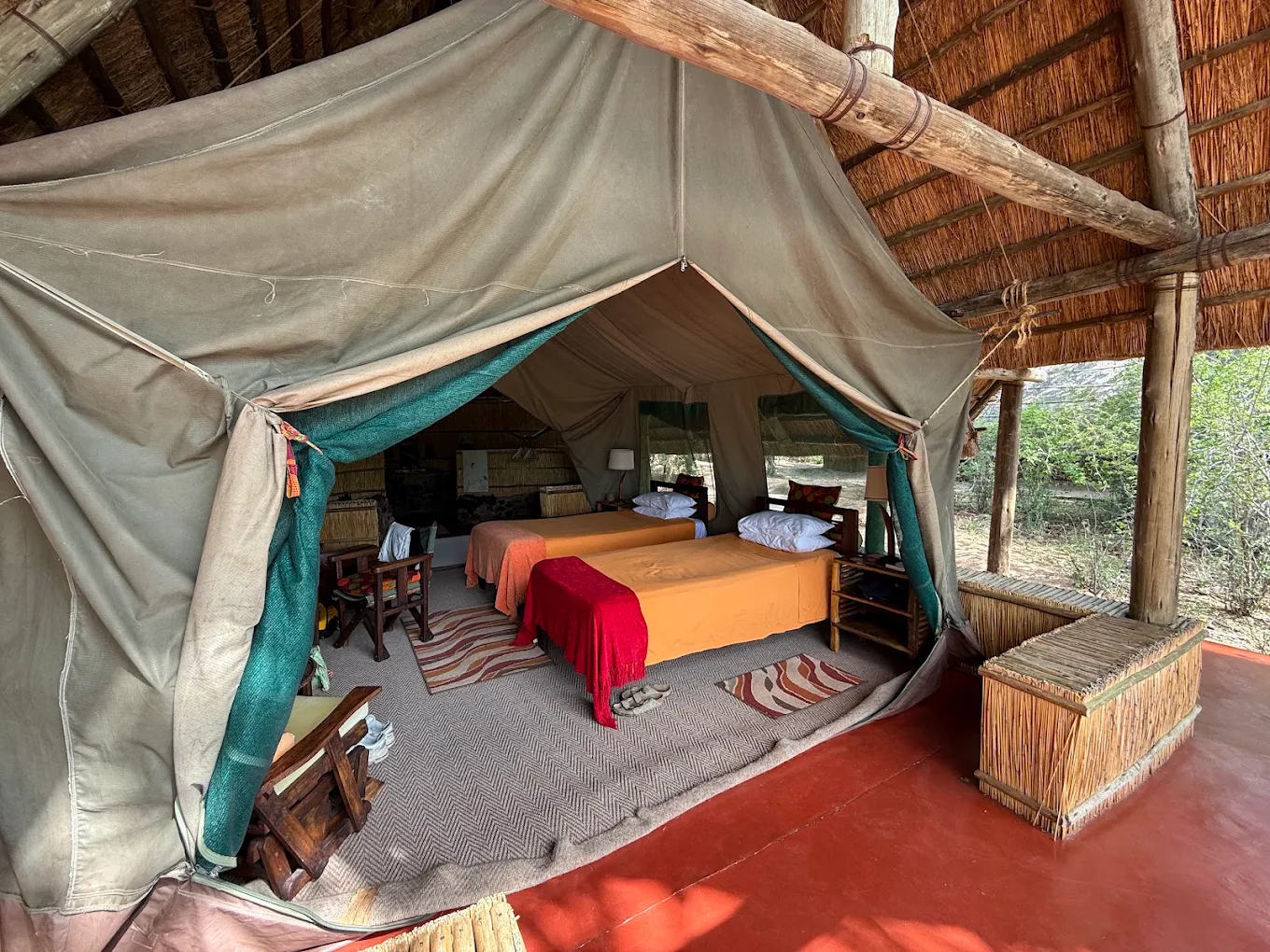
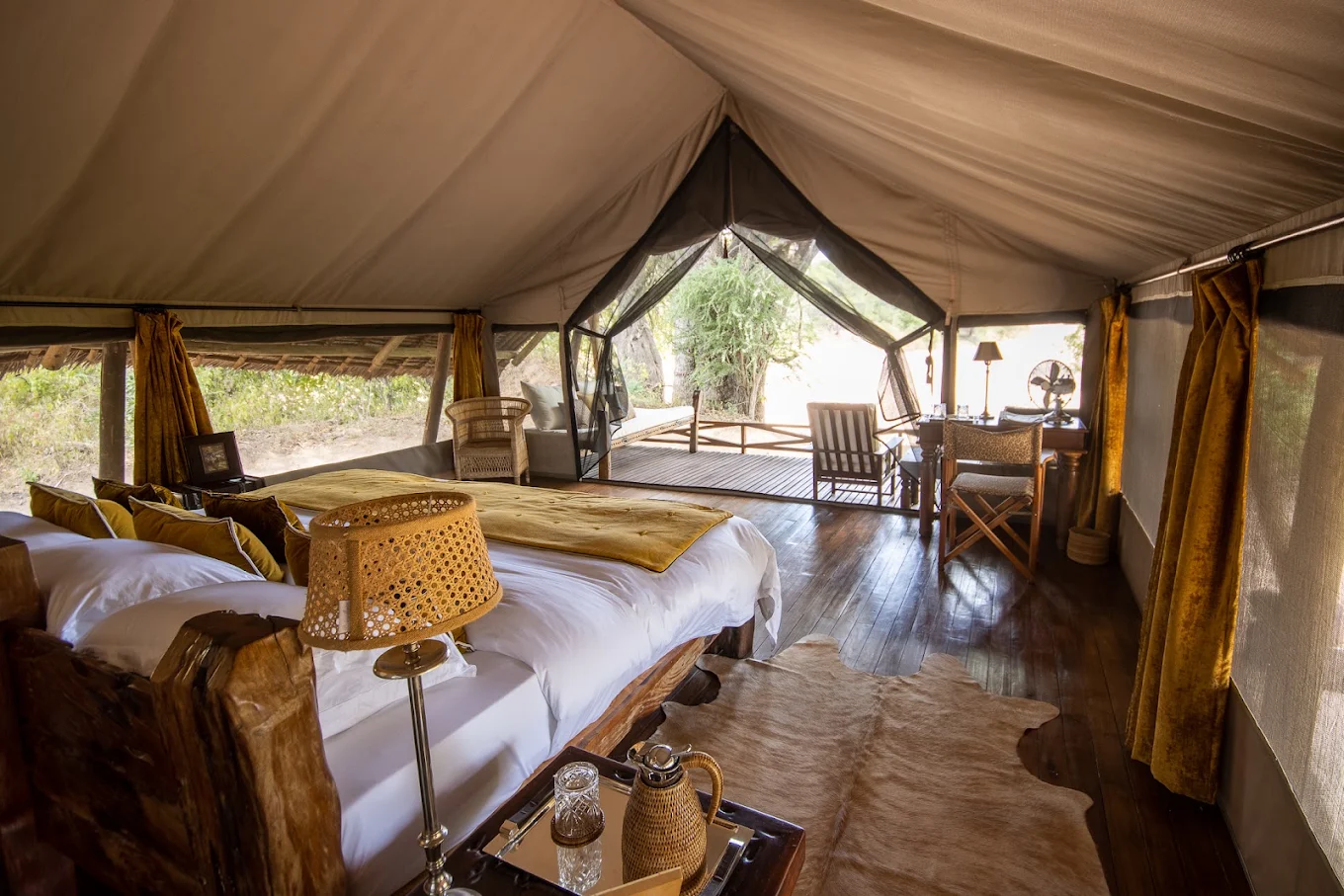
Seasonal transitionAccommodation is a small collection of riverside lodges, tented camps, and campsites. Because the park is remote, staying inside it saves long transfers.
 Cravater rim
 Northern Ruaha
 NgaMwagusi Riverorongoro highlands
 Near Msembe & Jongomero
A few essentials to help you shape the perfect journey.
Central to southern Tanzania, in the Iringa region, in the Southern Circuit.
Msembe (park headquarters) and Jongomero, both with airstrips.
Flying from Dar es Salaam or Arusha to Msembe or Jongomero is the easiest way to reach the park. By road, Ruaha is a long drive of roughly ten hours from Dar es Salaam, or about two to three hours on a dirt road from Iringa.
Riverside lodges, tented camps, and campsites inside or near the park.
Park, camping, vehicle, and ranger fees are set by TANAPA. Walking safaris need an armed ranger, so confirm current rates and booking steps before you travel.
Tell us when you want to travel and what inspires you, and we will design your journey.
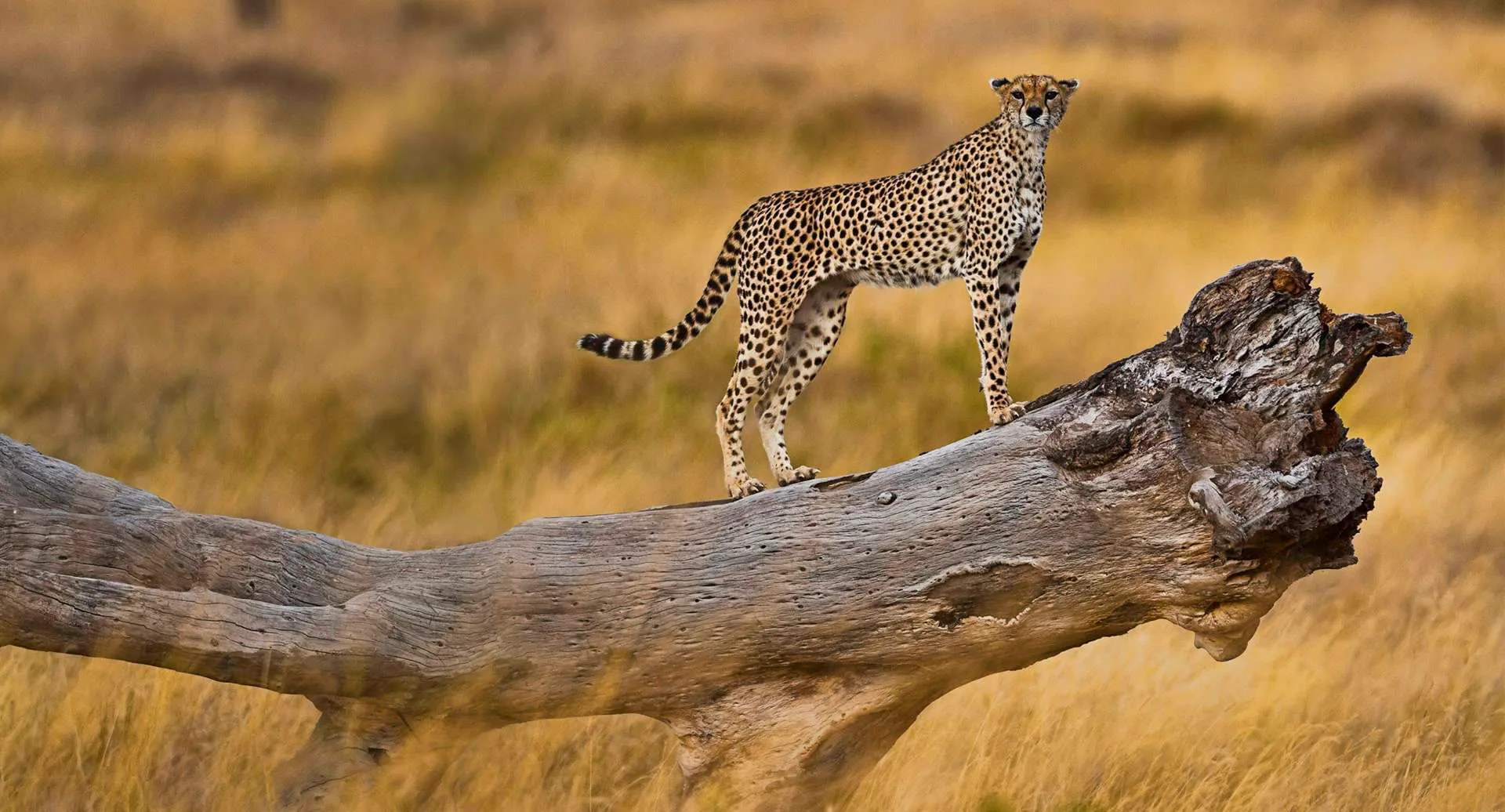
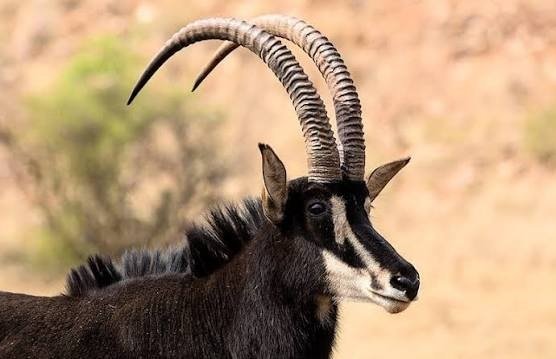
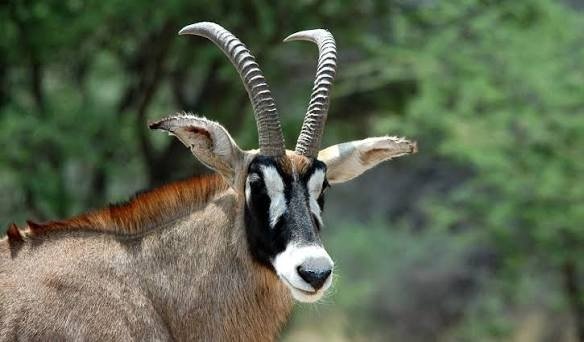
Ruaha’s mix of southern and eastern African species makes it one of Tanzania’s most rewarding wildlife parks. Keep your eyes open for these animals.
Pair the Ruaha with neighboring wonders to craft the ultimate northern-circuit Tanzanian safari.
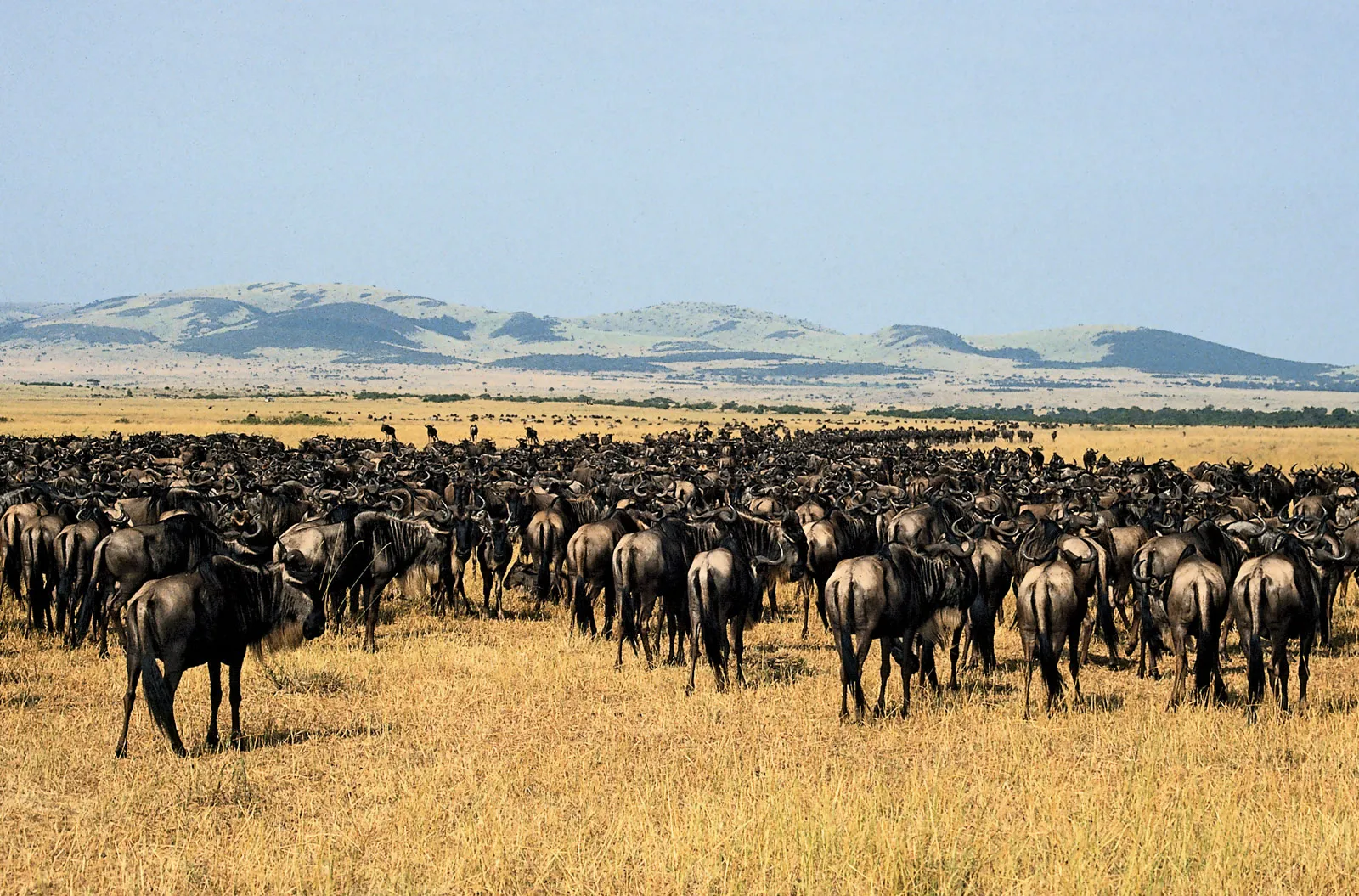 Northern Circuit
Home to the Great Migration and some of the richest wildlife viewing on Earth.
Explore this Park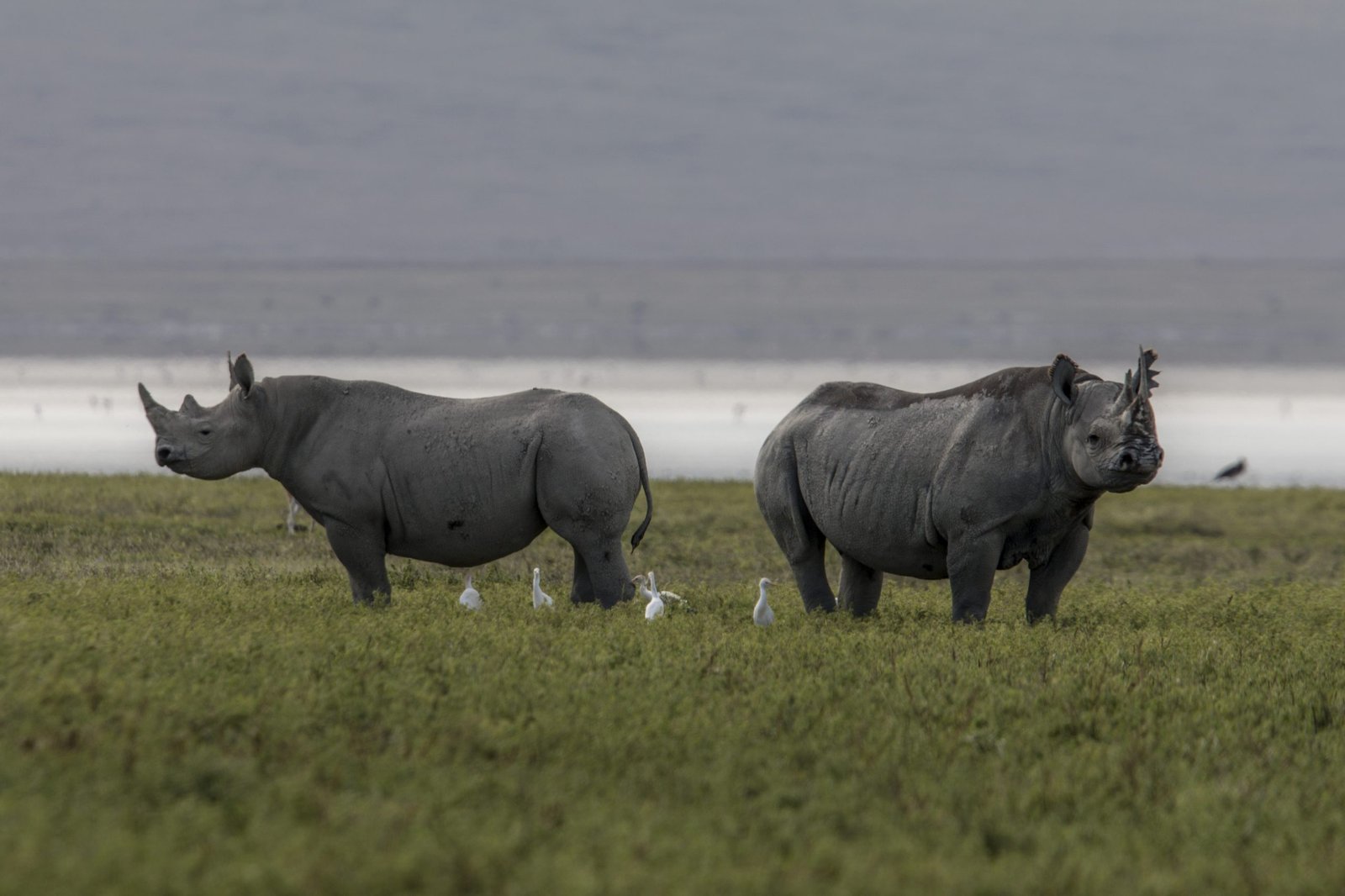 Northern Circuit
A vast volcanic caldera with dense wildlife, including a good chance of seeing a black rhino.
Explore this Park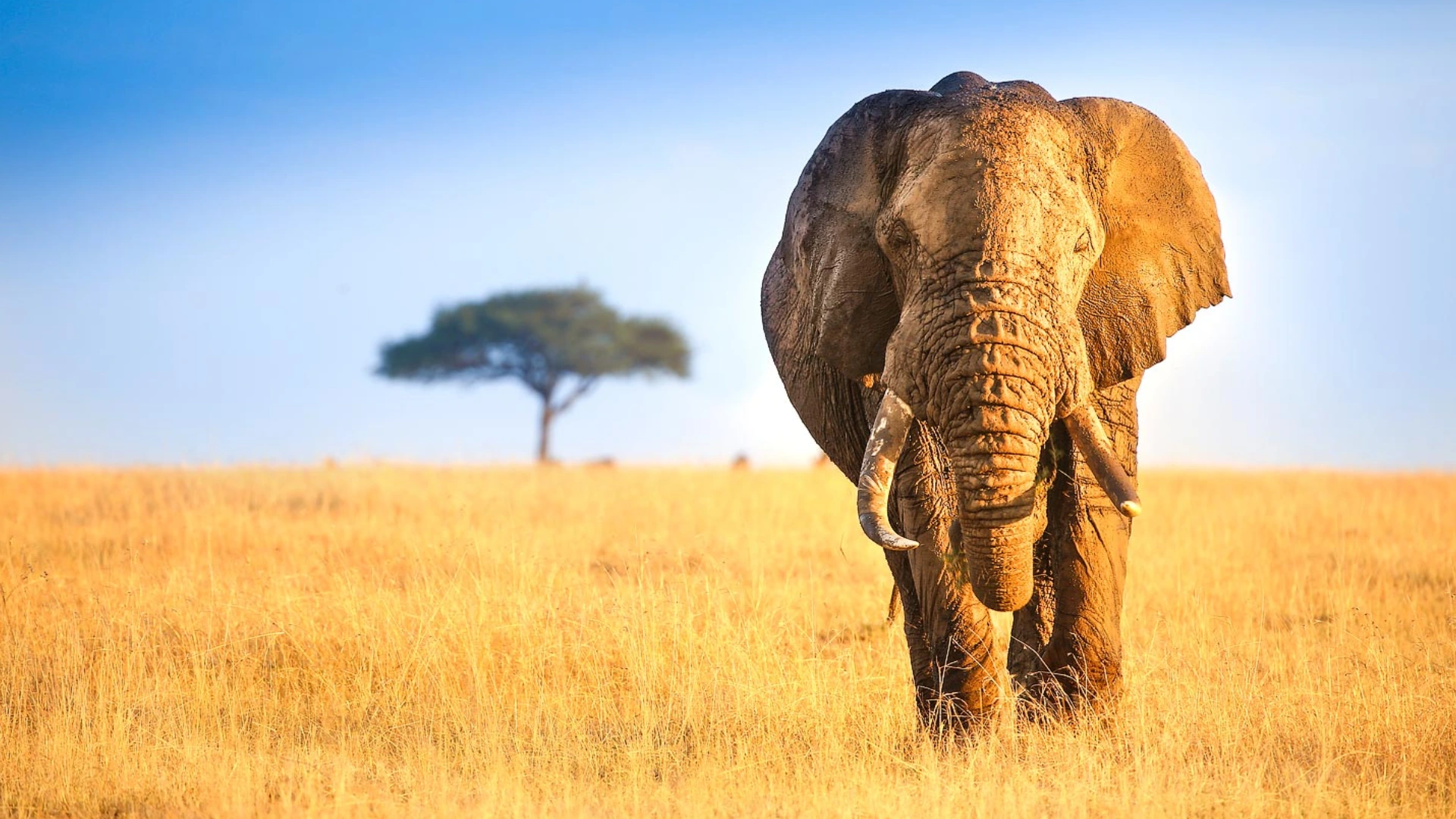 Northern Circuit
Famous for its huge elephant herds and ancient baobab trees, especially in the dry season.
Explore this Park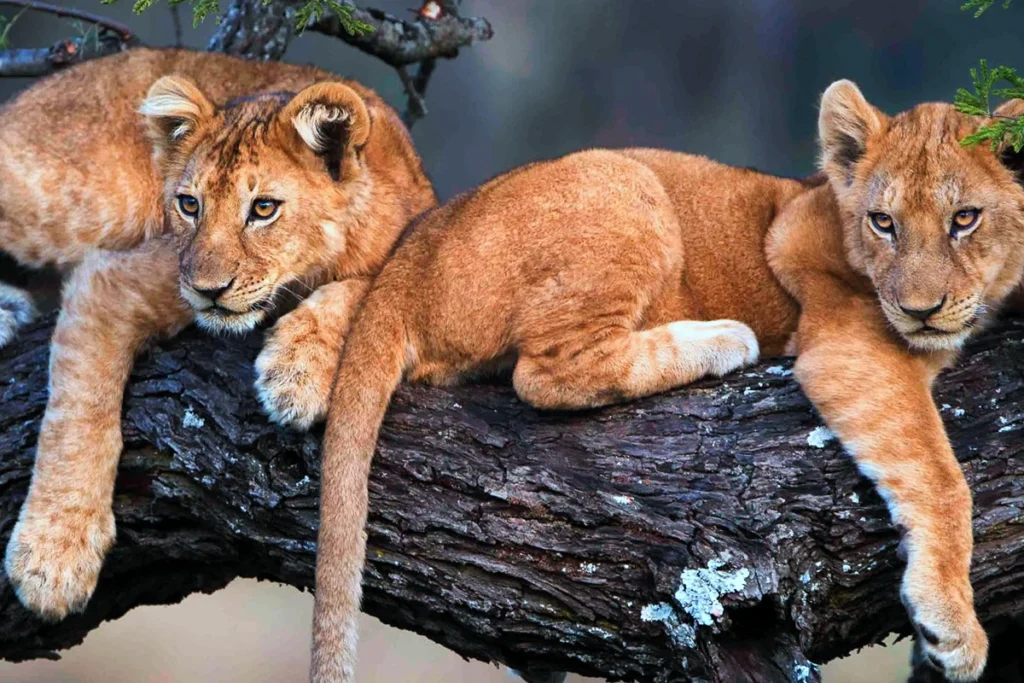 Northern Circuit
A compact park of groundwater forest, soda lake and escarpment views, rich in birds.
Explore this Park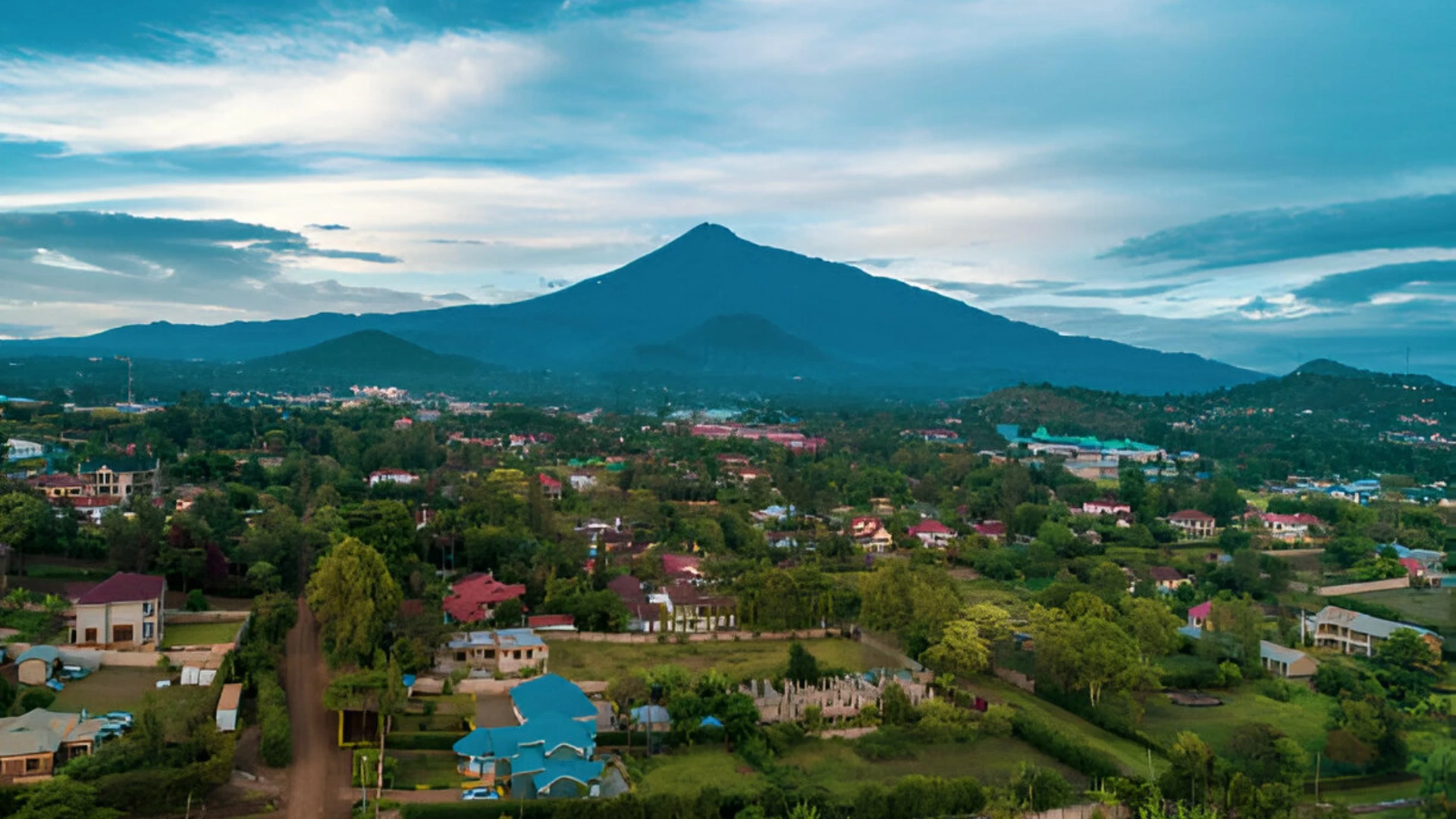 Northern Circuit
Arusha National Park, nestled in northern Tanzania, is a scenic gem known for its striking diversity.
Explore this Park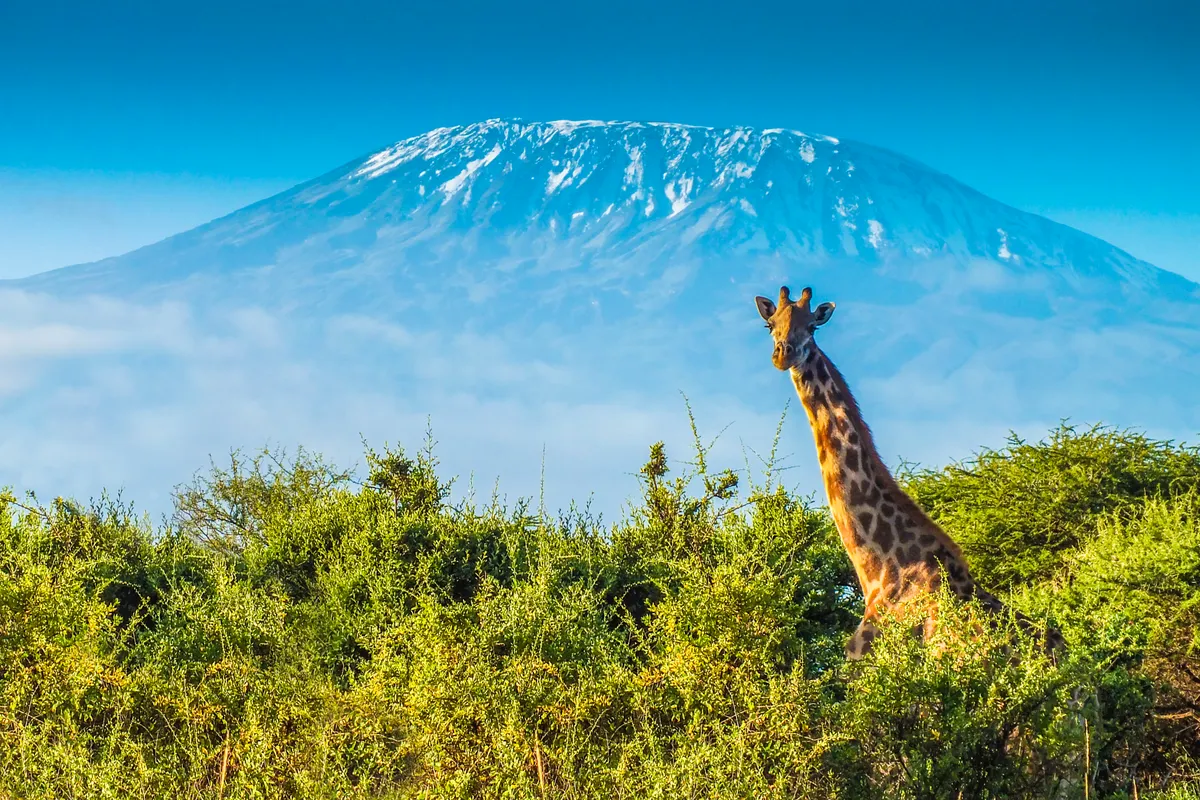 Northern Circuit
Is best known for non-technical high-altitude trekking and multi-day summit ascents to Uhuru Peak
Explore this Park