 3 – 8 hours
Day Game Drives
Wildlife
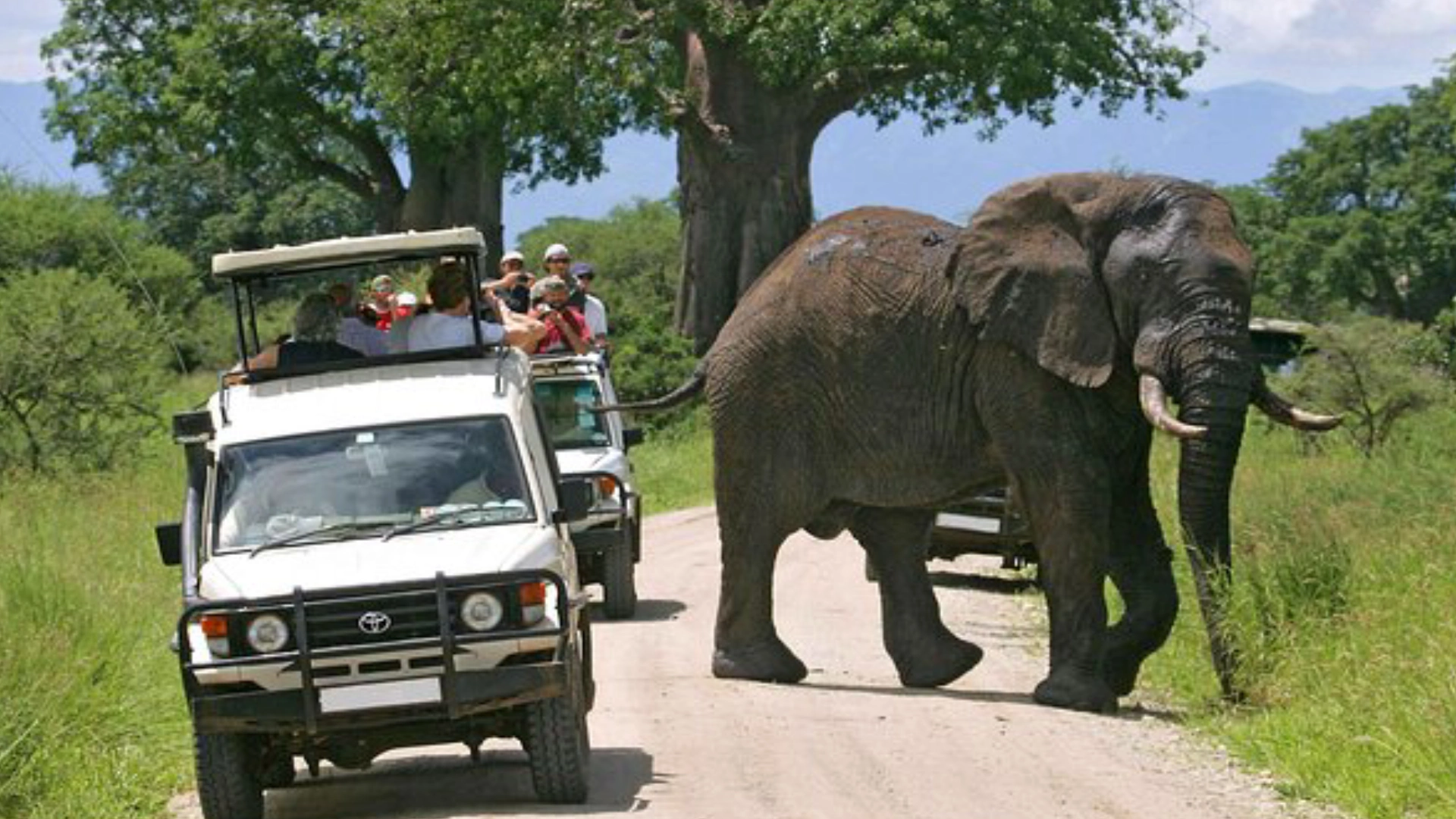
Explore Tarangire’s savannahs, riverbanks, and woodlands with an experienced safari guide in search of elephants, giraffes, zebras, buffaloes, and predators.
Ask about this
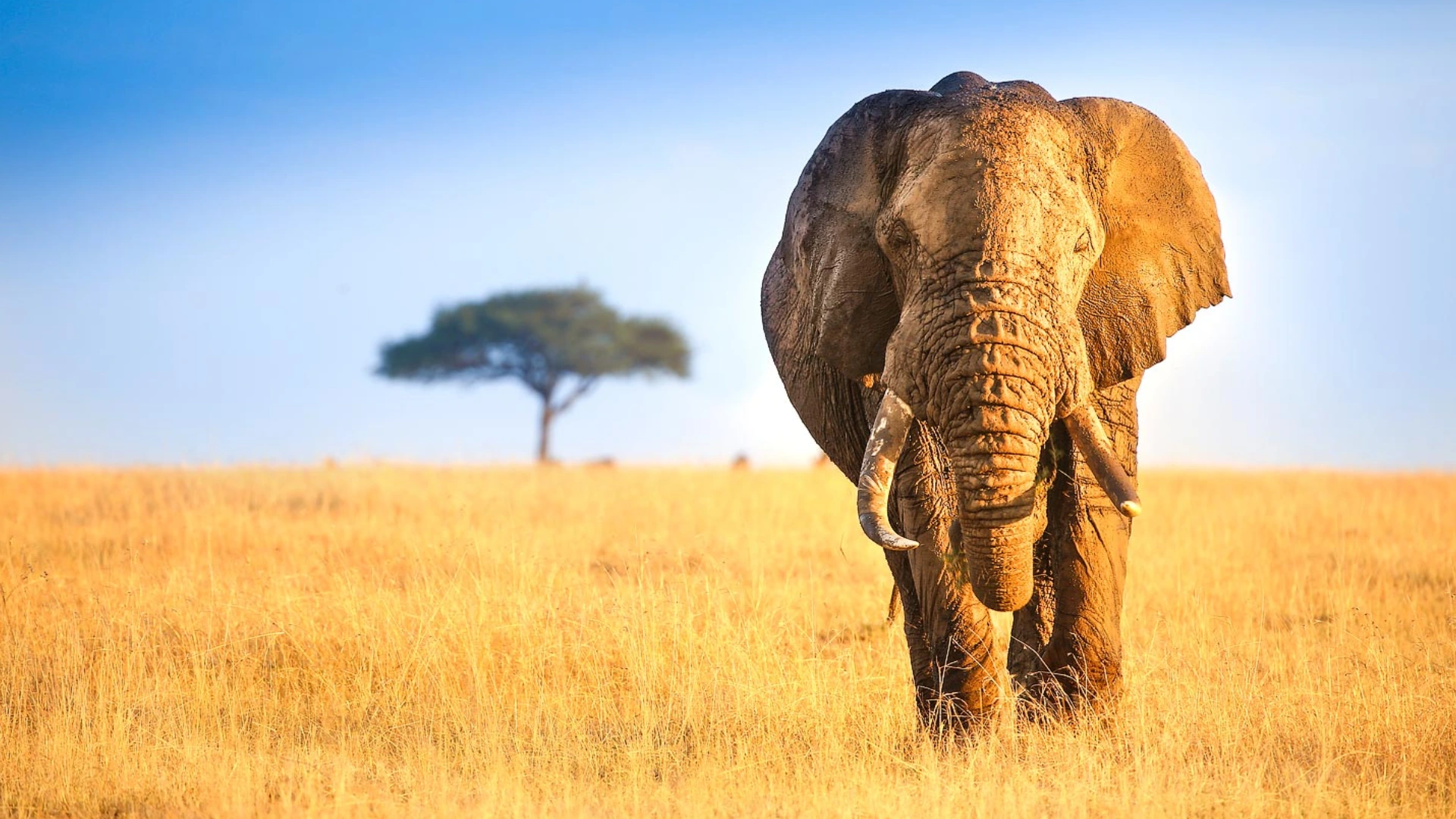
Discover Tanzania’s elephant kingdom, where ancient baobab trees rise above sweeping savannahs and the Tarangire River attracts remarkable concentrations of wildlife during the dry season.
From the winding Tarangire River to ancient baobab trees and open acacia savannahs, Tarangire National Park is renowned for its large elephant herds and remarkable dry-season wildlife gatherings.
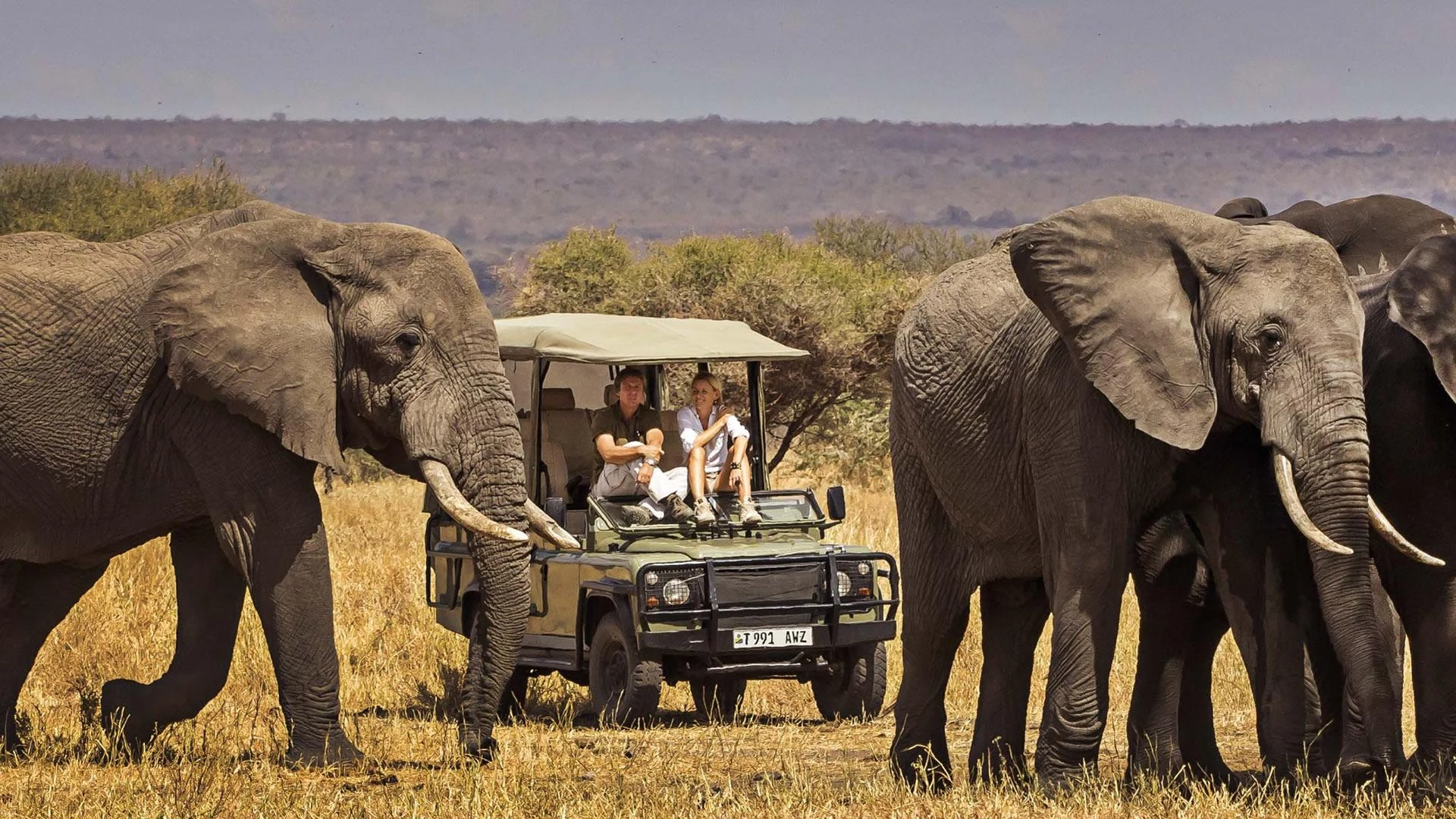
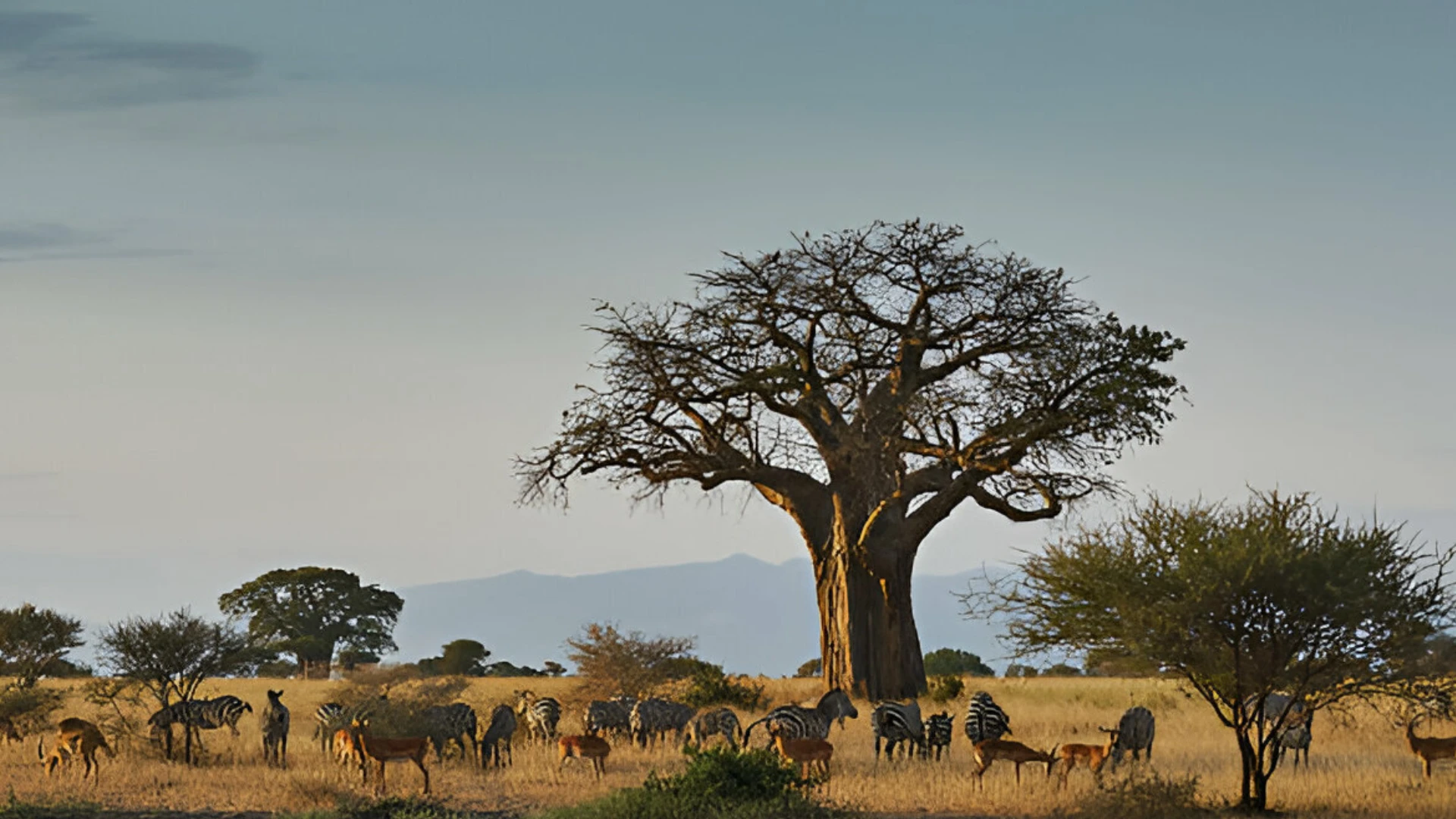
Tarangire National Park, gazetted in 1970 and covering 2,850 km², is one of northern Tanzania’s most distinctive safari destinations, celebrated for its large elephant herds, ancient baobab trees, and diverse wildlife. During the dry season, the Tarangire River attracts elephants, giraffes, zebras, buffaloes, and predators, creating exceptional game-viewing opportunities across the park’s sweeping savannahs and woodlands.
With over 550 bird species, including the yellow-collared lovebird and ashy starling, Tarangire is also a remarkable destination for birdwatching. Visitors can explore its landscapes through guided game drives, walking safaris, and sunrise hot air balloon flights, discovering the park’s rich wildlife and striking natural scenery.
From exciting elephant encounters and guided bush walks to sunrise balloon flights, discover experiences that bring you closer to Tarangire’s remarkable wildlife and landscapes.
3 – 8 hoursExplore Tarangire’s savannahs, riverbanks, and woodlands with an experienced safari guide in search of elephants, giraffes, zebras, buffaloes, and predators.
Ask about this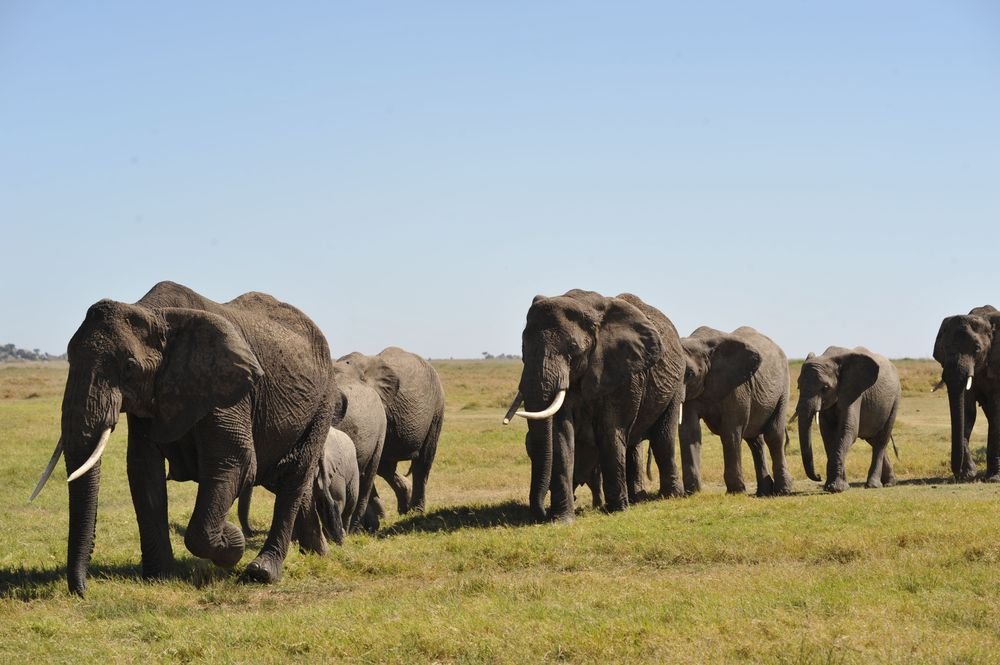 2–4 hours
Witness Tarangire’s renowned elephant herds and other wildlife gathering around the river and remaining water sources during the dry season.
Ask about this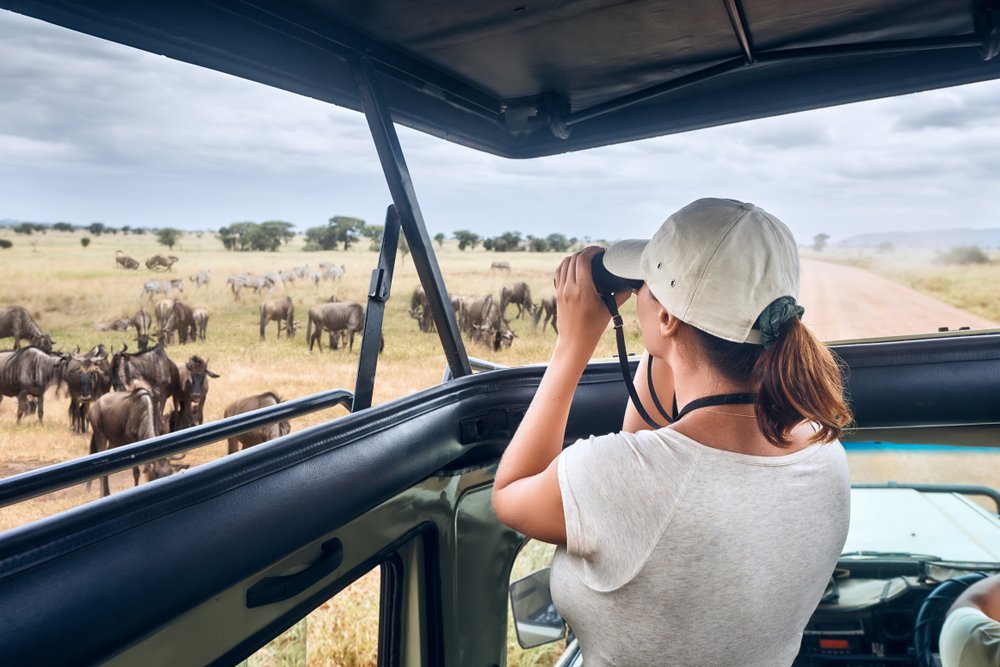 Full day
Take time to photograph elephants, baobab trees, birdlife, and other wildlife, with opportunities to capture the changing light across Tarangire’s landscapes.
Ask about this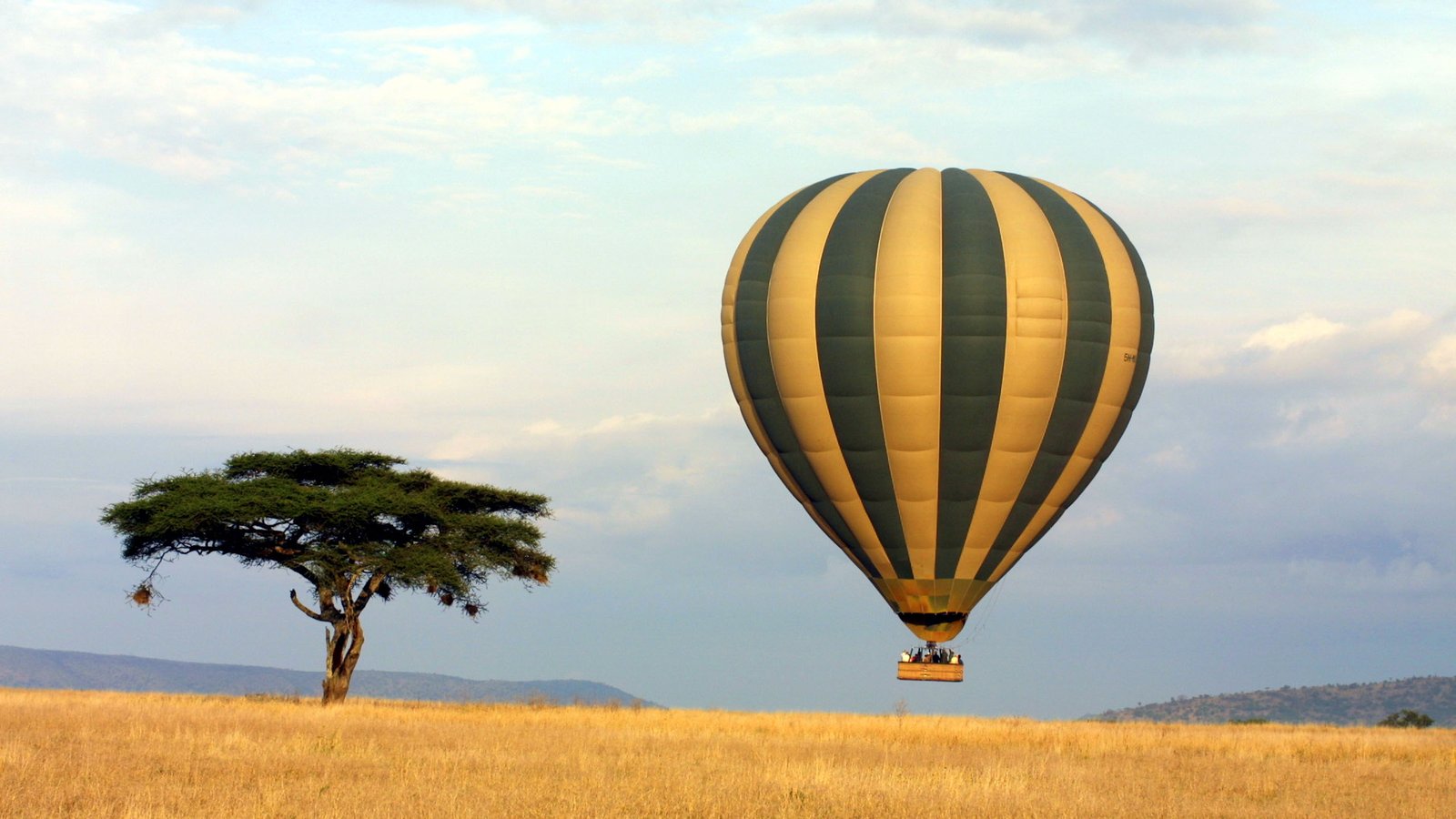 About 1 hour flight
Experience the landscape from above on a sunrise balloon flight, taking in the baobab- dotted plains and wildlife habitats from a unique perspective.
Ask about this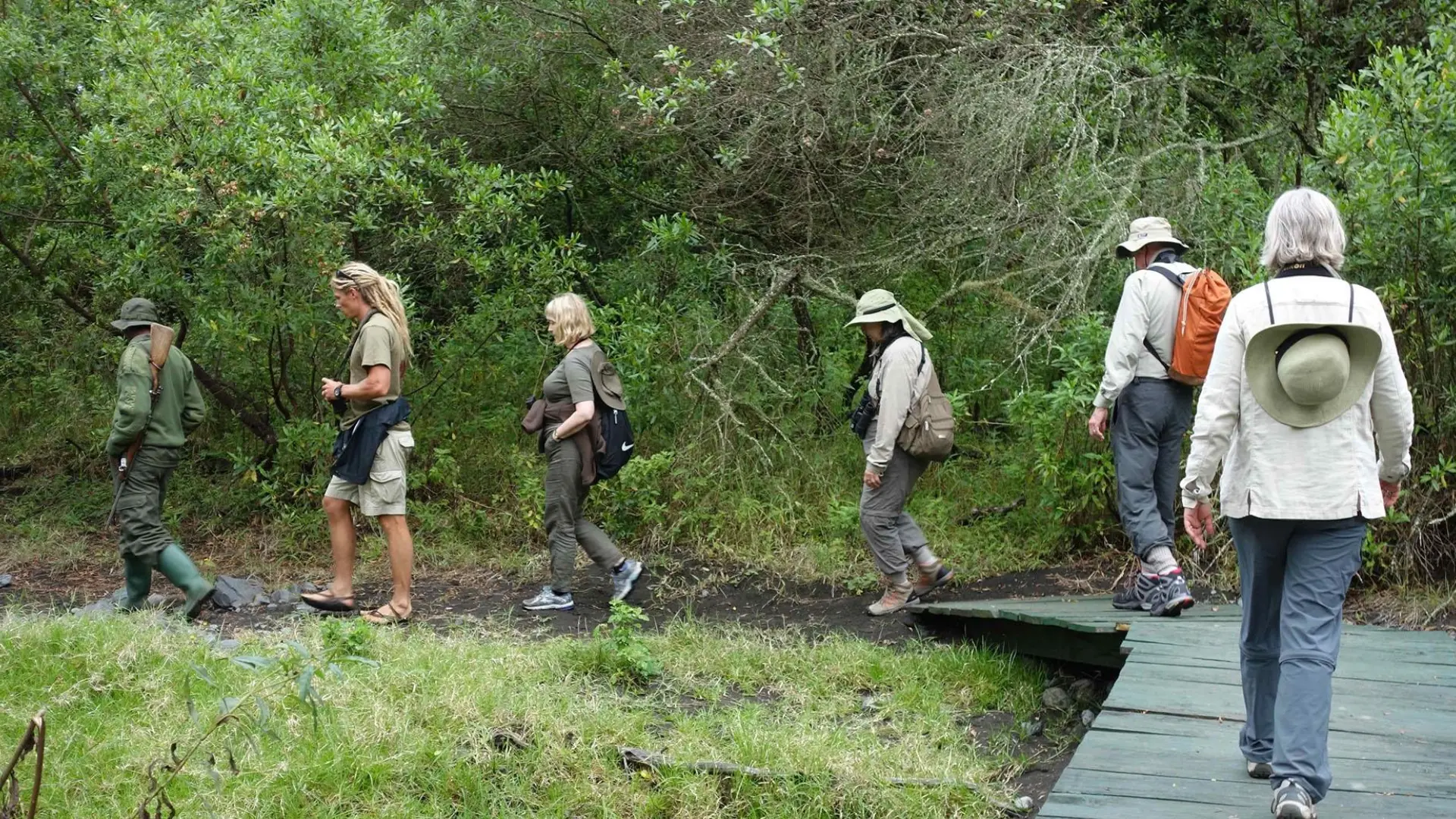 2 – 3 hours
Explore the bush on foot with an authorised guide or ranger, learning about animal tracks, native plants, smaller wildlife and the details of the ecosystem.
Ask about this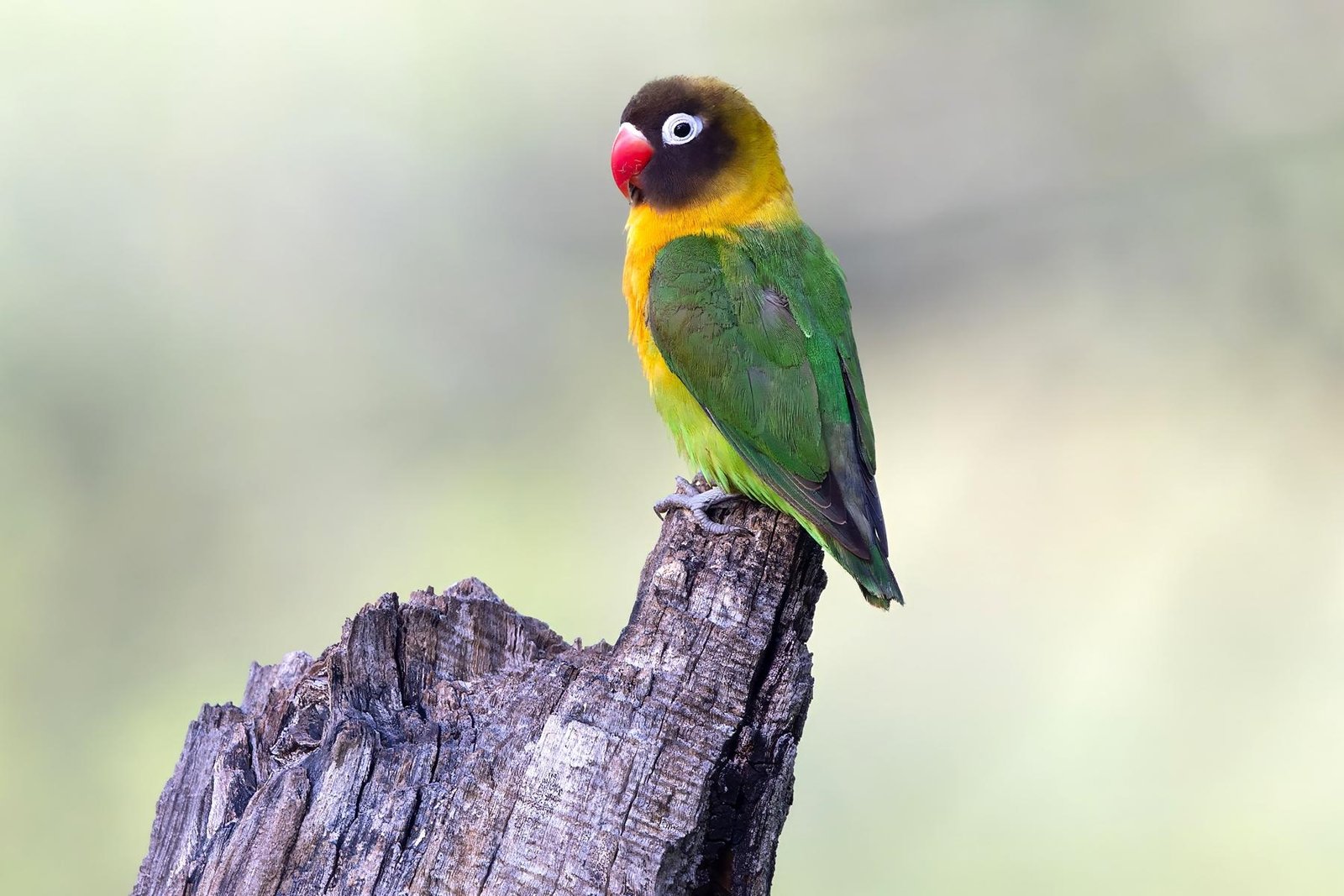 Flexible
Discover Tarangire’s exceptional birdlife, including the yellow-collared lovebird and ashy starling, across its woodlands, wetlands, and open savannah.
Ask about this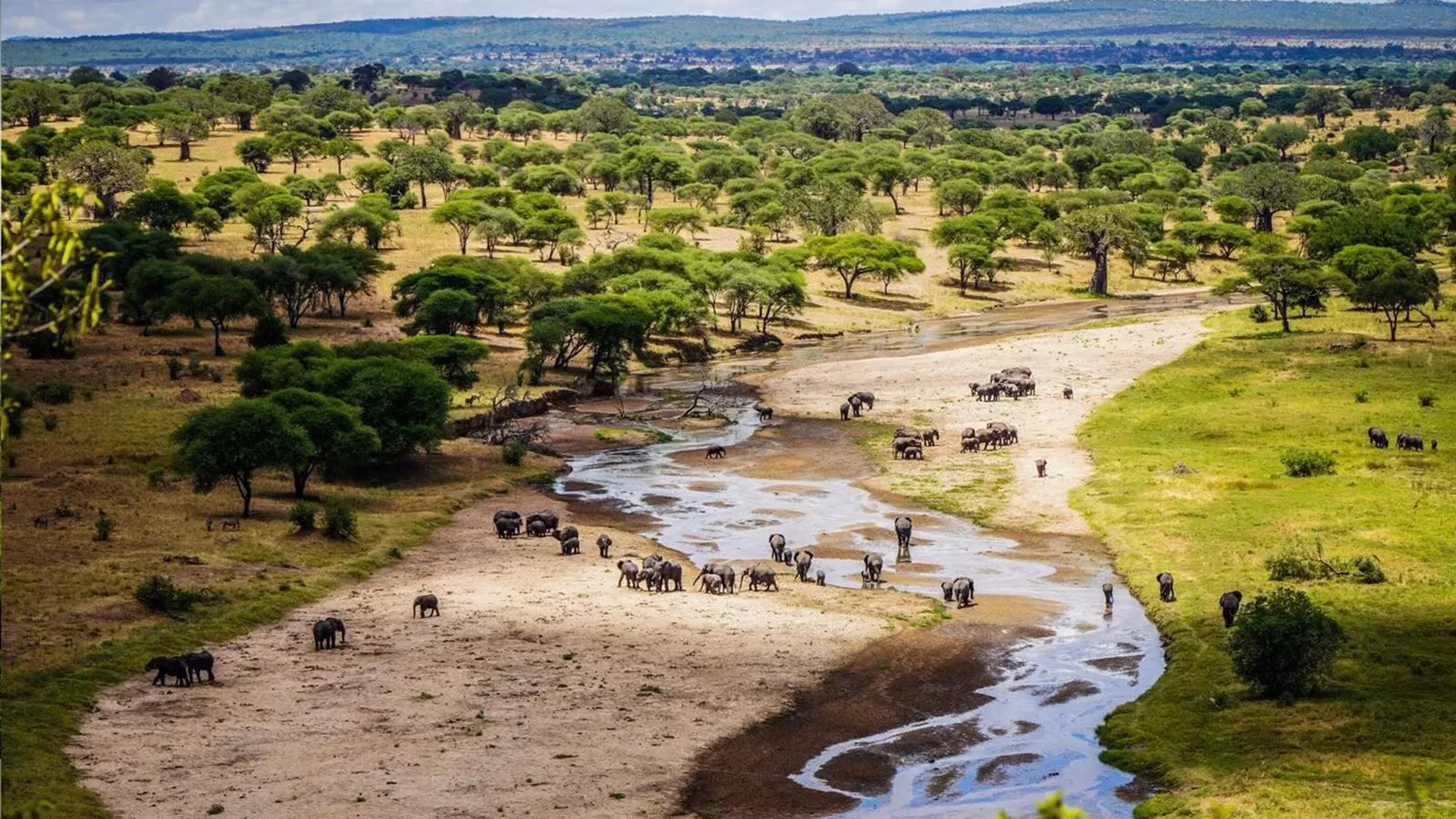 2–3 hours
Discover Tarangire’s iconic baobabs and follow scenic routes near the river, where wildlife often gathers during the dry season.
Ask about this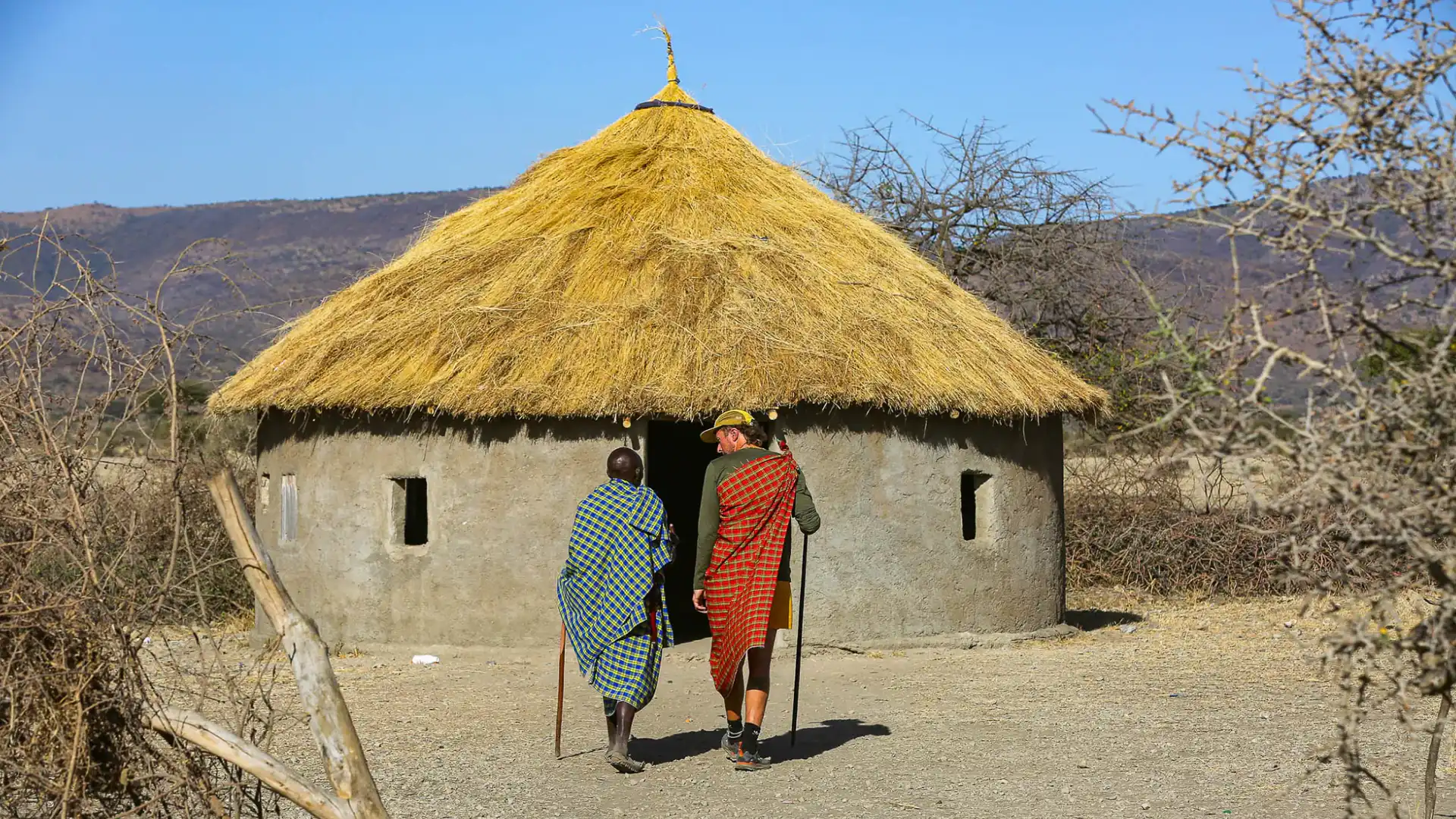 2 – 3 hours
Arrange a community visit around the Tarangire ecosystem to learn about local traditions, daily life, and the relationship between communities and their surrounding landscapes.
Ask about thisTarangire offers rewarding wildlife viewing throughout the year. The experience changes with the rains, from green landscapes and seasonal birdlife to dry-season wildlife gatherings around the Tarangire River.
The landscape can be lush after the rains, with seasonal birdlife and attractive scenery. Wildlife is more dispersed when water and vegetation are widely available.
Green seasonThe long rains bring greener vegetation and dramatic skies. Some tracks may become muddy, and heavy showers can affect road conditions and wildlife viewing.
Rainy seasonAs the landscape dries, wildlife viewing improves in many areas. Animals increasingly gather near dependable water sources, including the Tarangire River.
Wildlife gatheringThese months are especially rewarding for observing elephants and other wildlife near the river, as surrounding vegetation becomes drier and water sources become more limited.
Peak seasonThe short rains begin to refresh the landscape. New vegetation and seasonal birdlife add variety, while wildlife movements respond to changing water availability.
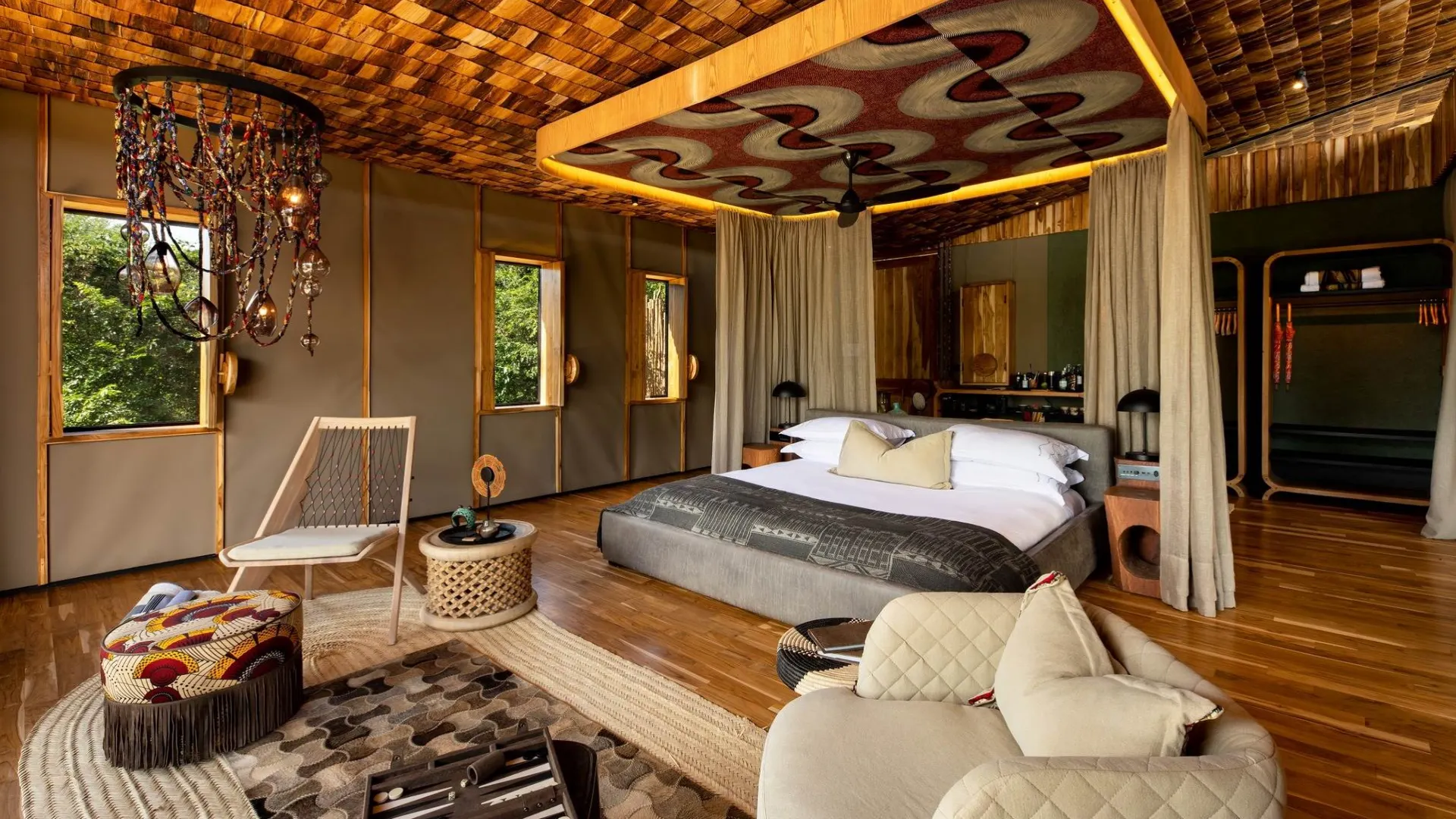
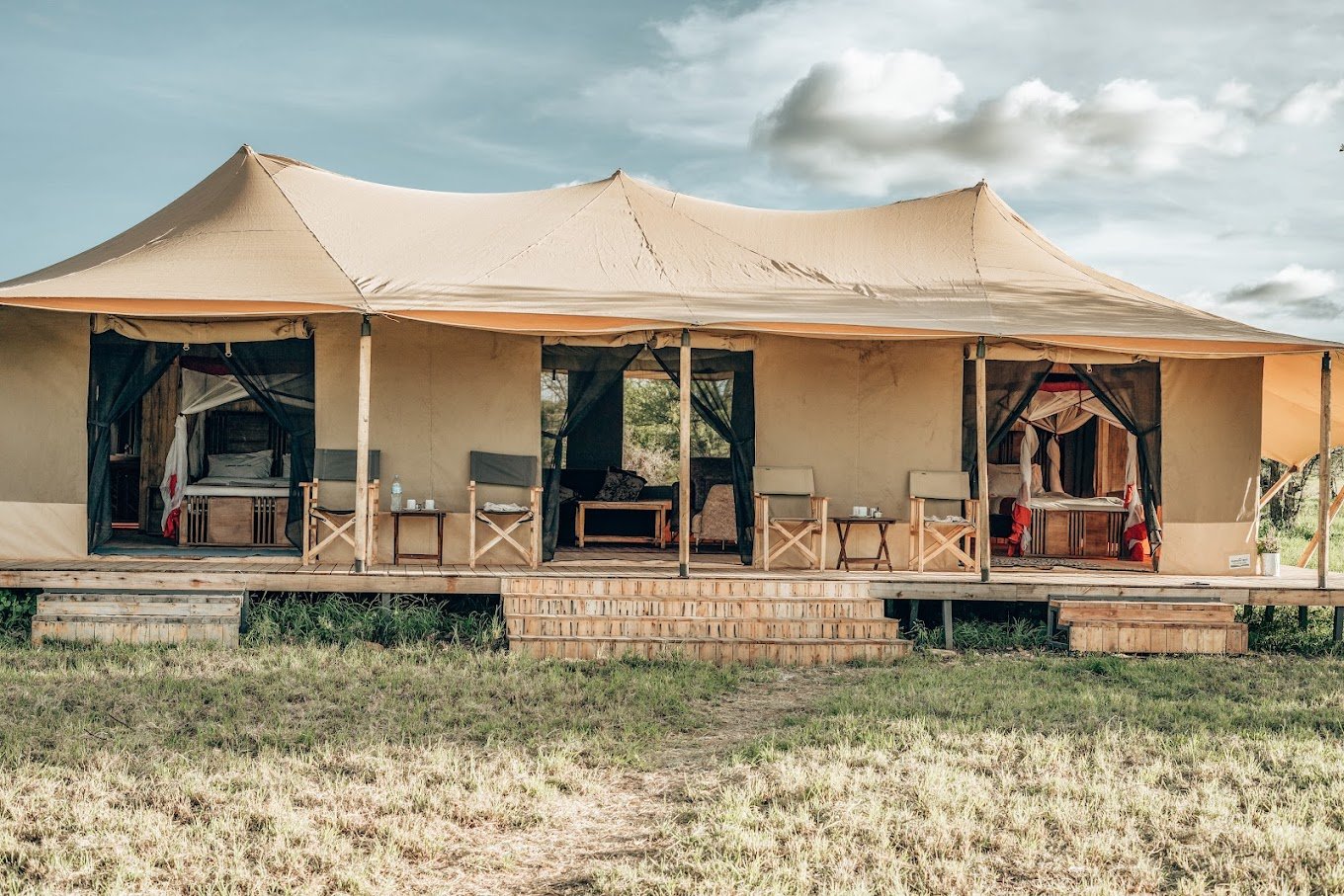
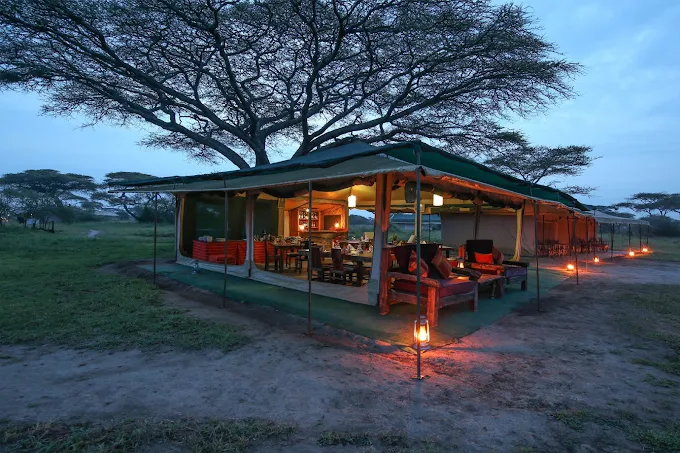
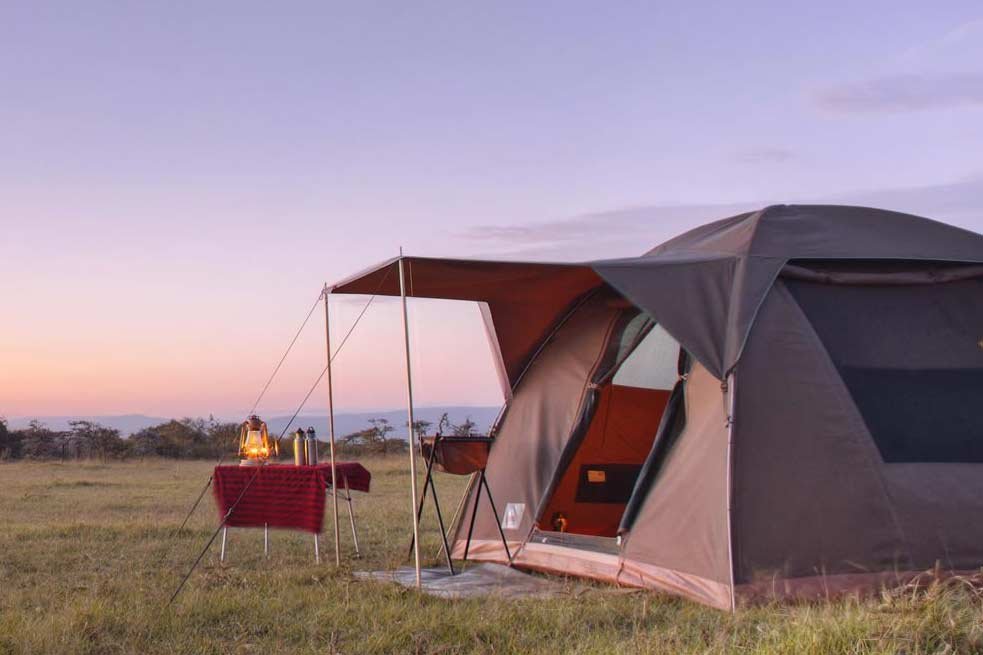
Seasonal transitionFrom luxury lodges to mobile tented camps that follow the herds, choose the base that fits your style and budget.
 Central Serengeti
 Northern Serengeti
 Follows the herds
 Seronera area
Prepare for your Tarangire safari with essential information about getting to the park, entry fees, accommodation, and practical travel tips.
Northern Tanzania, south of Lake Manyara and southwest of Arusha, within the northern safari circuit.
The main public entrance is accessed through the park’s Matete Gate area. Confirm the appropriate entrance and current access arrangements when planning your route.
Travel by road from Arusha through the northern Tanzania safari circuit. Private safari vehicles are a common way to reach and explore the park. Flights to nearby airstrips may also be available, depending on the operator and itinerary.
Lodges, tented camps and campsites are available within and around Tarangire National Park, with options suited to different budgets and safari styles.
Park entry, vehicle and camping fees are set by the park authority. Confirm current rates and applicable permits before travelling.
Tell us when you want to travel and what inspires you, and we will design your journey.
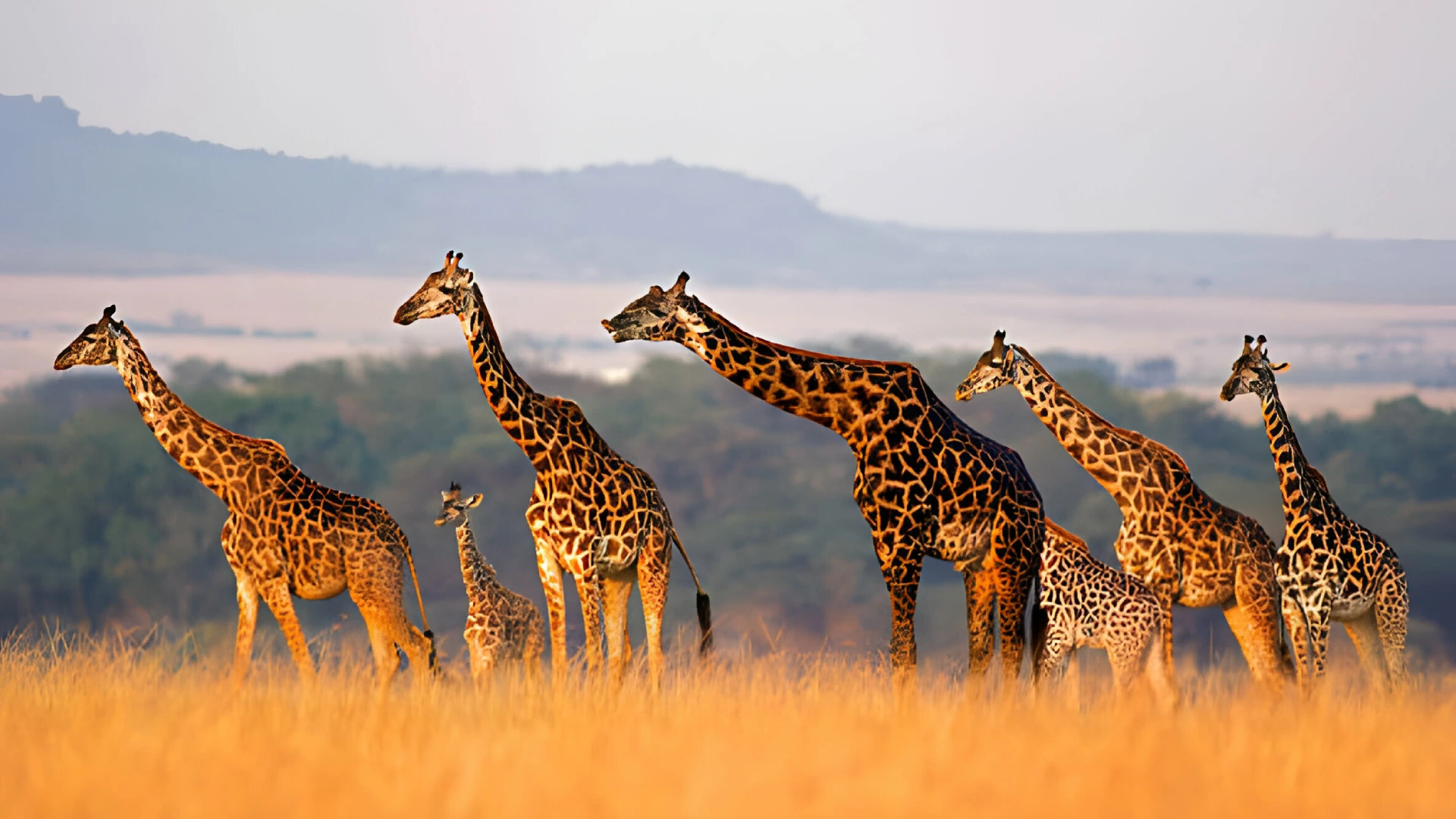
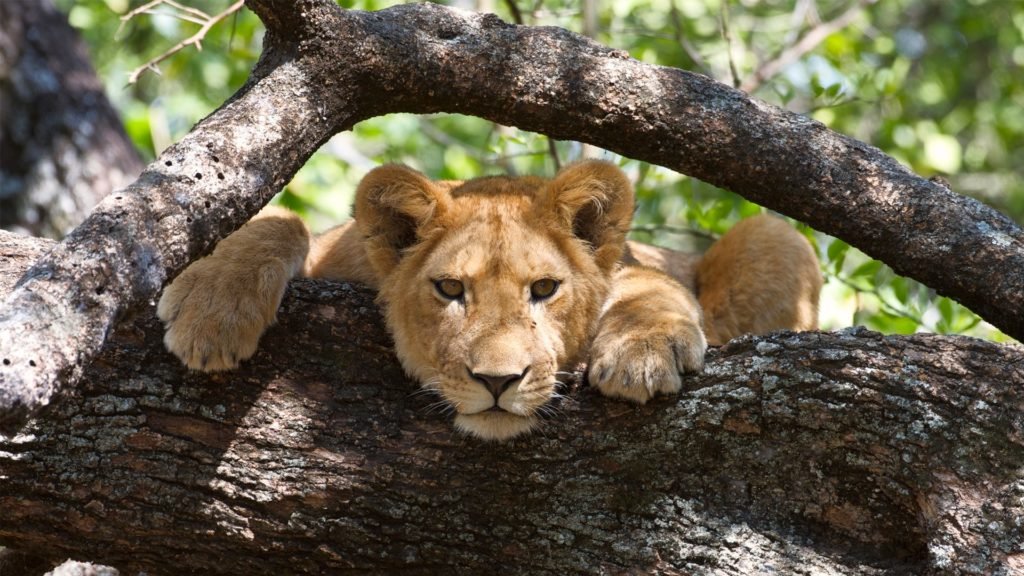
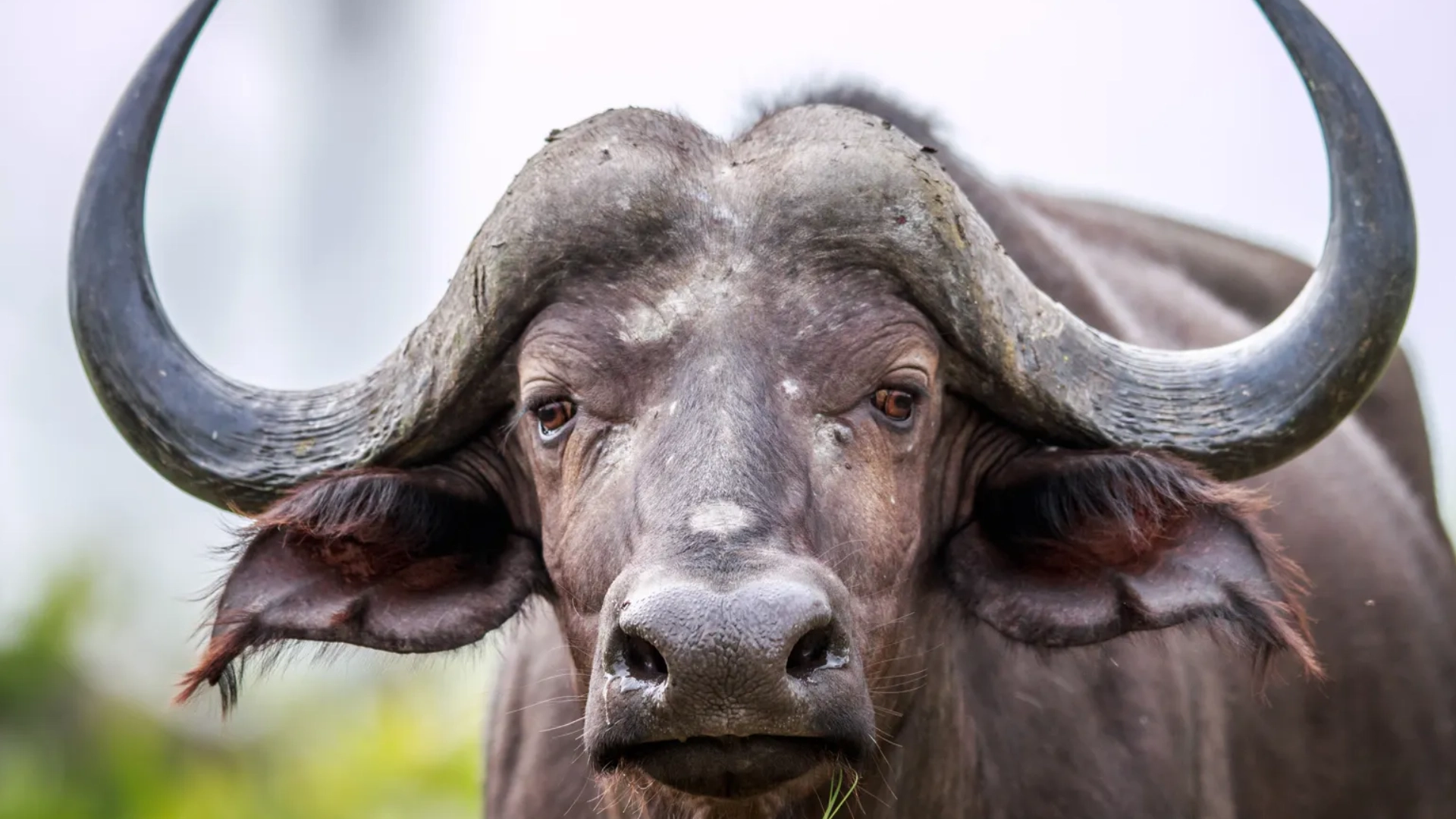
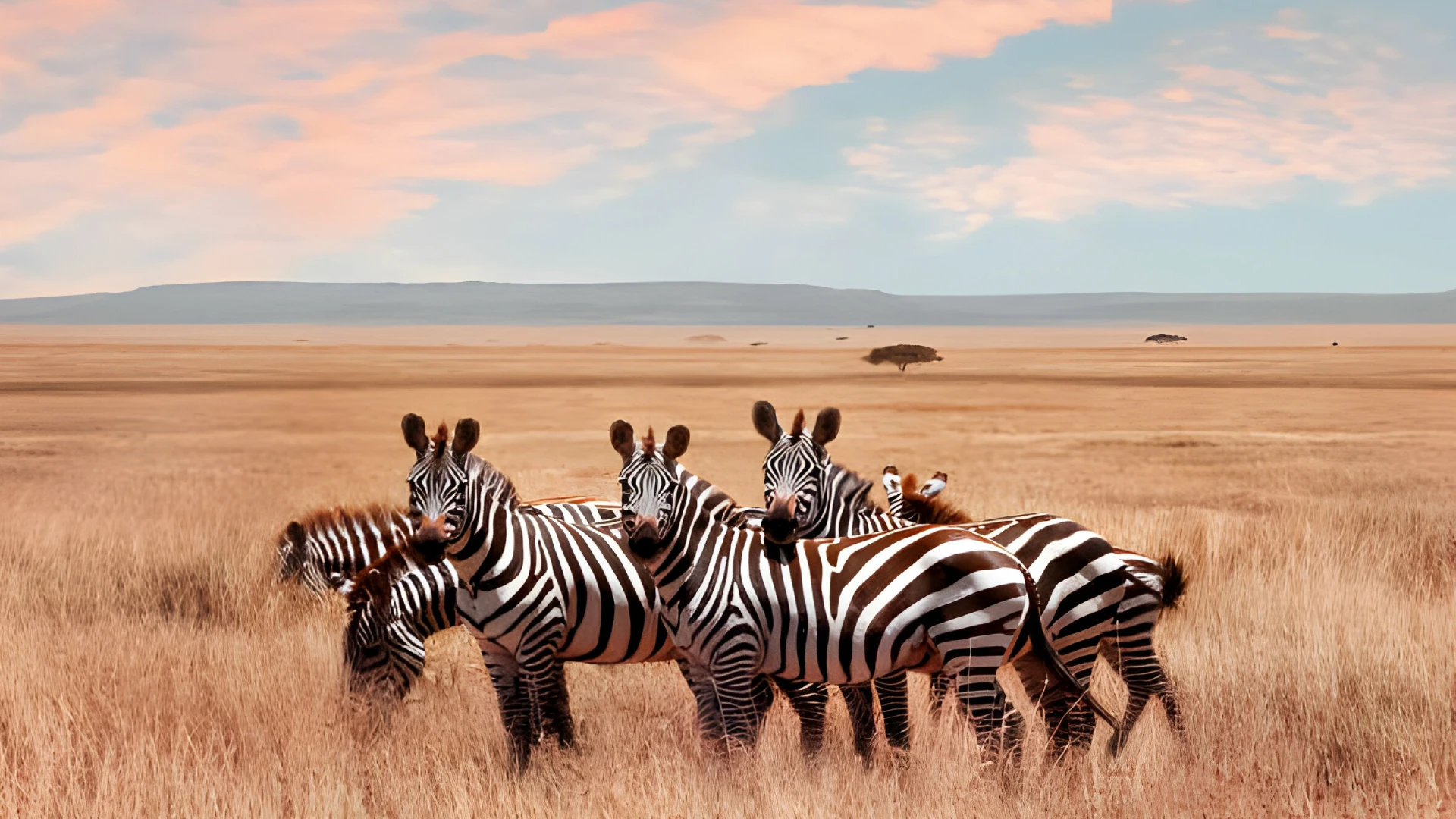
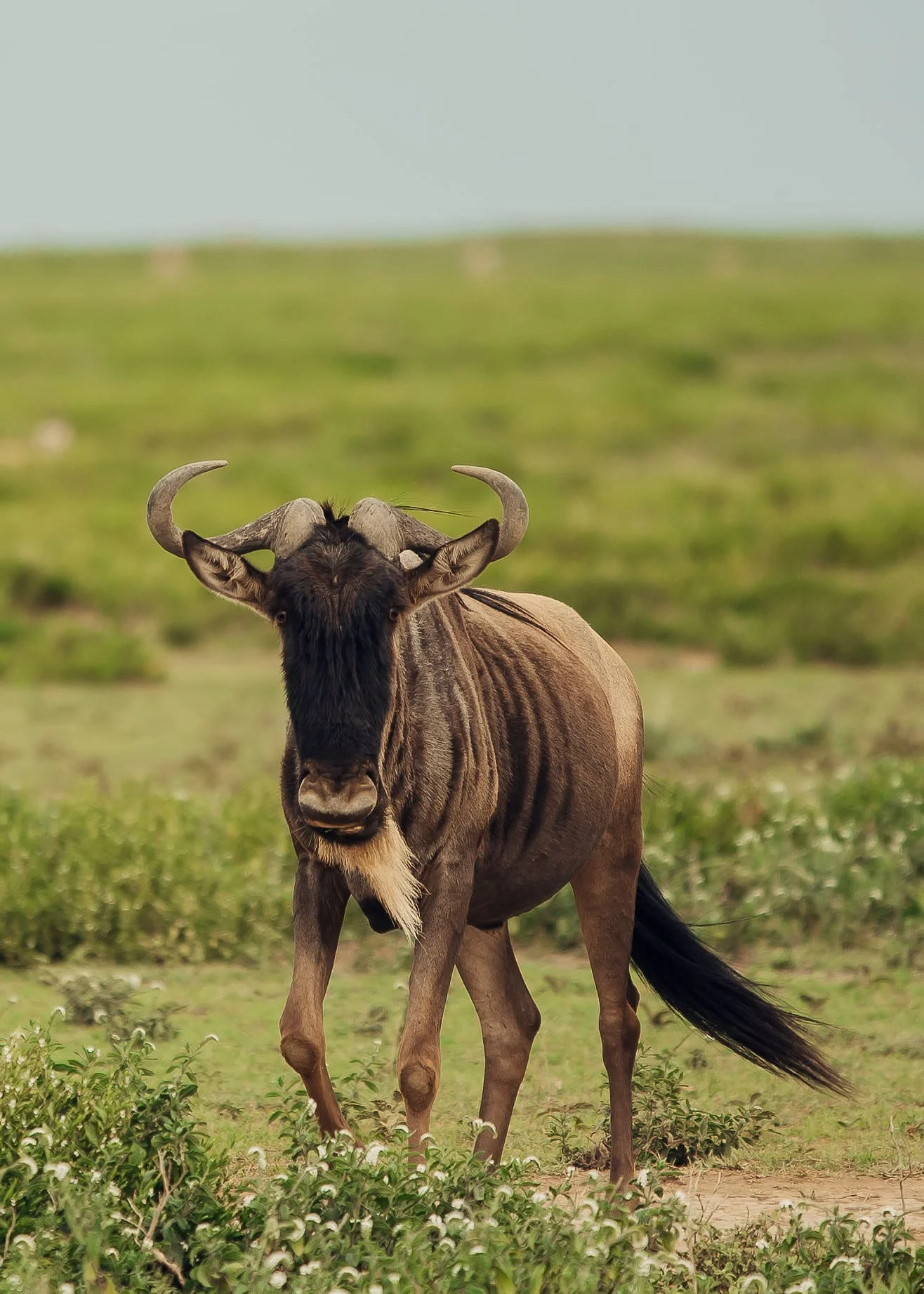
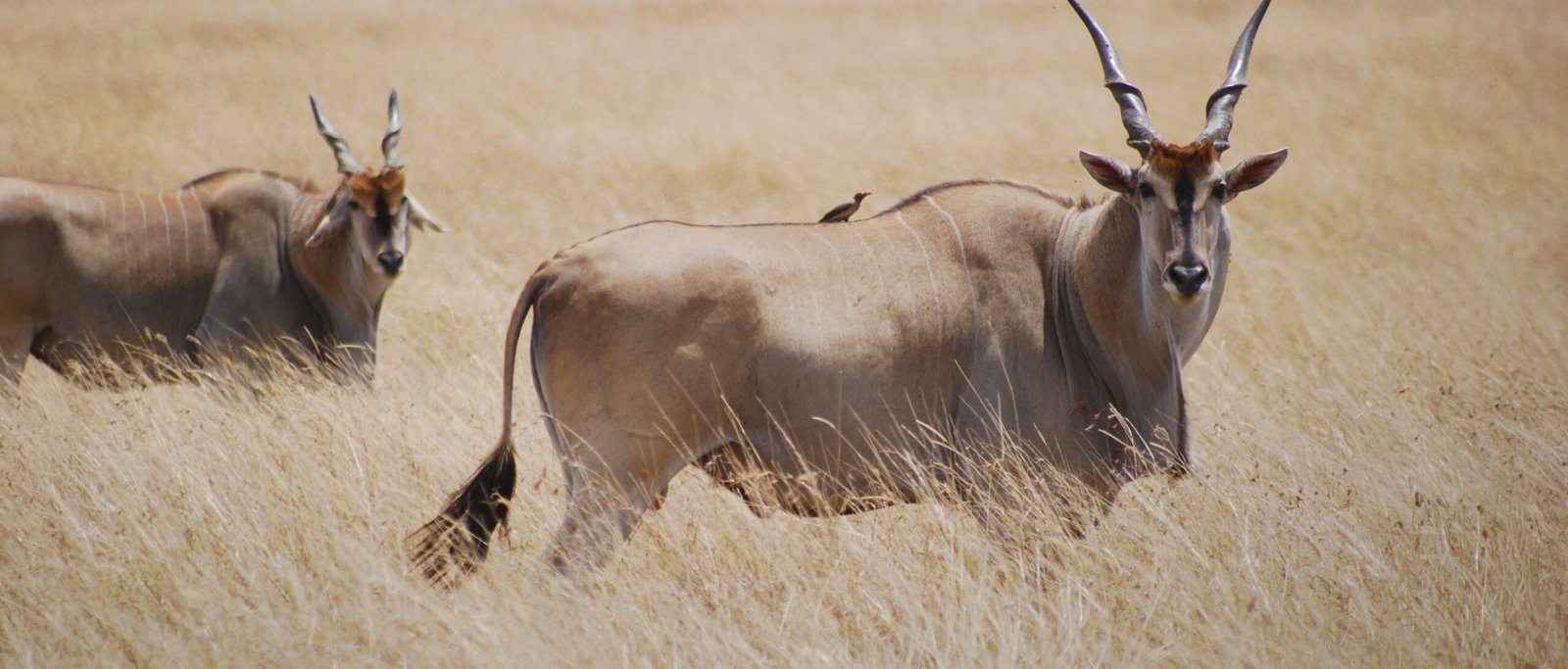
The Serengeti is home to an incredible array of wildlife. Keep your eyes open for these amazing creatures.
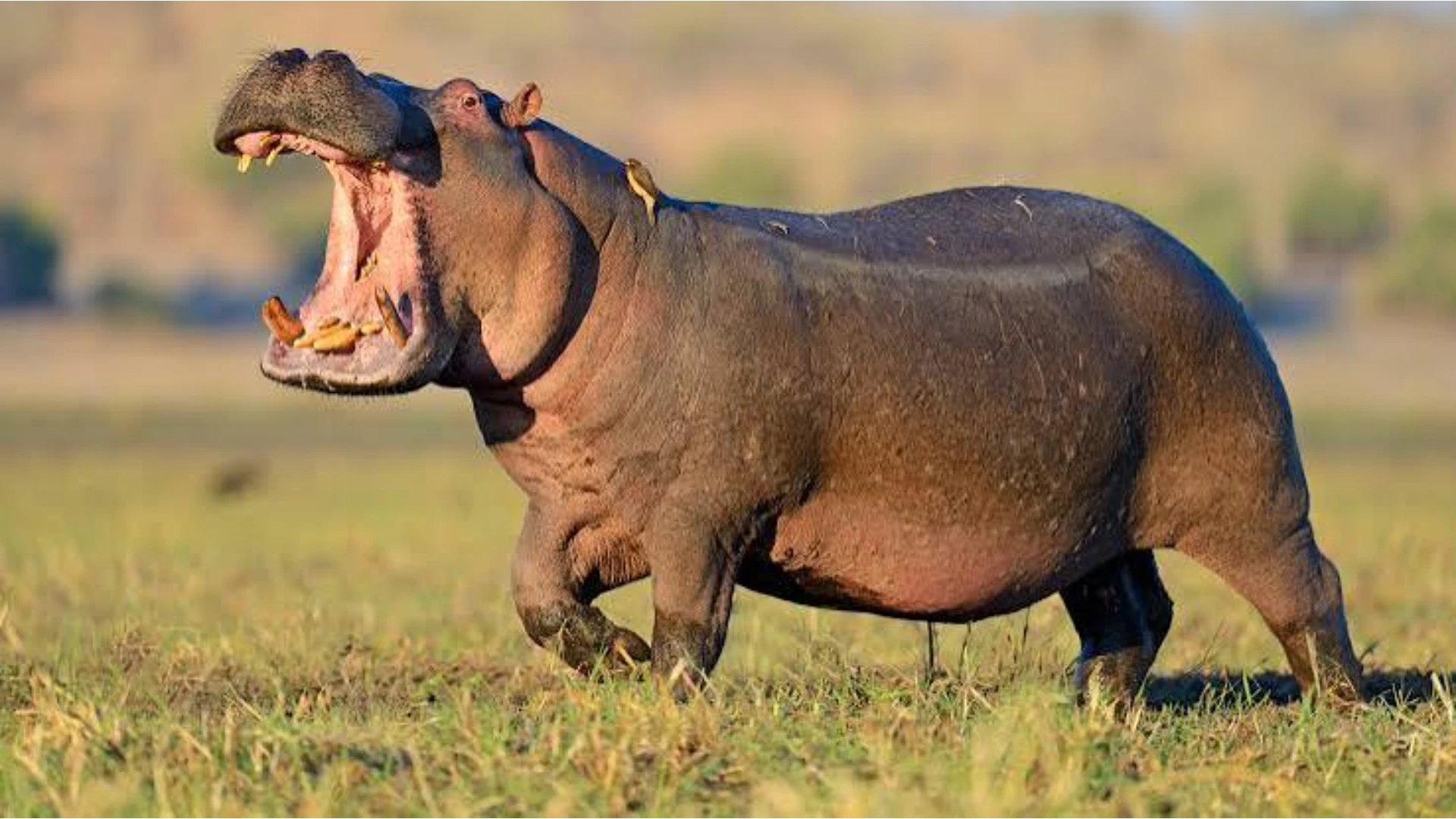
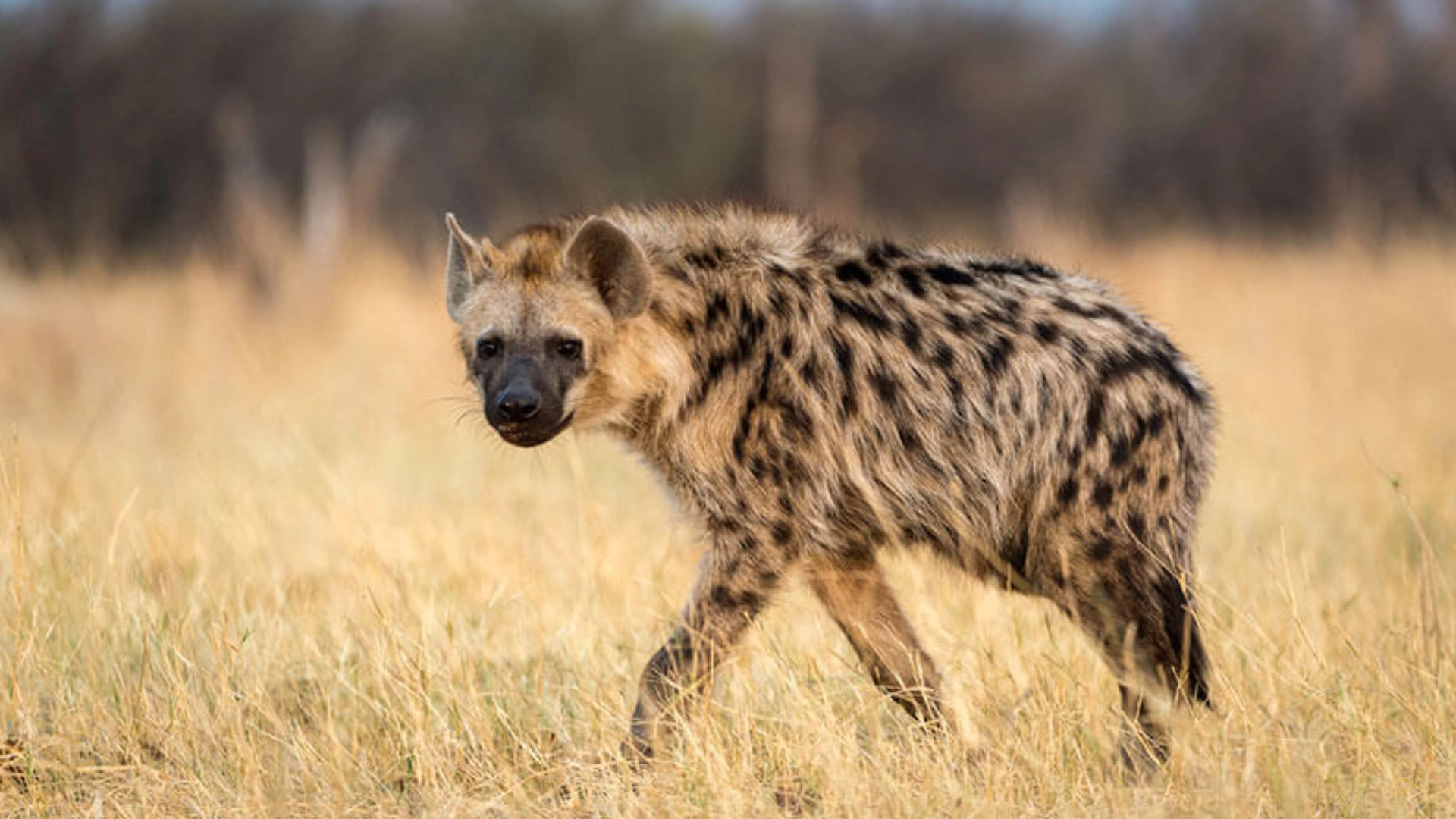
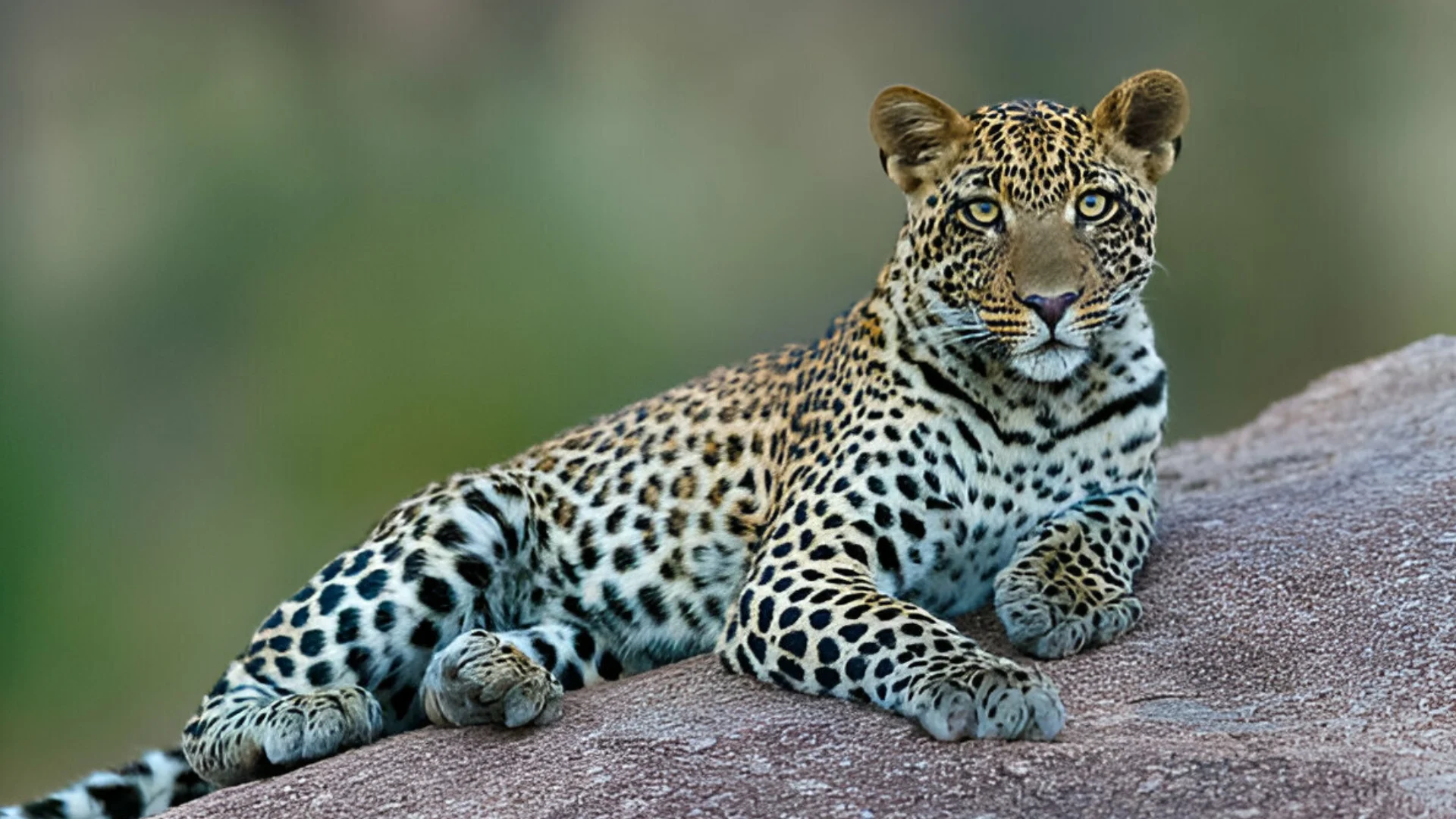
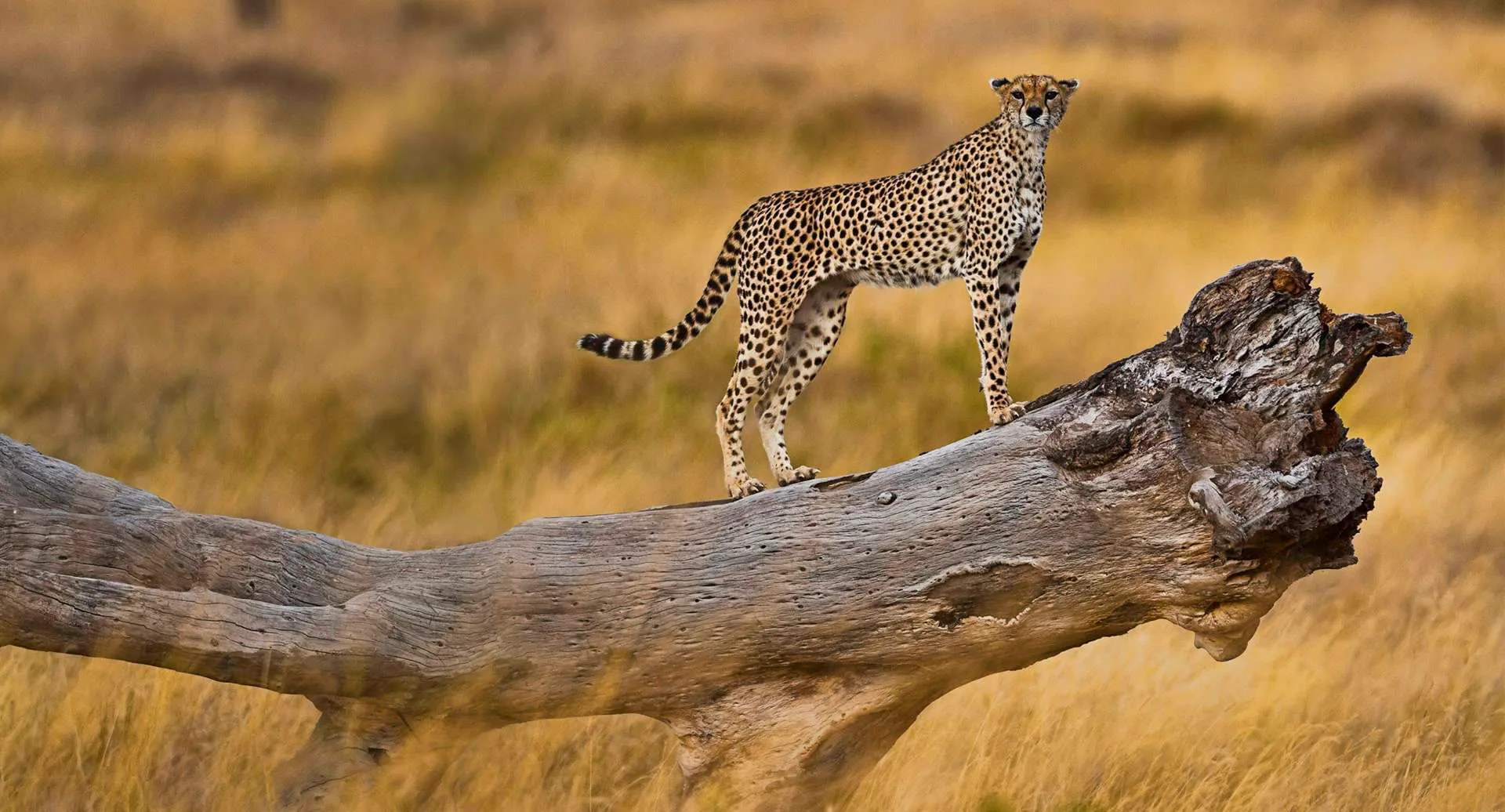
The Serengeti pairs beautifully with Tanzania’s other parks. Combine them for a fuller northern-circuit safari.
 Northern Circuit
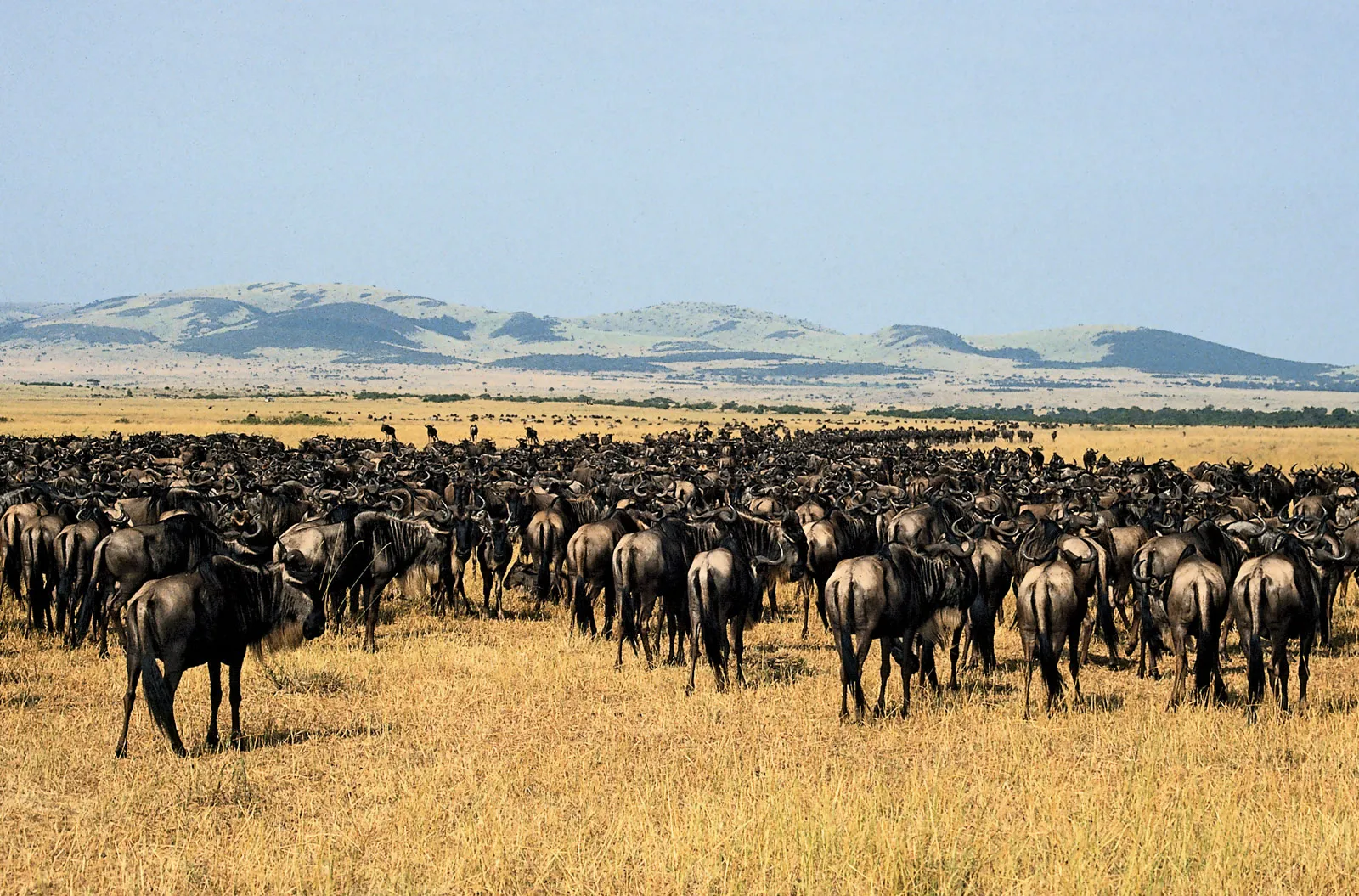
Home to the Great Migration and some of the richest wildlife viewing on Earth.
Explore this Park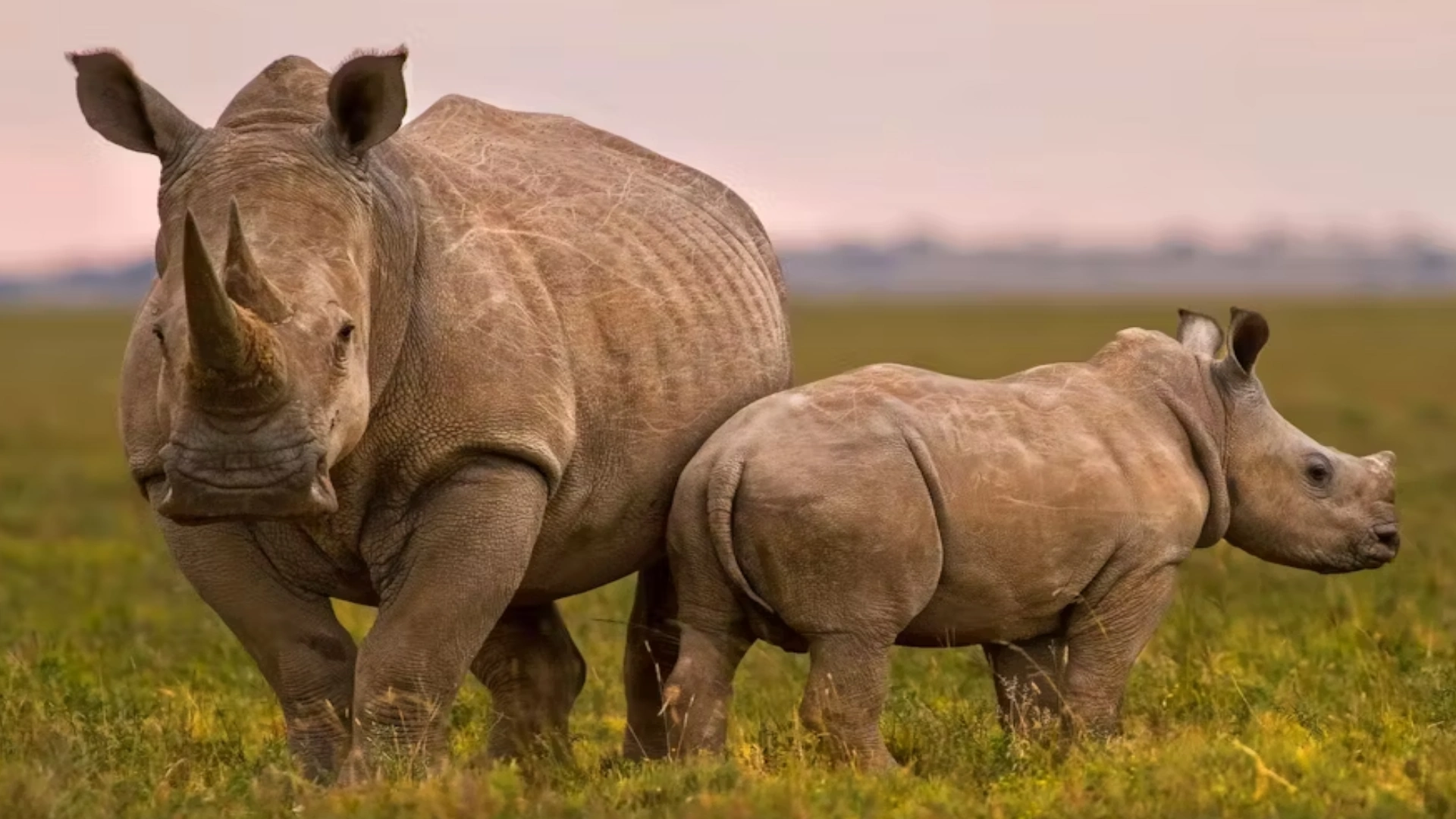 World Heritage Site
A vast volcanic caldera with dense wildlife, including a good chance of seeing black rhino.
Explore this Park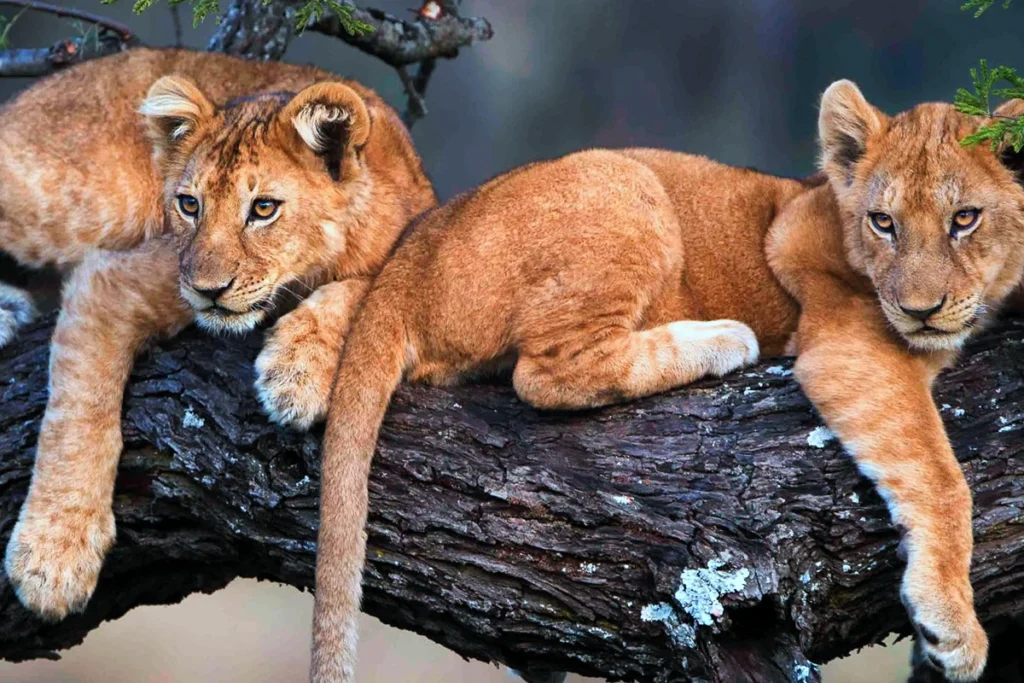 Northern Circuit
A compact park of groundwater forest, soda lake and escarpment views, rich in birds.
Explore this Park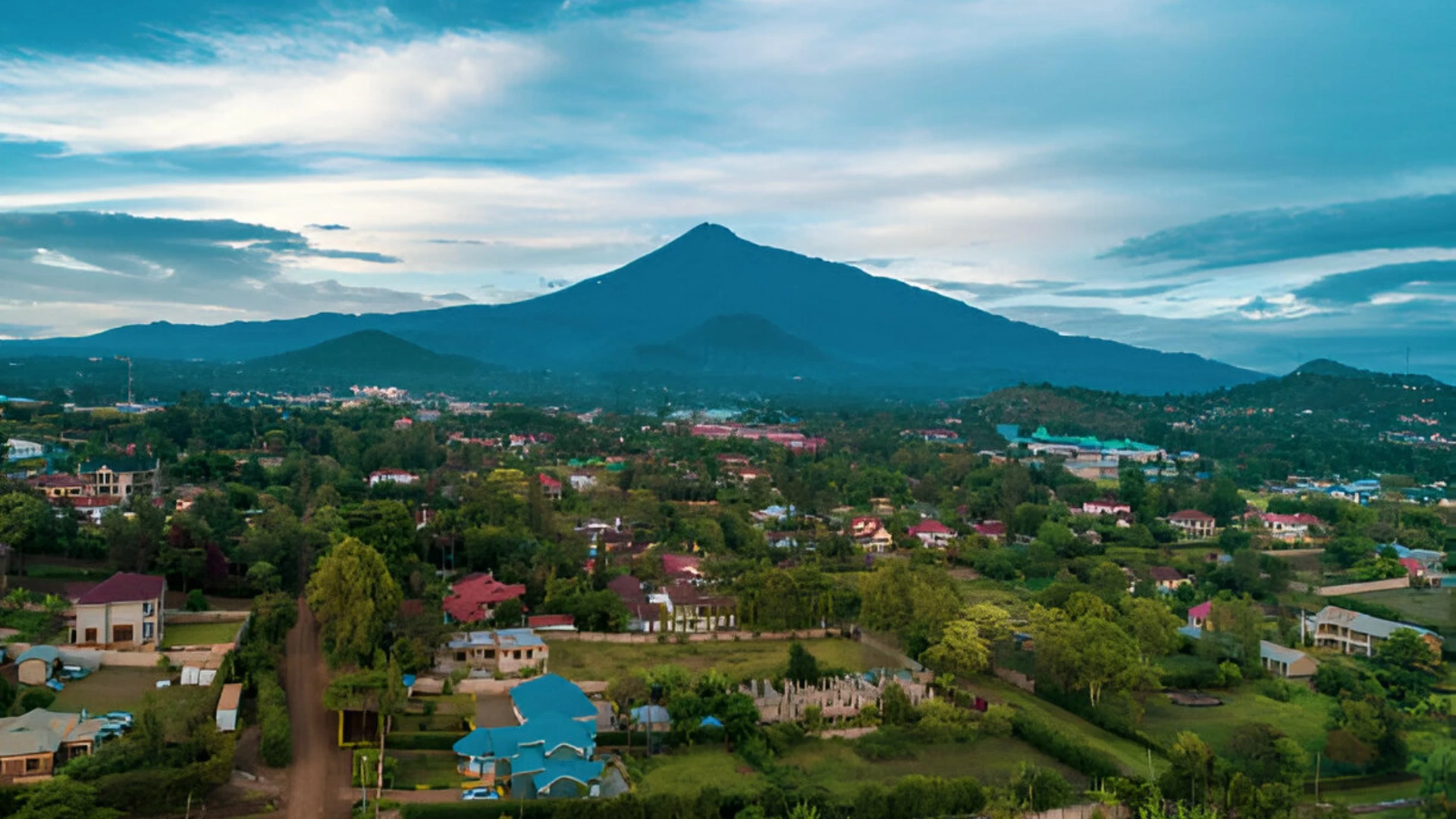 Northern Circuit
Arusha National Park, nestled in northern Tanzania, is a scenic gem known for its striking diversity.
Explore this Park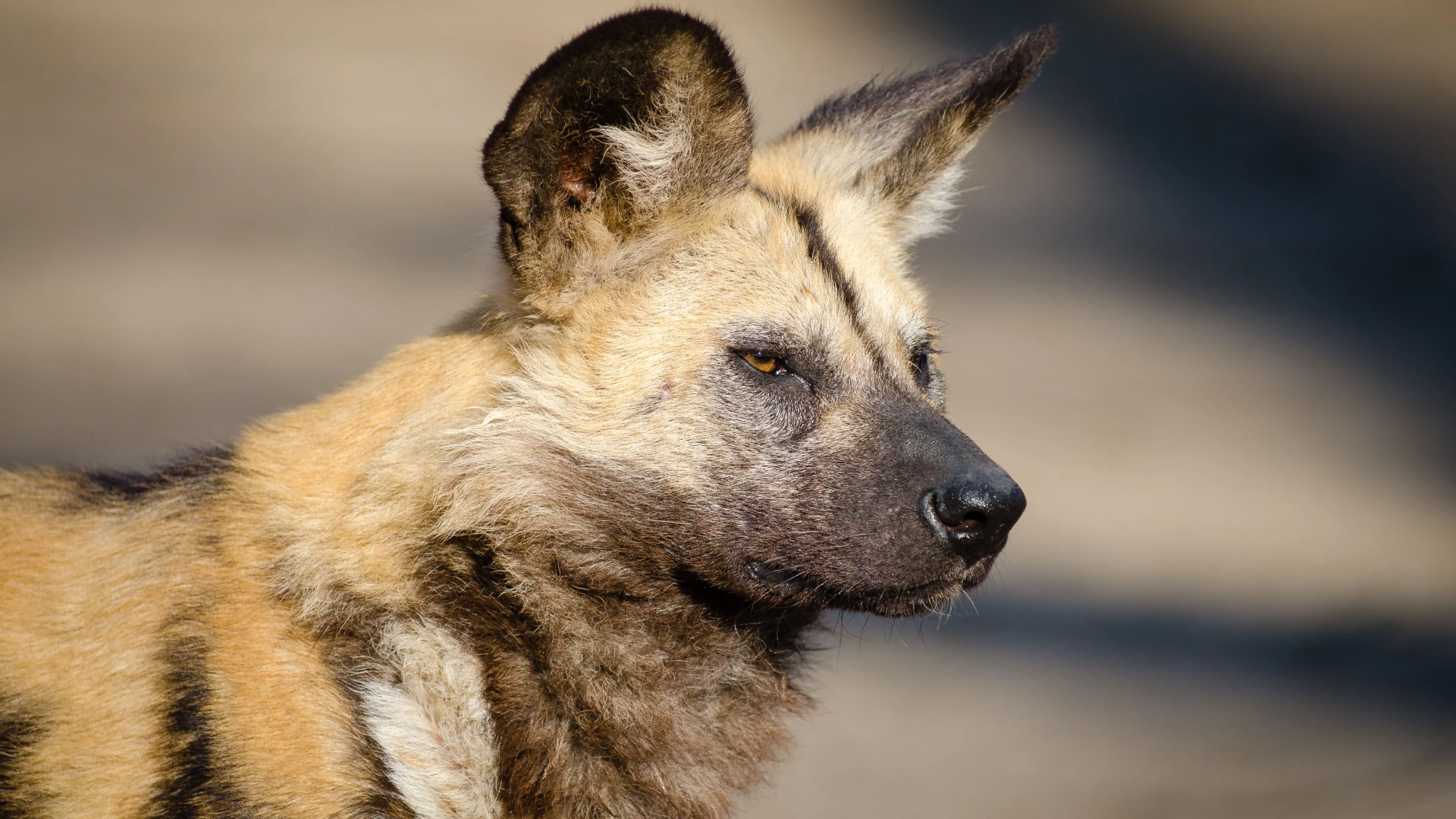 Southern Circuit
Ruaha National Park is the second largest national park in Tanzania, known for its vast and diverse landscapes.
Explore this Park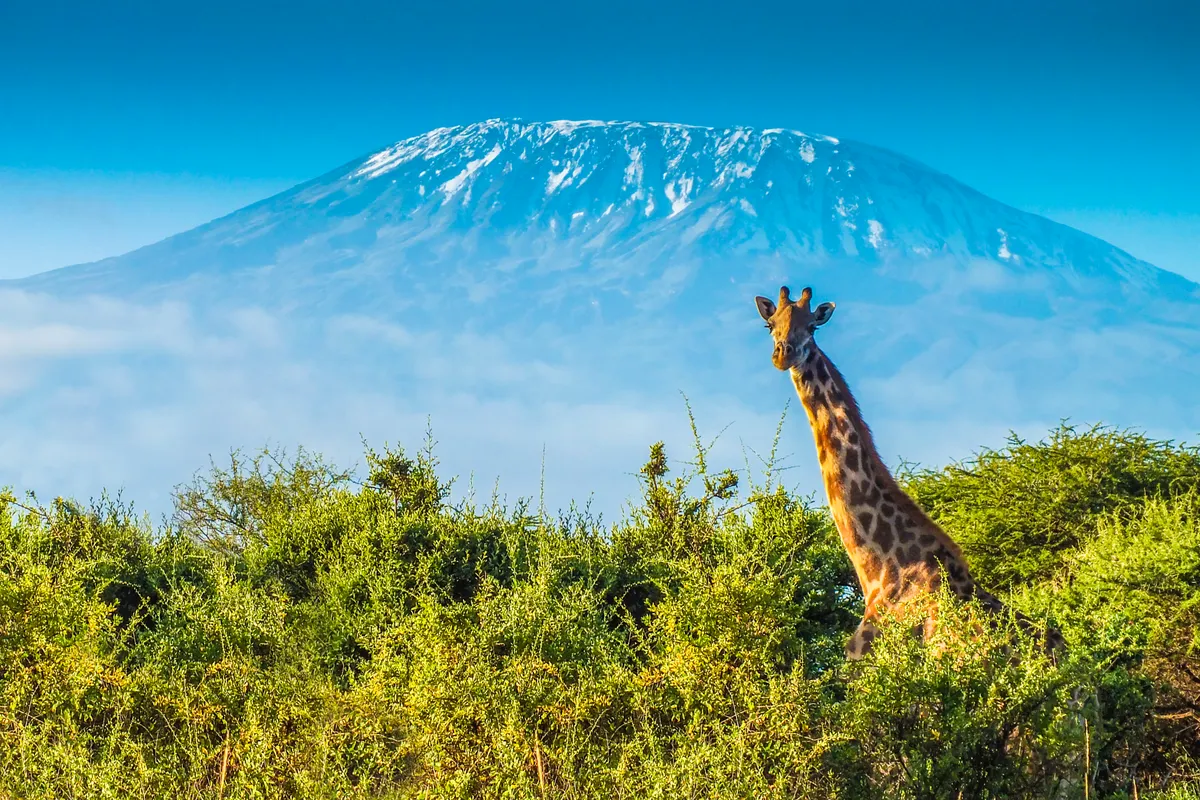 Northern Circuit
Is best known for non-technical high-altitude trekking and multi-day summit ascents to Uhuru Peak
Explore this Park